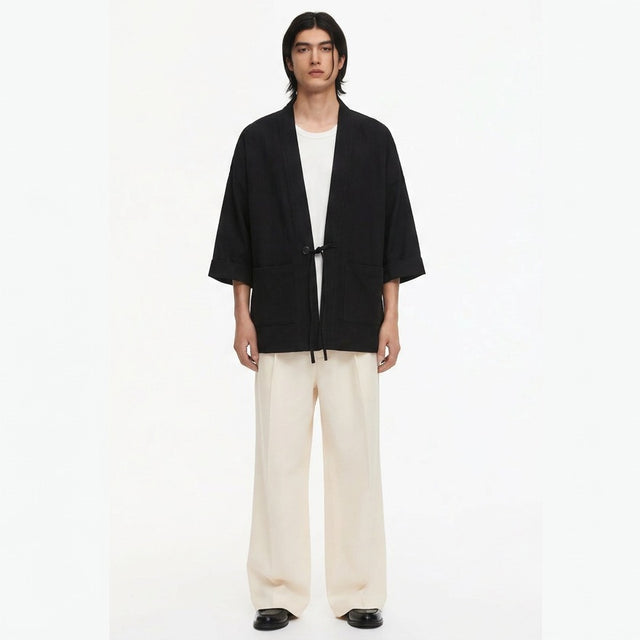
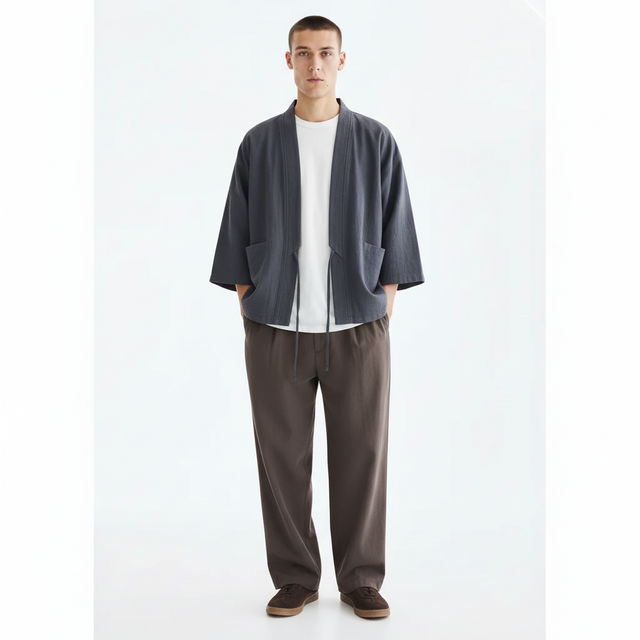
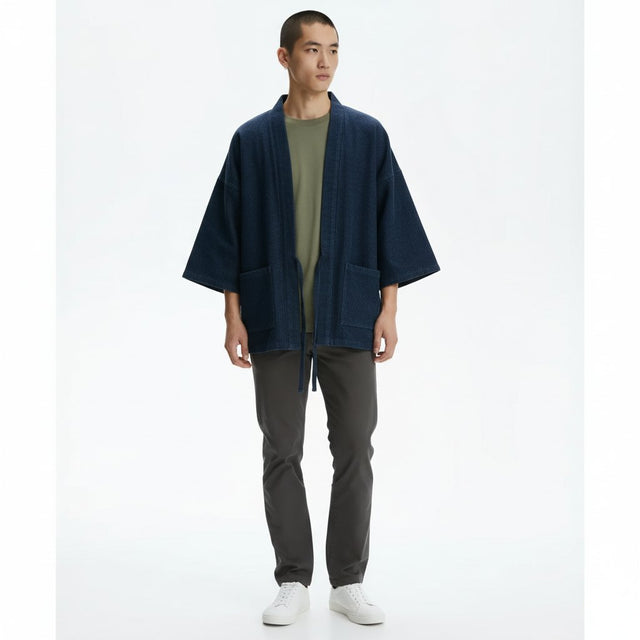
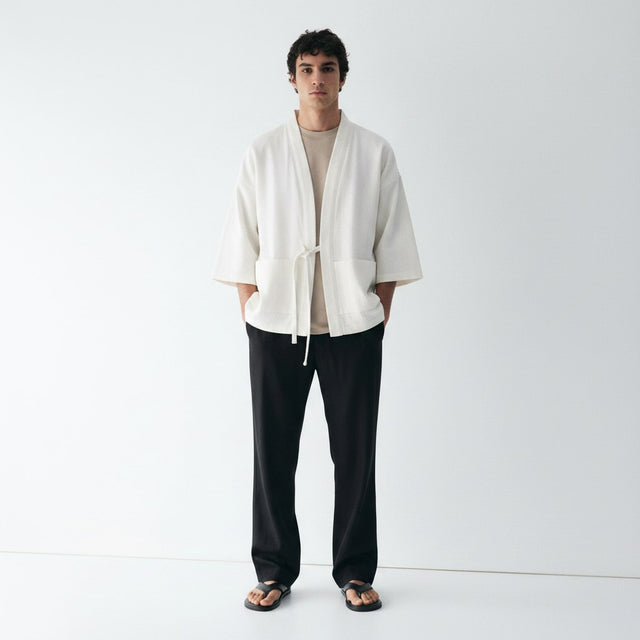
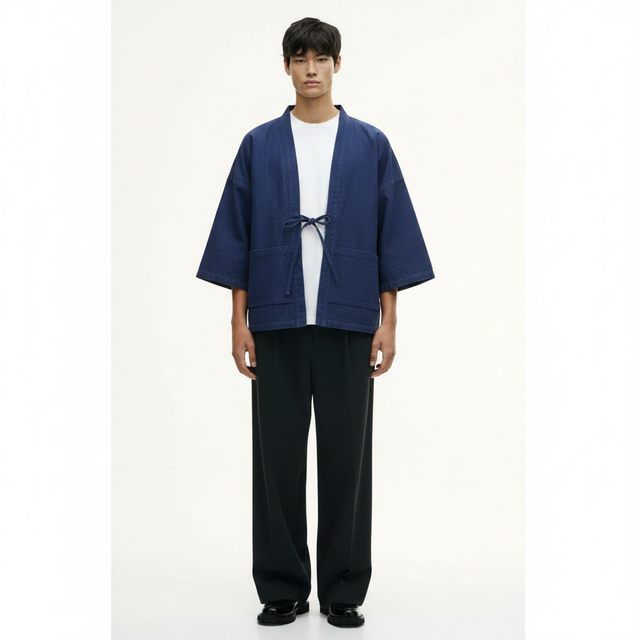
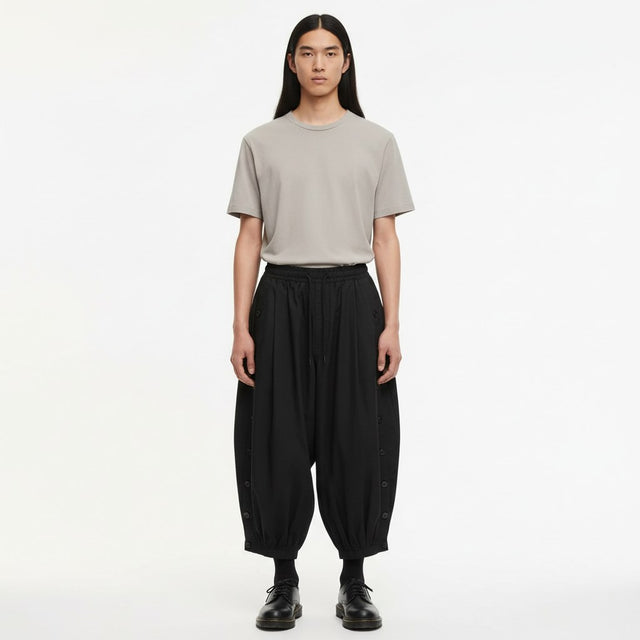
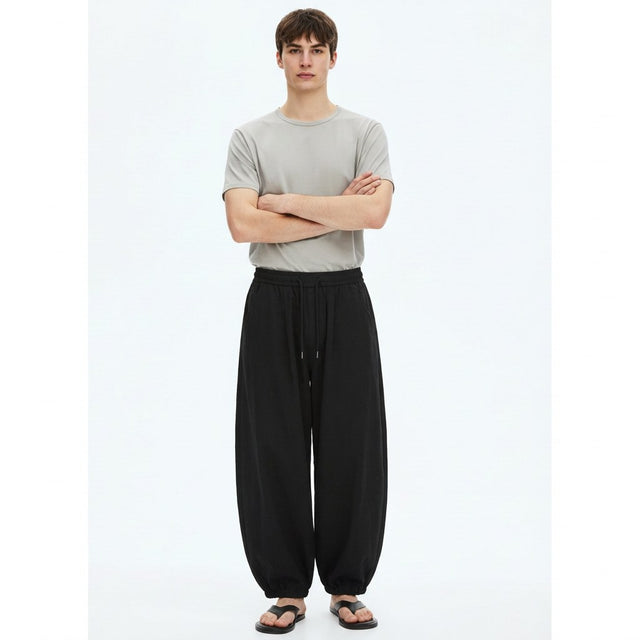
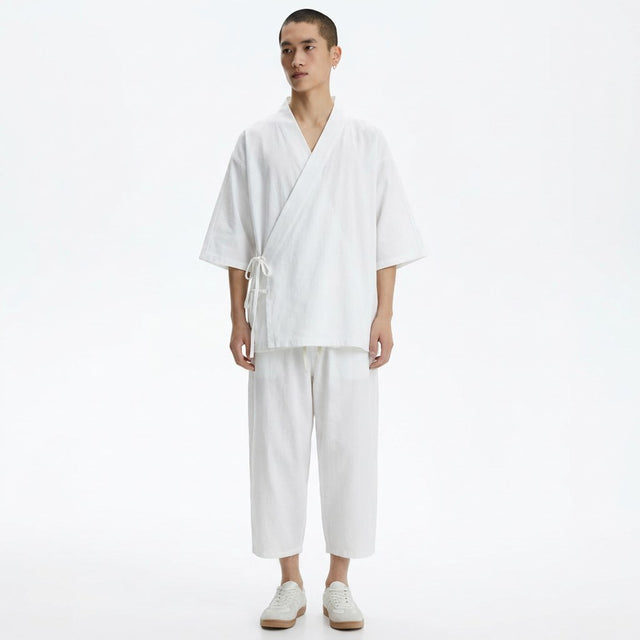
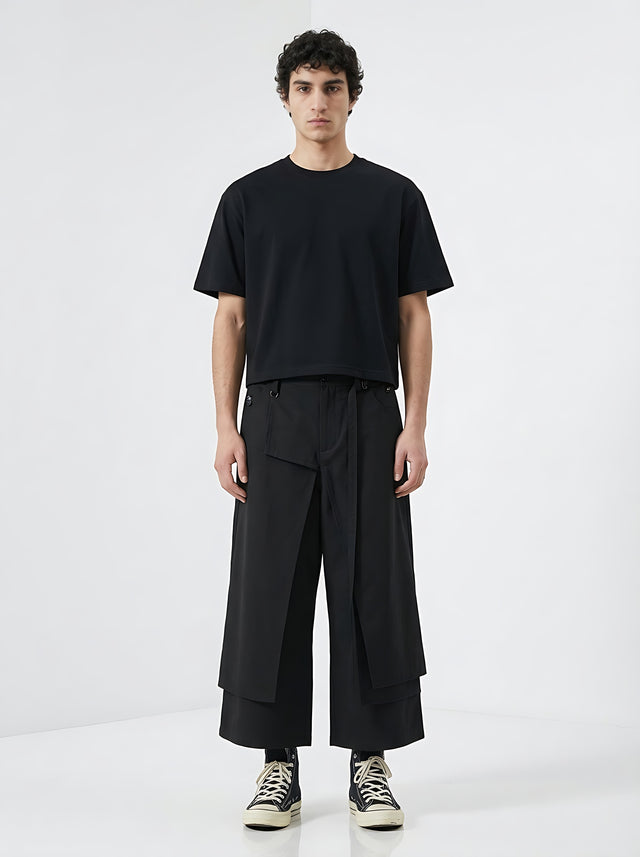
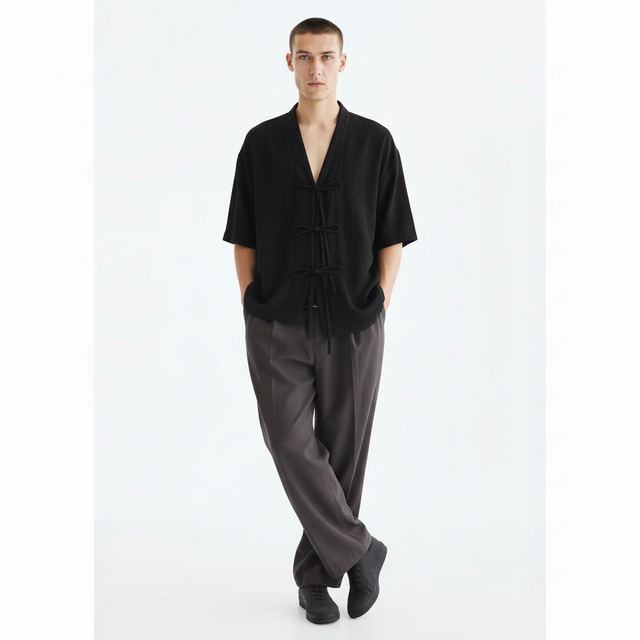
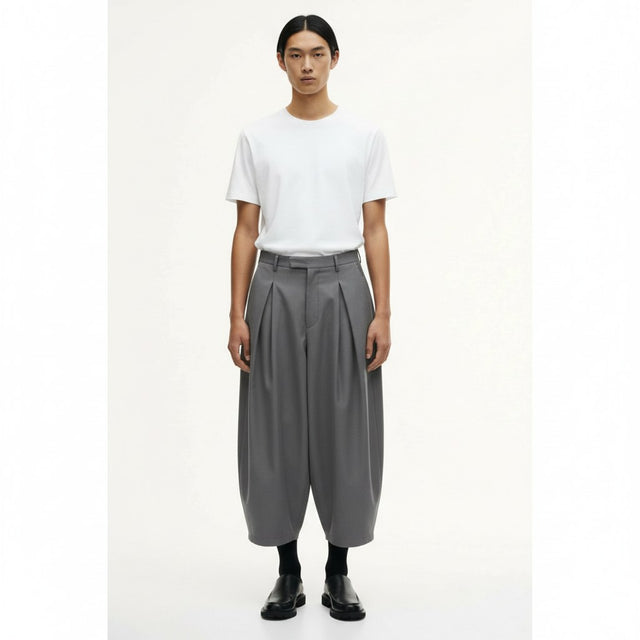
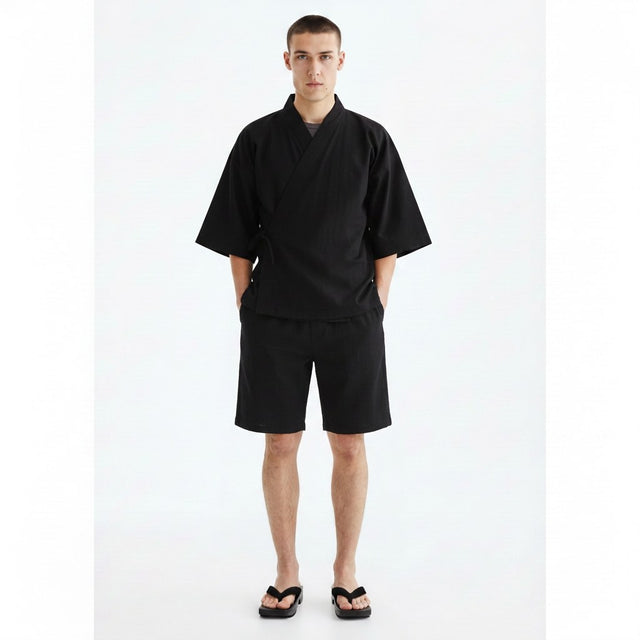
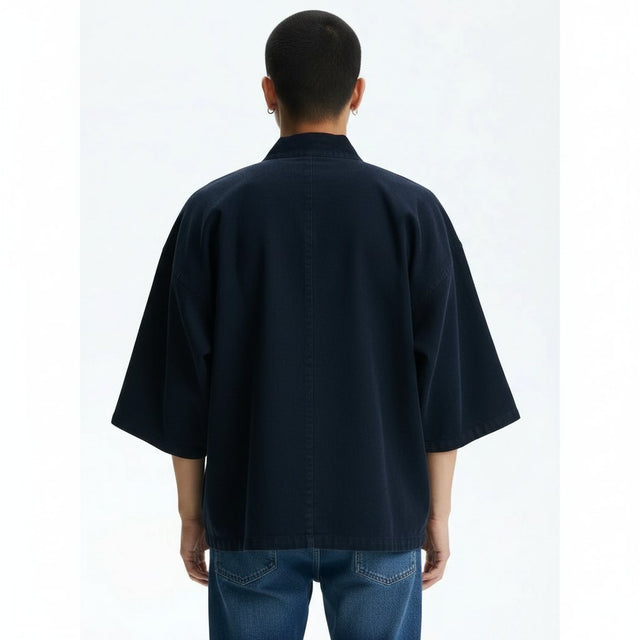
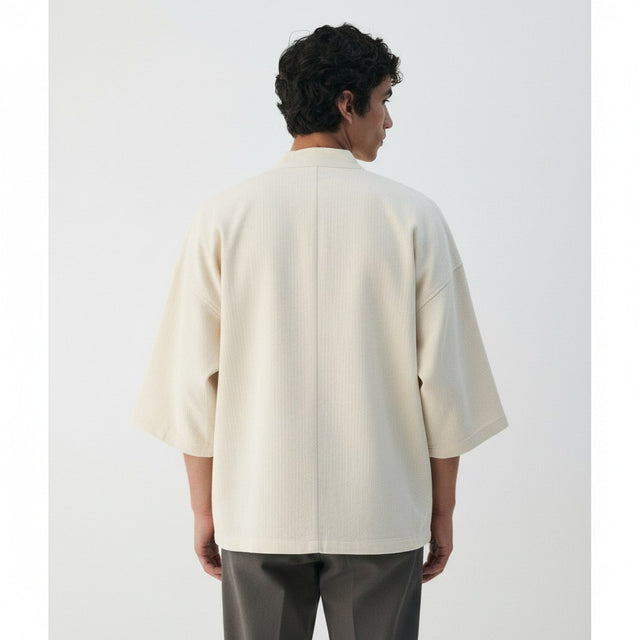
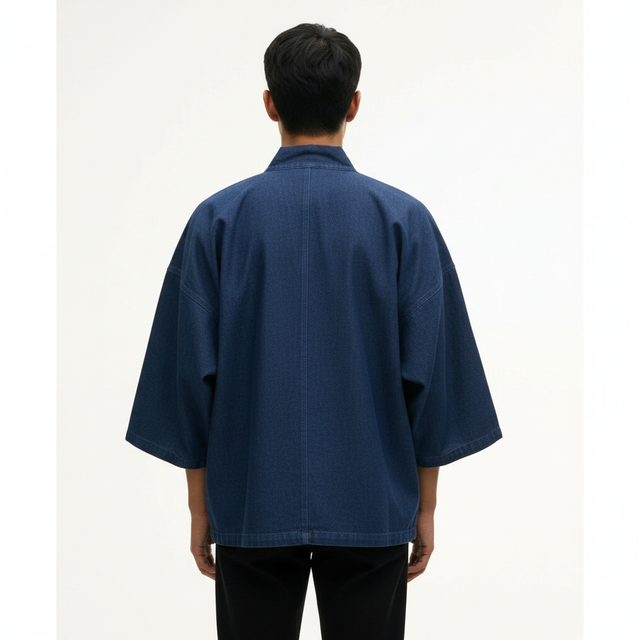
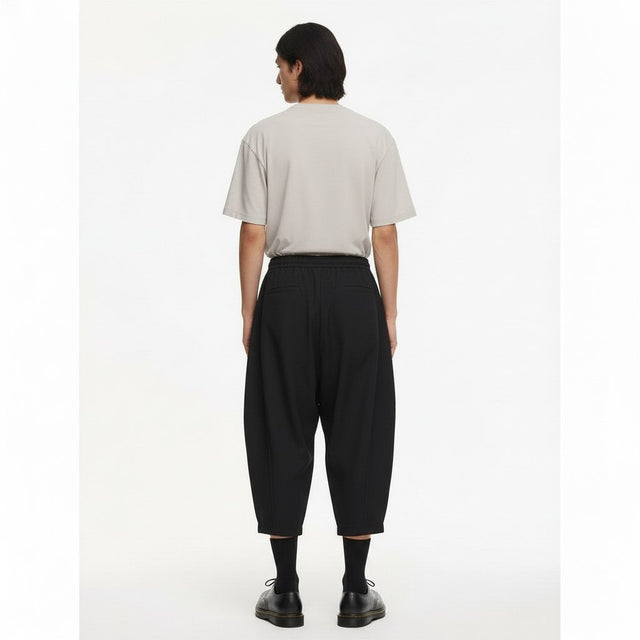
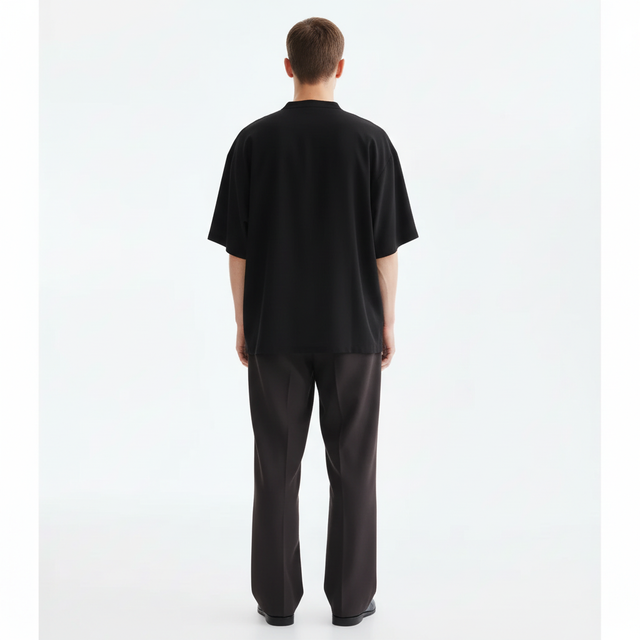
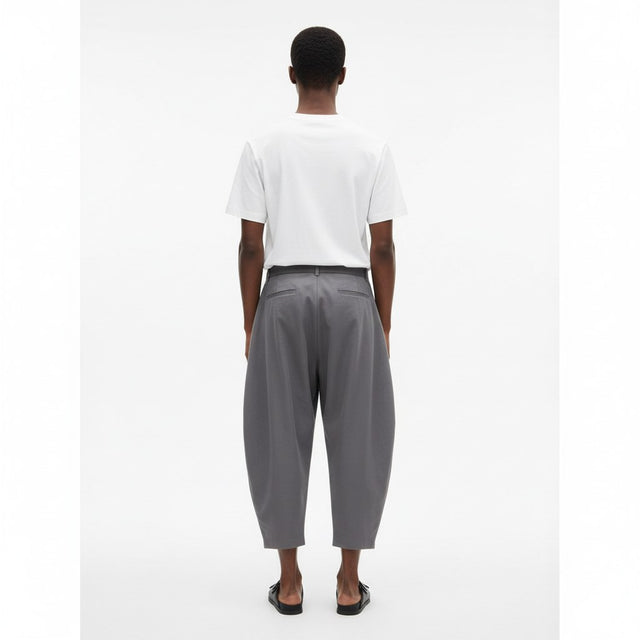
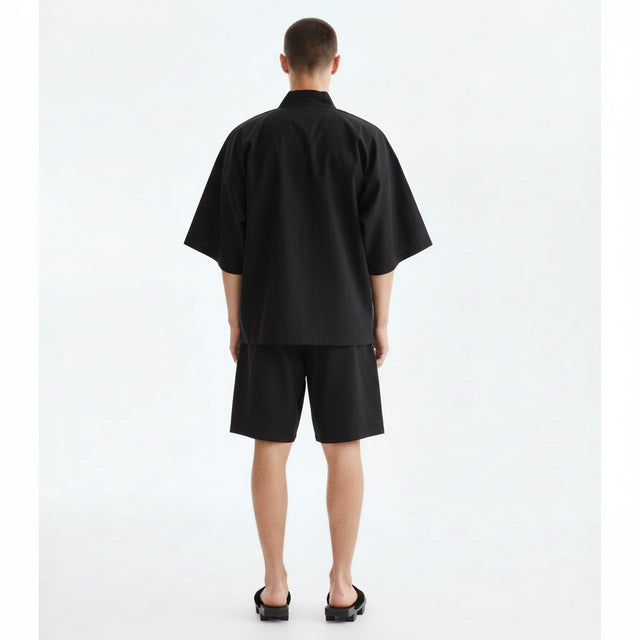
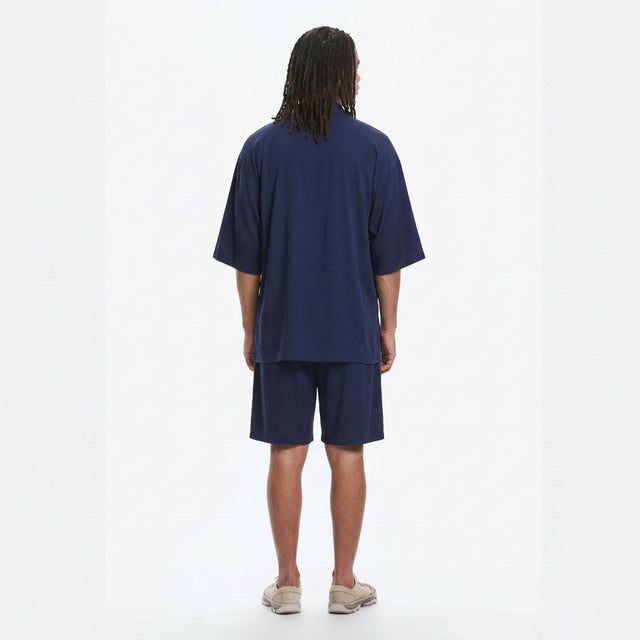
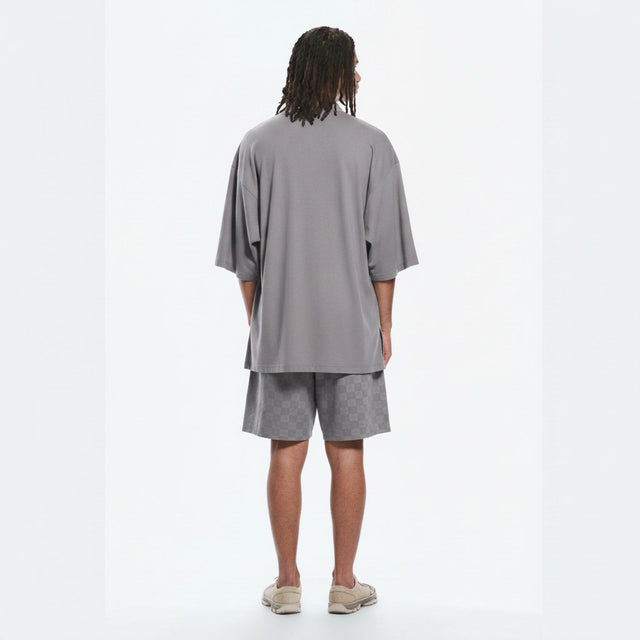
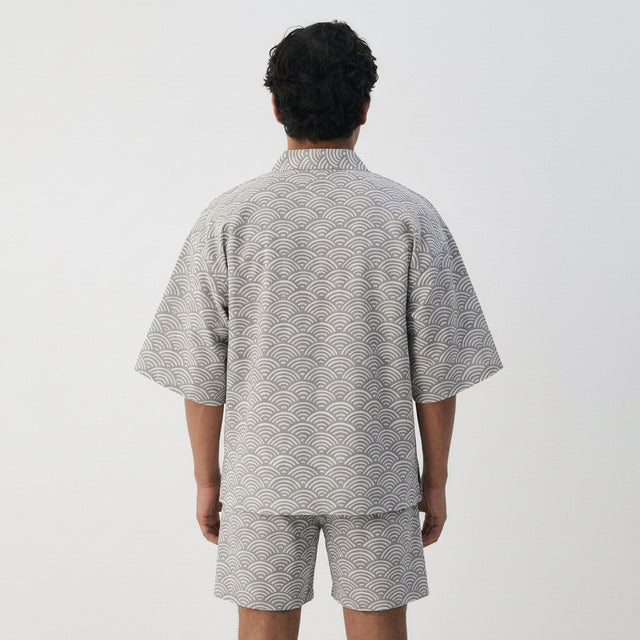
Japanese workwear for men: the noragi jacket, tobi and monpe trousers, samue and jinbei sets, a padded hanten and split-toe tabi socks. Twenty-two pieces, most XS to XXL.
Japanese workwear is what farmers, carpenters and scaffolders wore for a day of physical work. It is cut loose from straight panels and it ties shut. Nothing pulls when you bend.
Every piece here comes from that line. Some still are.
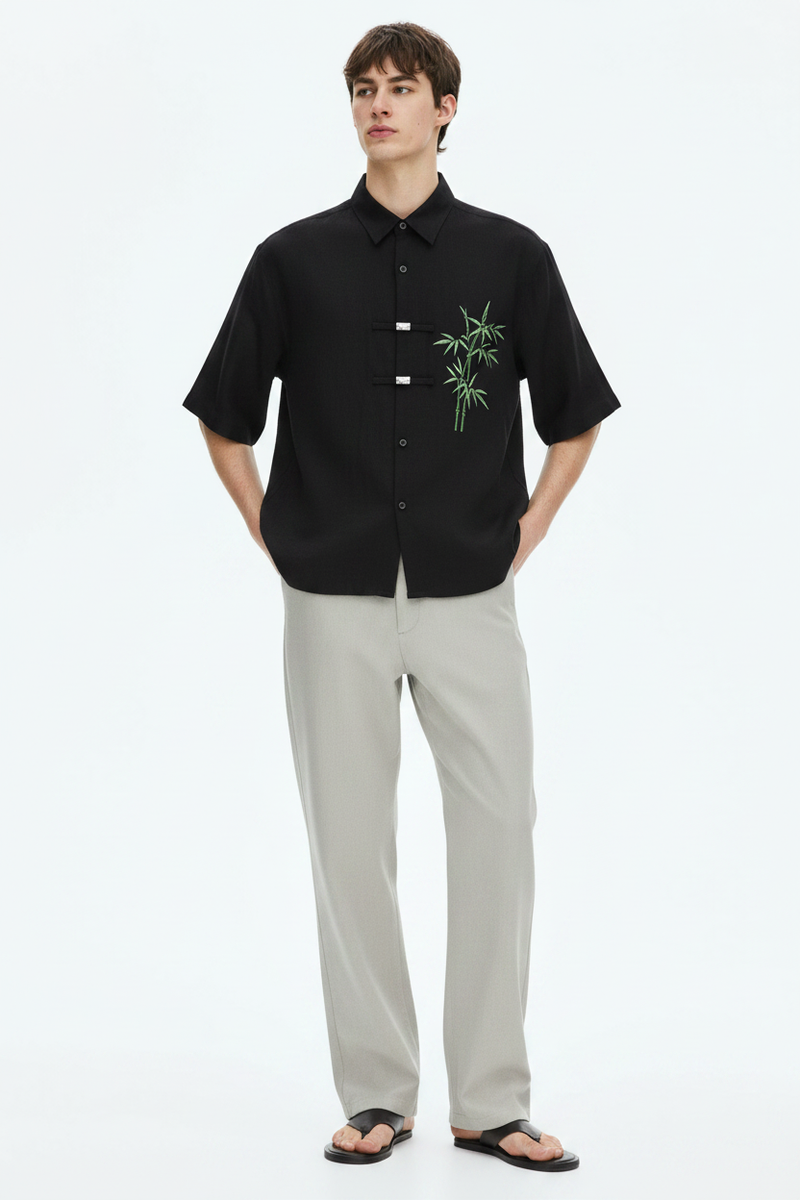
Jackets and sets
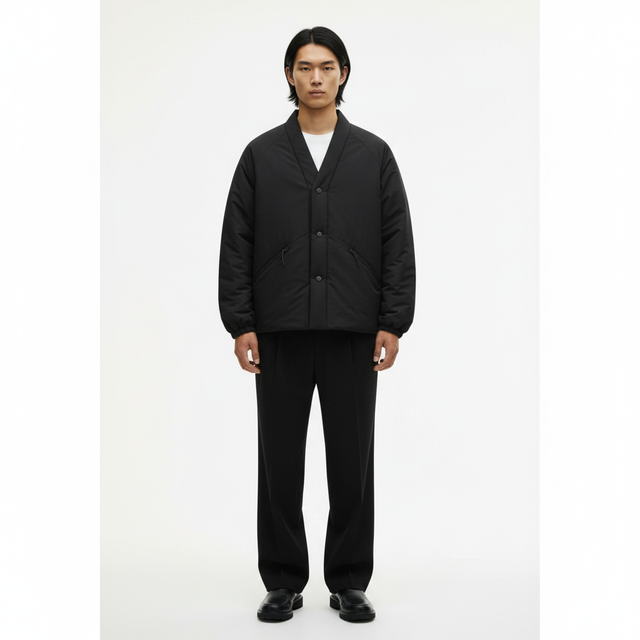
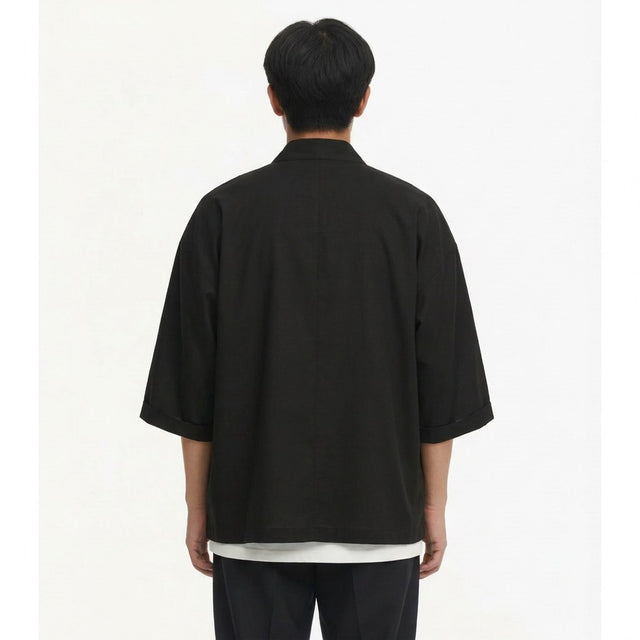
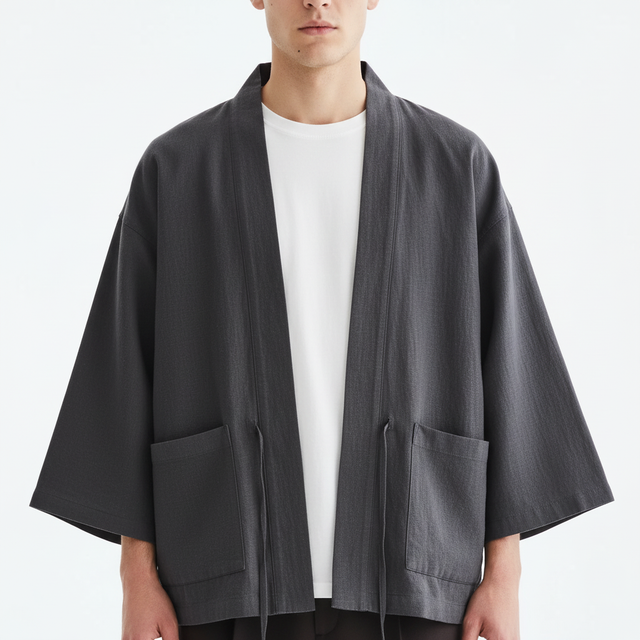
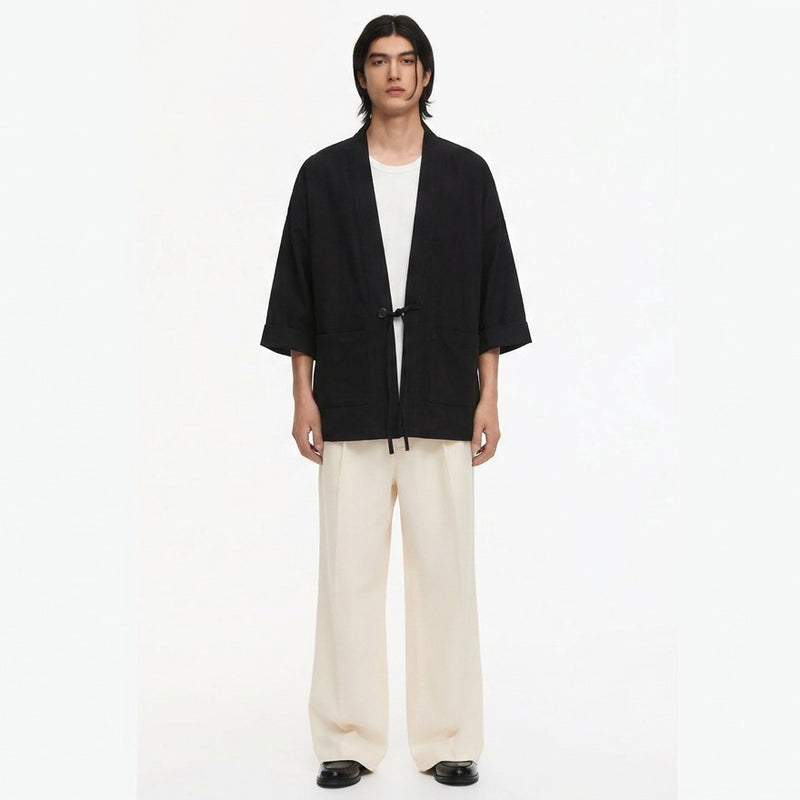
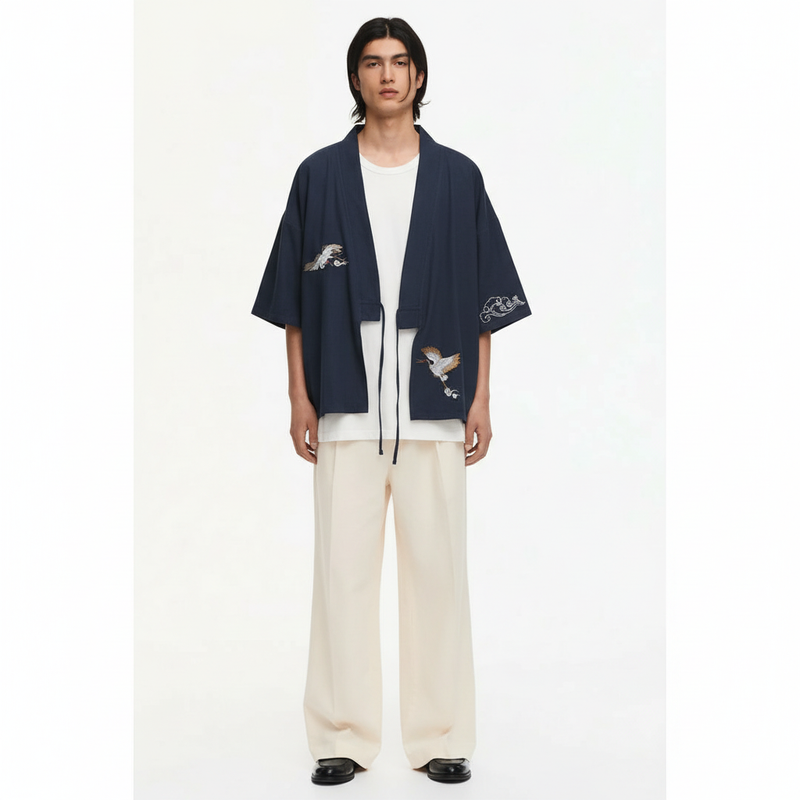
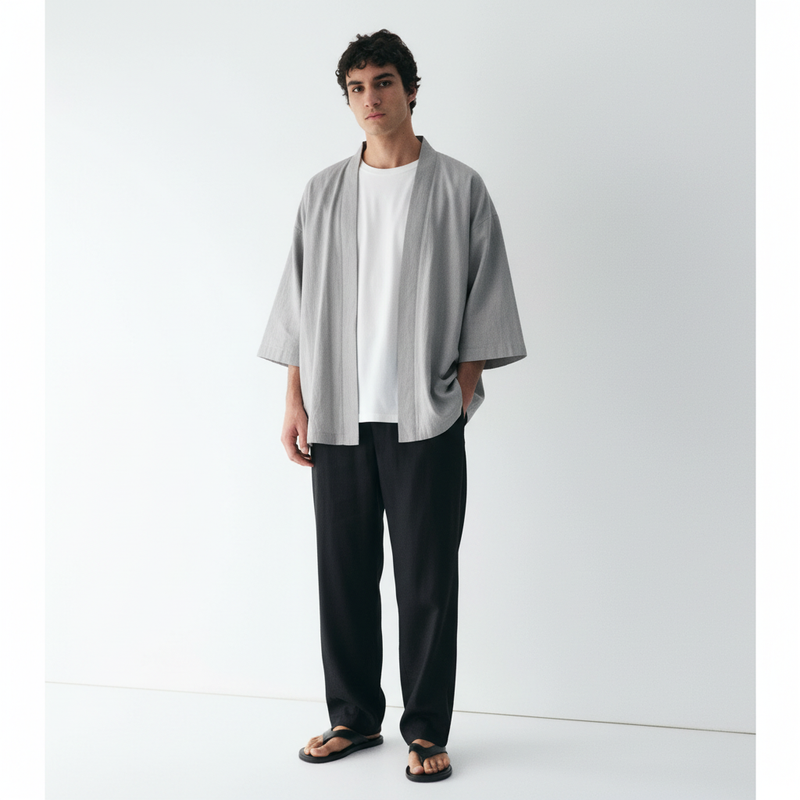
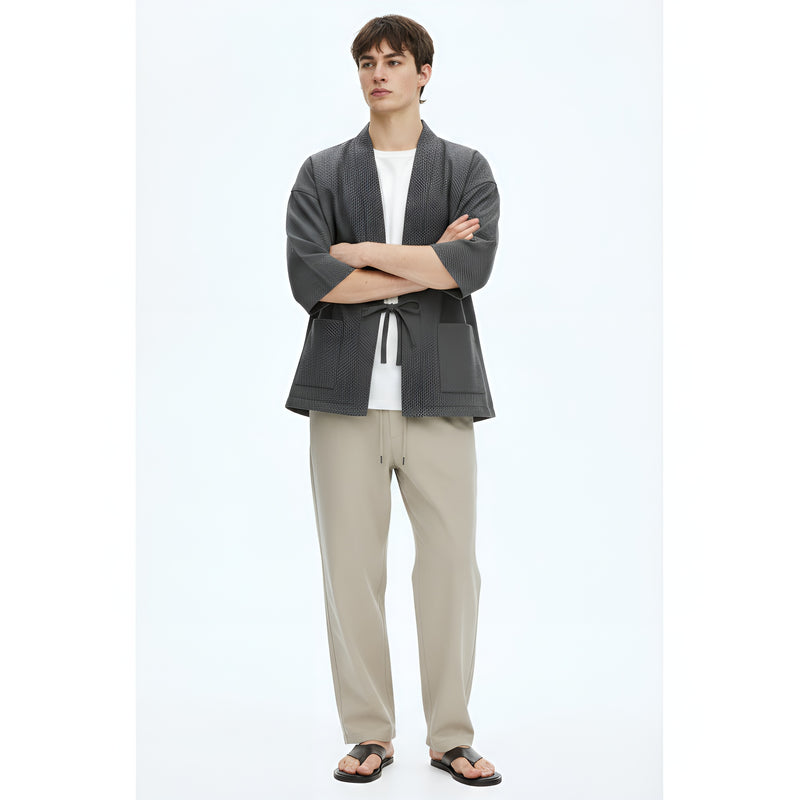
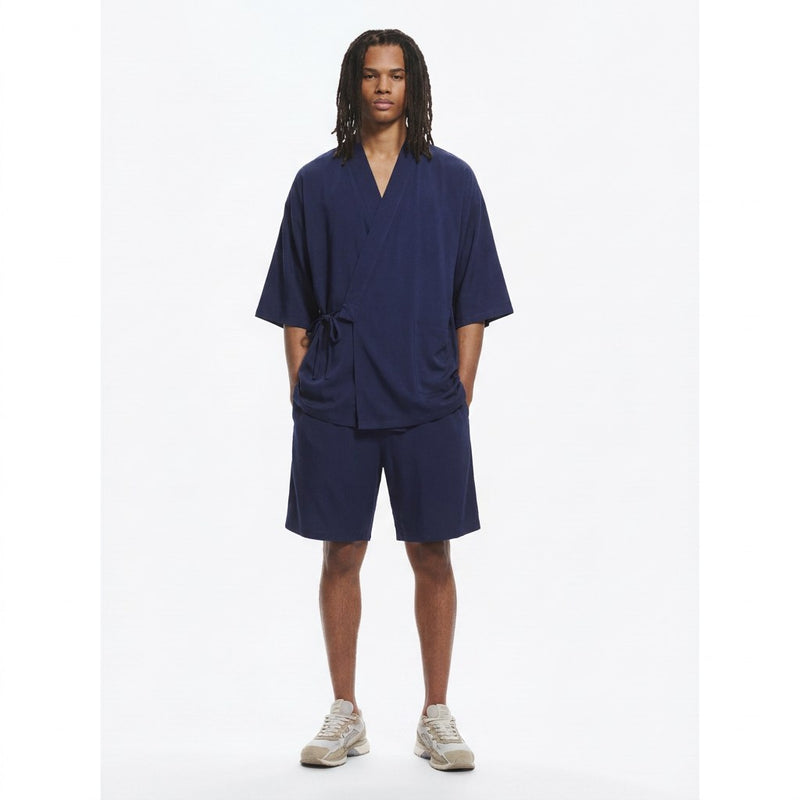
The jacket is the noragi, the coat Japanese farmers wore in the rice fields, which crosses over the chest and ties at the side so nothing flaps while you work. Five are here, in cotton, cotton linen, reversible denim, herringbone and indigo-dyed cotton.
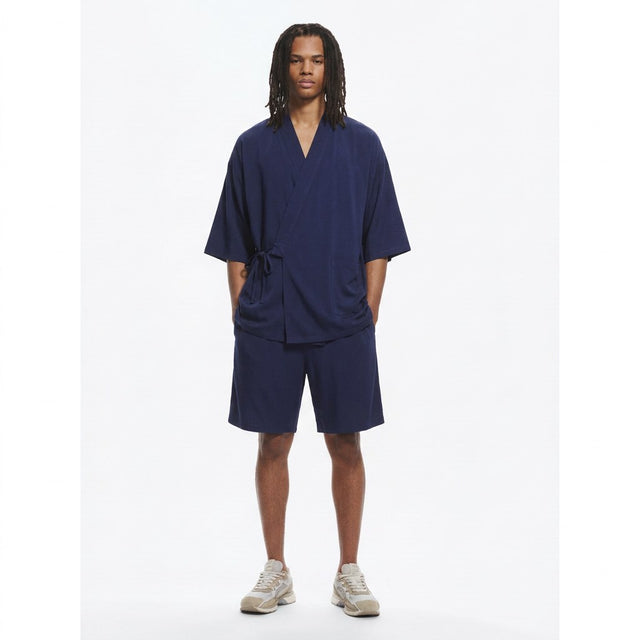
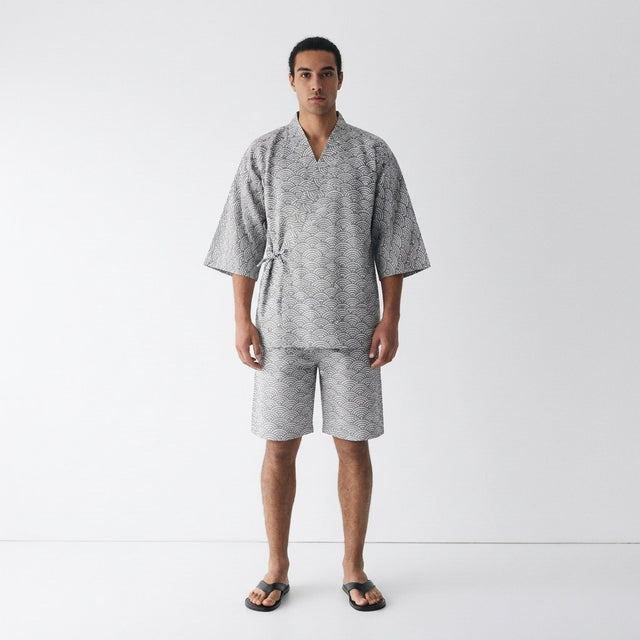
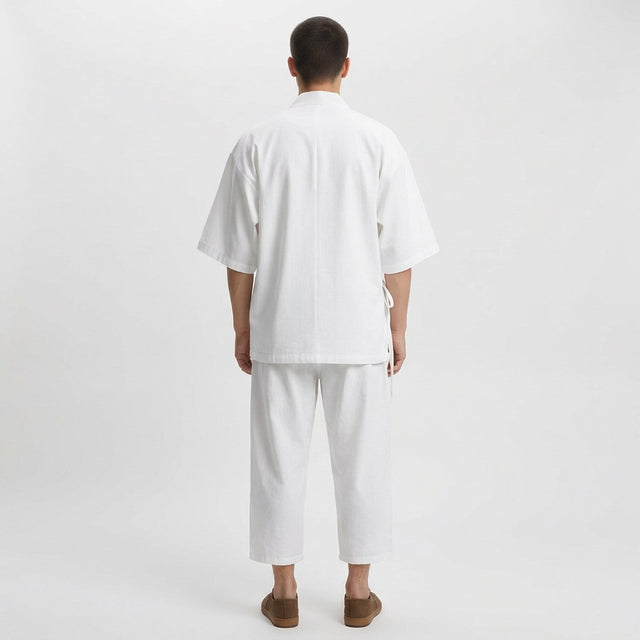
A samue is the two-piece set temple monks and craftsmen worked in: a wrap top and drawstring trousers. The cross-tie samue is 95% cotton in XS to XXL. The wrap-front samue is one size in 80% polyester and 20% cotton.
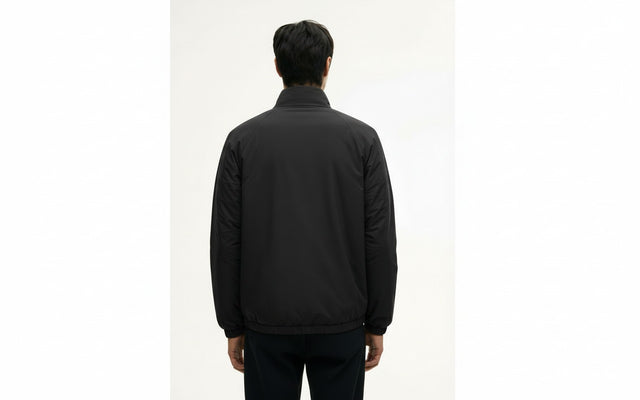
The jinbei is the summer version, short sleeved and tied at the front. For cold mornings, the padded hanten has a polyester ripstop shell over cotton padding.
Tobi, monpe and the rest of the trousers
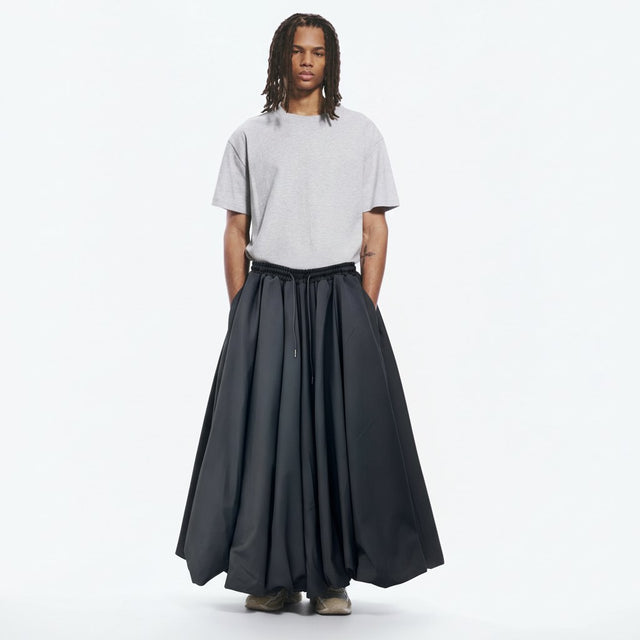
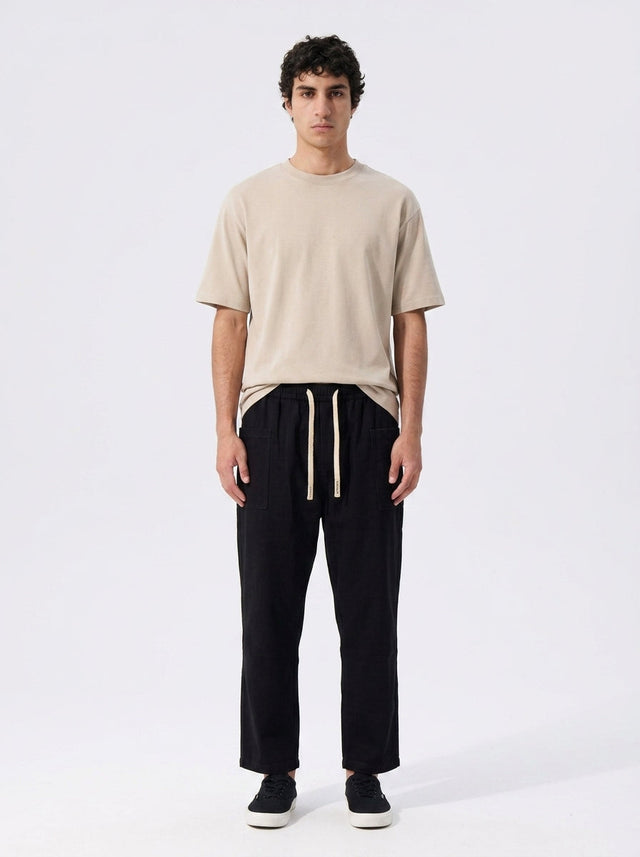
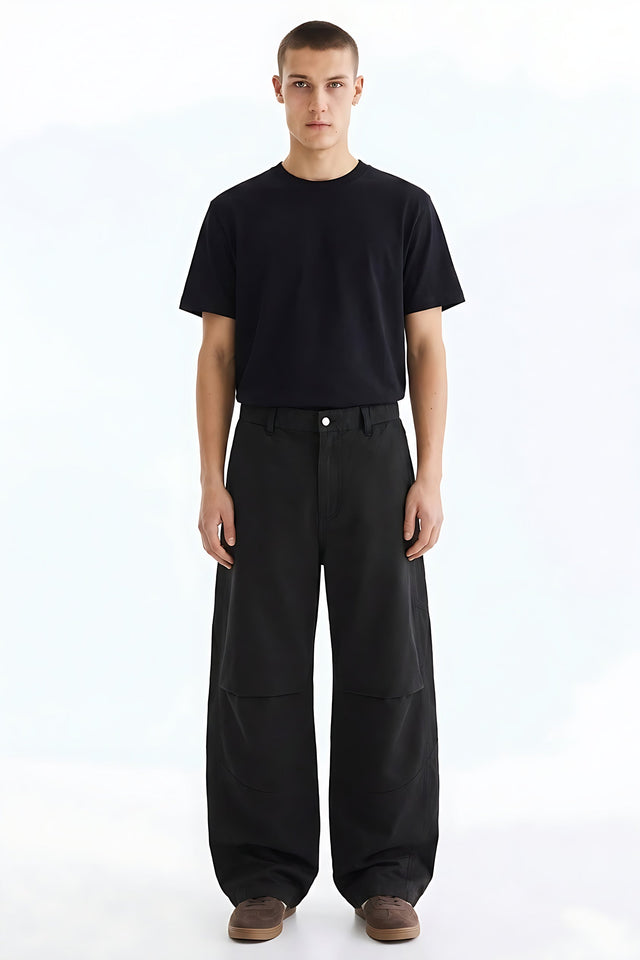
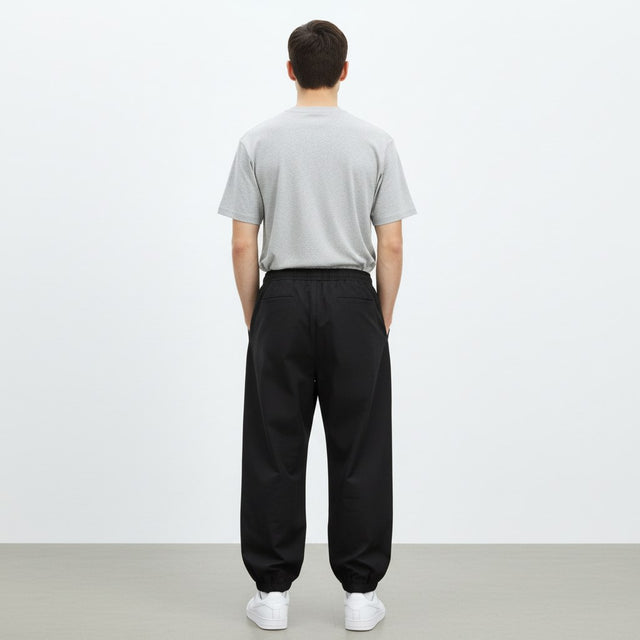
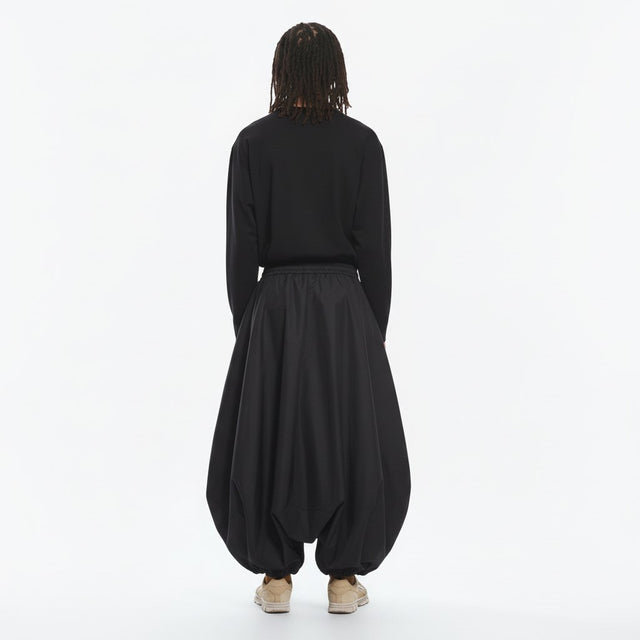
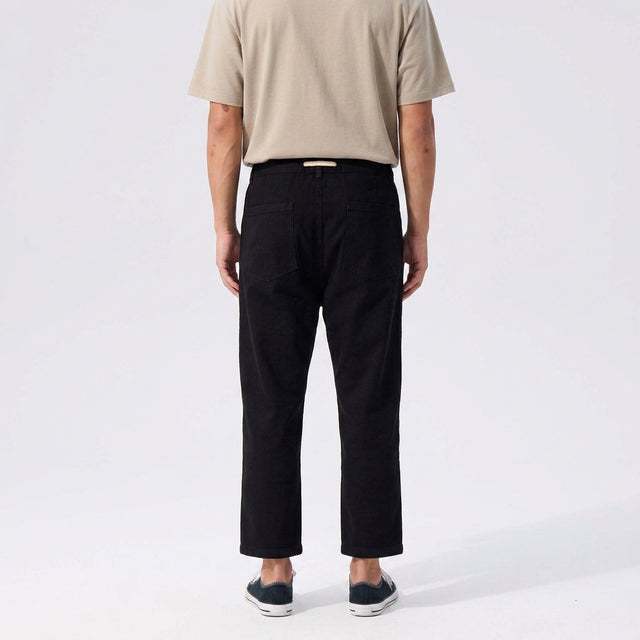
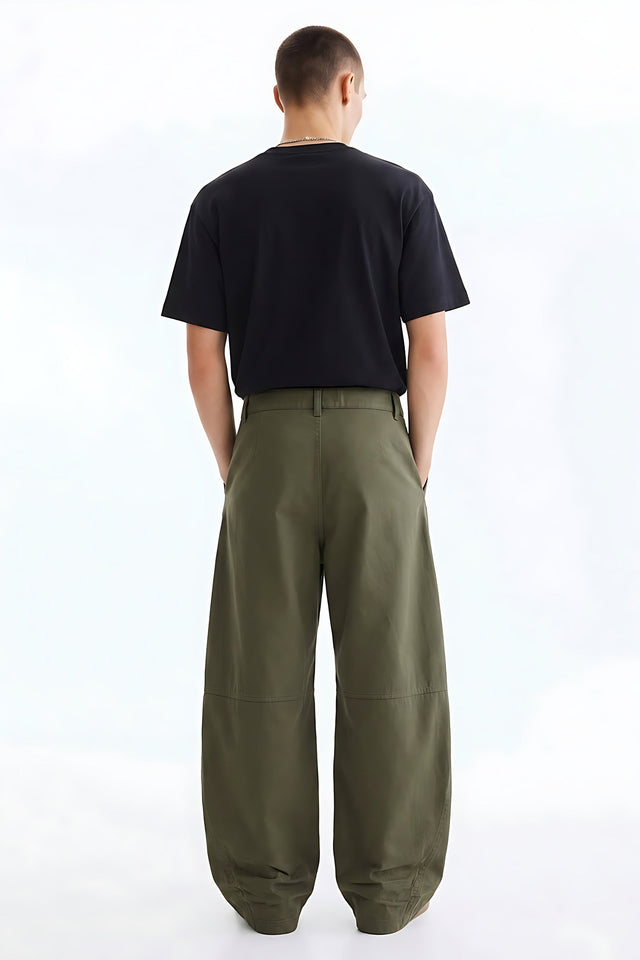
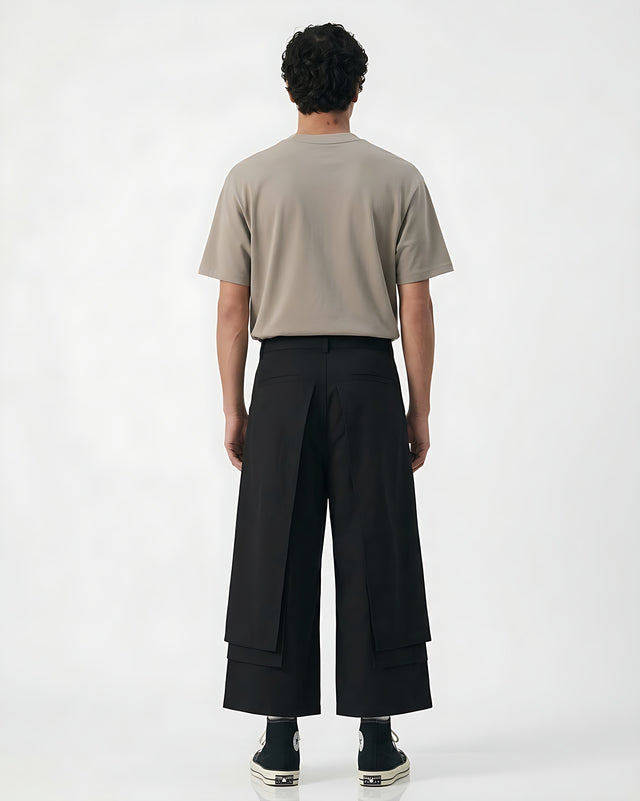
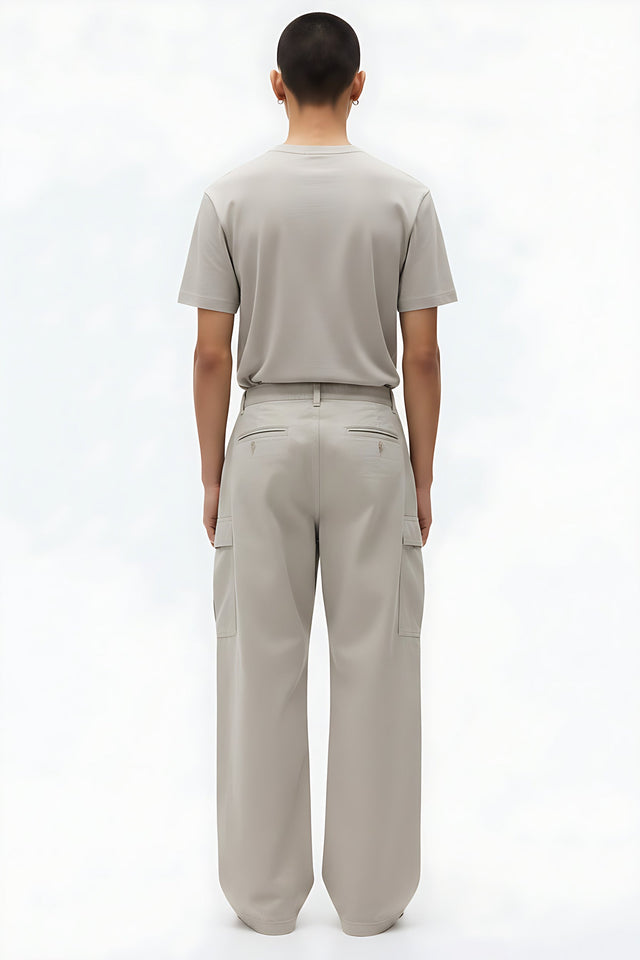
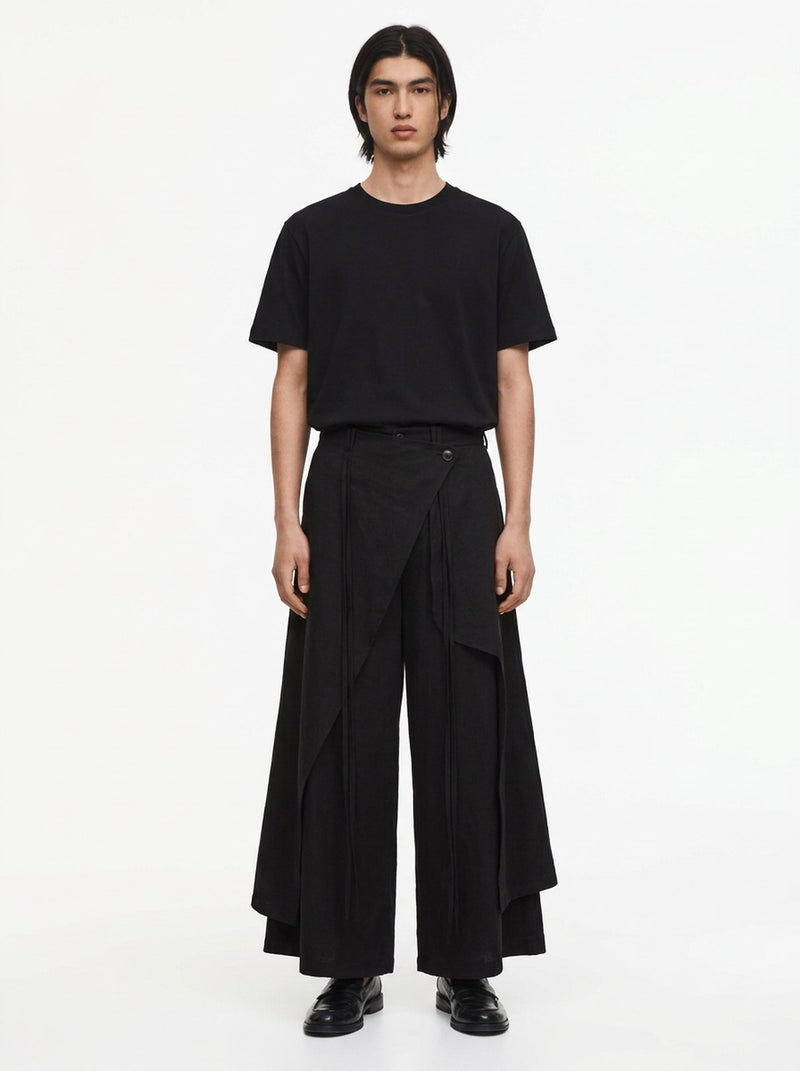
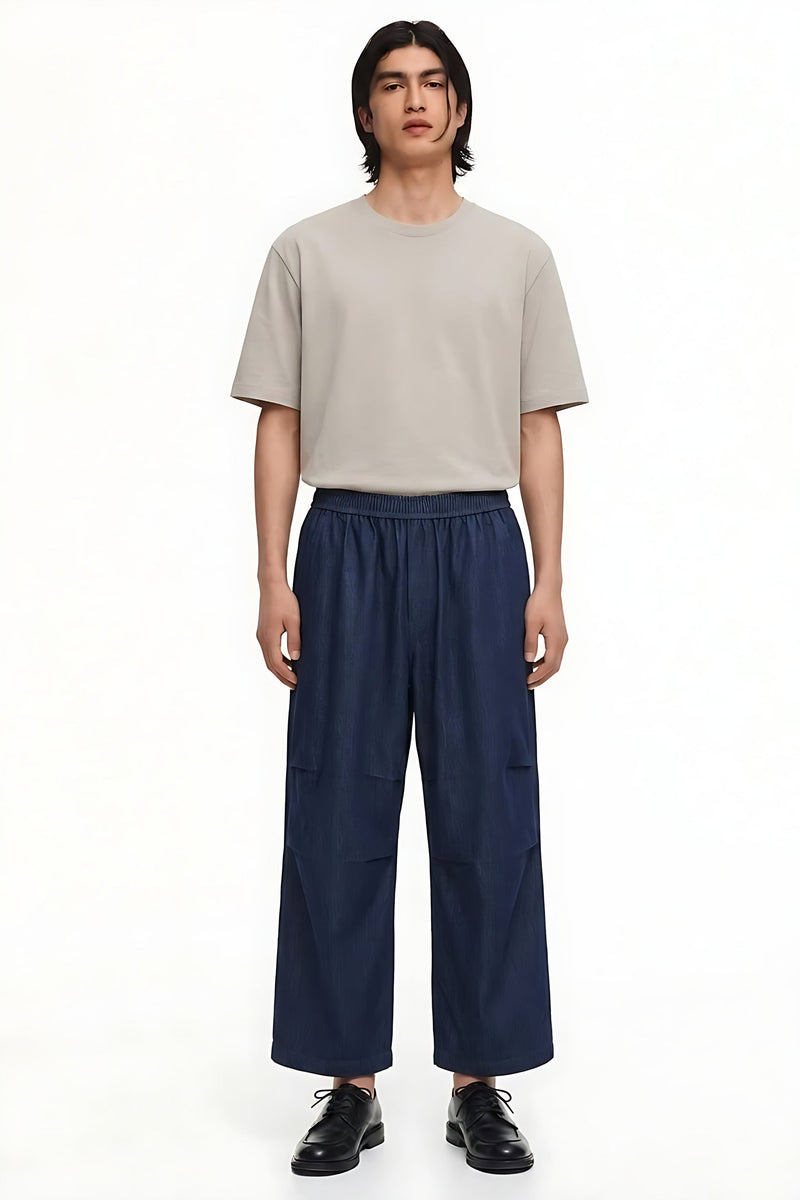
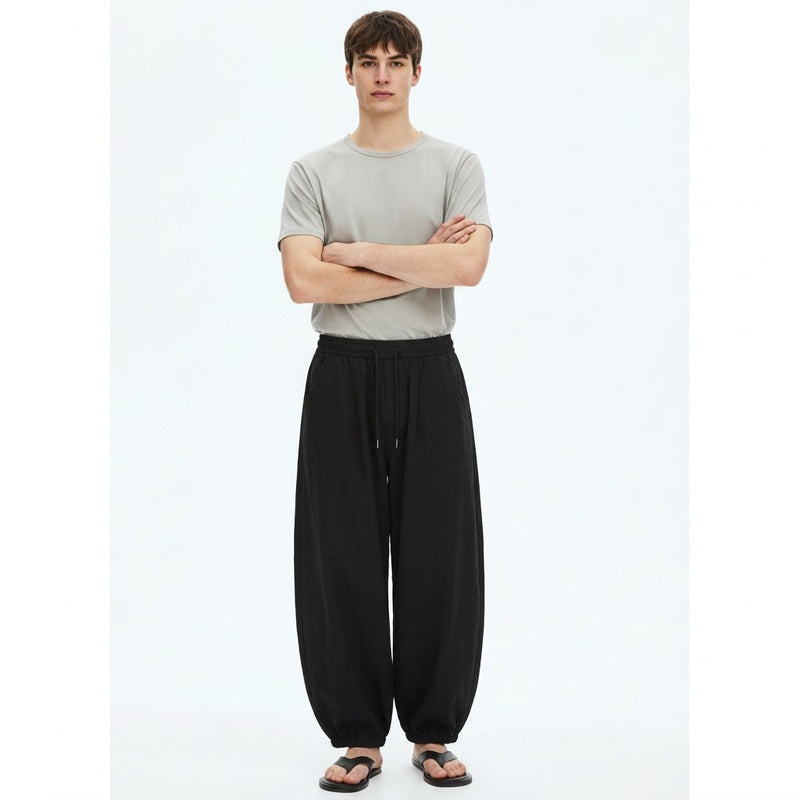
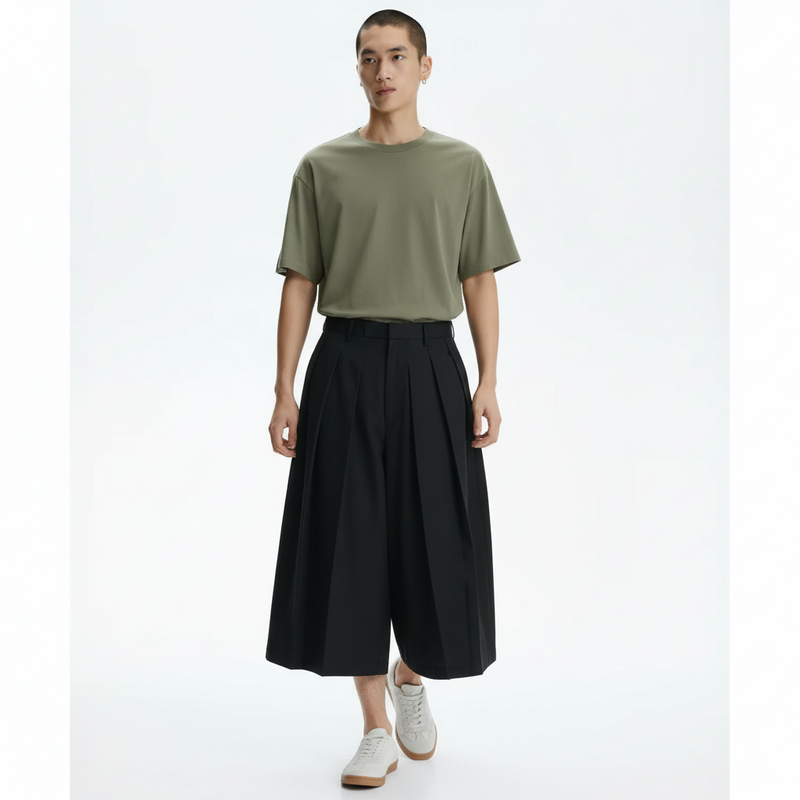
The Japanese work pants start with tobi trousers. Scaffolders on Japanese building sites wear the balloon leg so they can climb, crouch and step up onto a beam without the cloth ever pulling tight across the knee. Monpe are the farm cut, gathered at the ankle. The lantern work pants are 95% cotton. Kotona and Sekino are 100% cotton cropped cuts for every day.
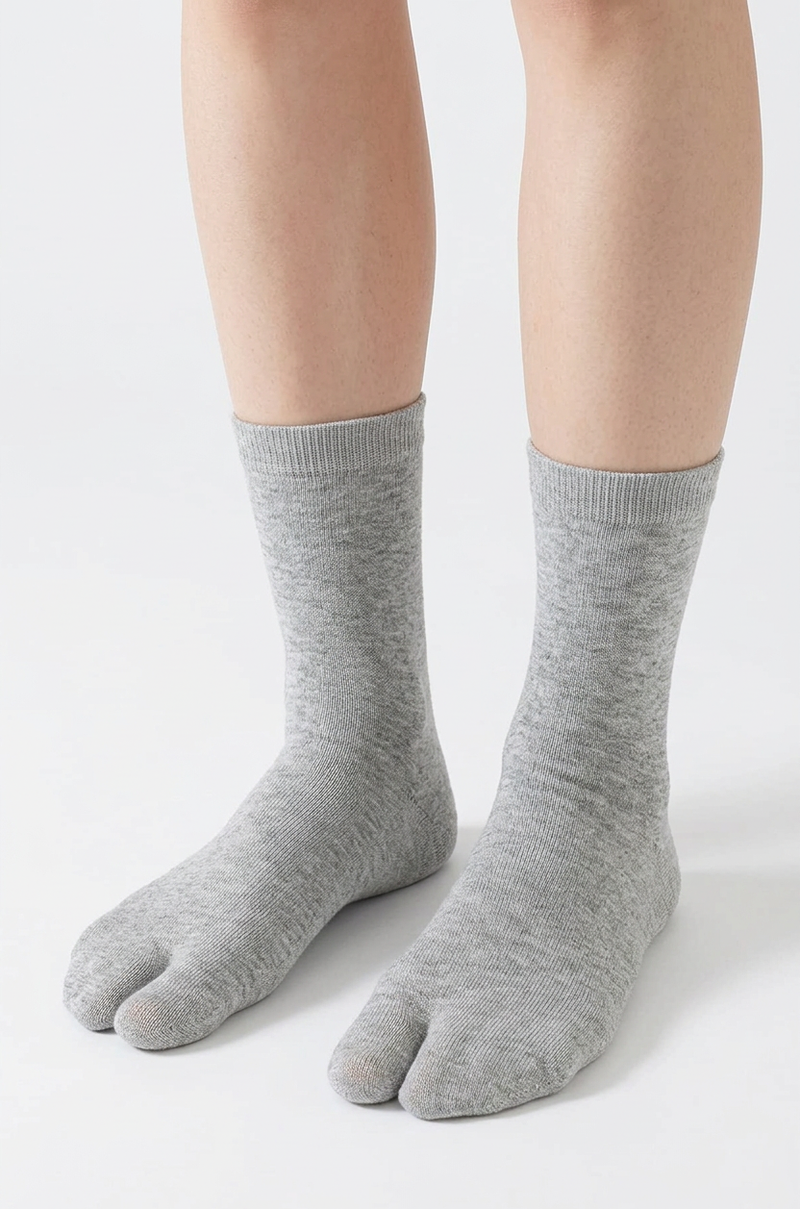
Finish with split-toe tabi socks, the cotton sock made for jika-tabi work boots.
Sizing and care
A few pieces are one size: the tobi trousers, the wrap-front samue and the tie-front jinbei. They fit by drawstring and wrap, so read the length in the size chart. Most of the rest run XS to XXL, and Kotona and Sekino reach 3XL. Wash cold and line dry. Wash indigo pieces alone at first.
For the formal side of the same wardrobe, see hakama pants.
Frequently asked questions
What is Japanese workwear?
The traditional clothes of manual work in Japan: the noragi jacket, tobi and monpe trousers, samue sets and tabi. Loose, cut from straight panels, and tied shut instead of buttoned.
What do Japanese construction workers wear?
Tobi trousers, with a wide balloon leg that narrows at the ankle, and jika-tabi split-toe boots. Tobi is the Japanese word for a scaffolder.
What is the difference between a samue and a jinbei?
A samue has long sleeves and full trousers and is worn for work all year. A jinbei has short sleeves and is made for summer.
Is Japanese workwear one size?
Some of it is. The tobi trousers, the wrap-front samue and the tie-front jinbei are one size. Most other pieces run XS to XXL, and two trousers reach 3XL.
How do I care for Japanese workwear?
Cold, then line dry. Wash the indigo-dyed noragi on its own for the first few washes, because indigo gives up colour early.
Questions? We're here.
Pick how you'd like to talk to us.
Chat with us right here on the site. We typically reply within a few minutes during business hours.
Prefer WhatsApp? Message us at +1 249 546 9465. It opens in a new tab.


















 Best seller
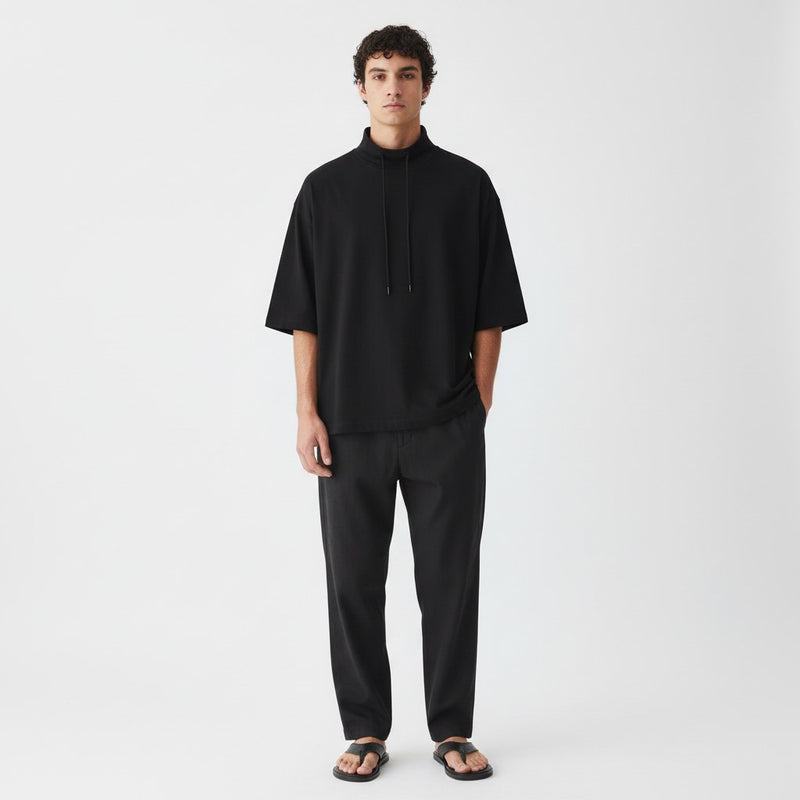
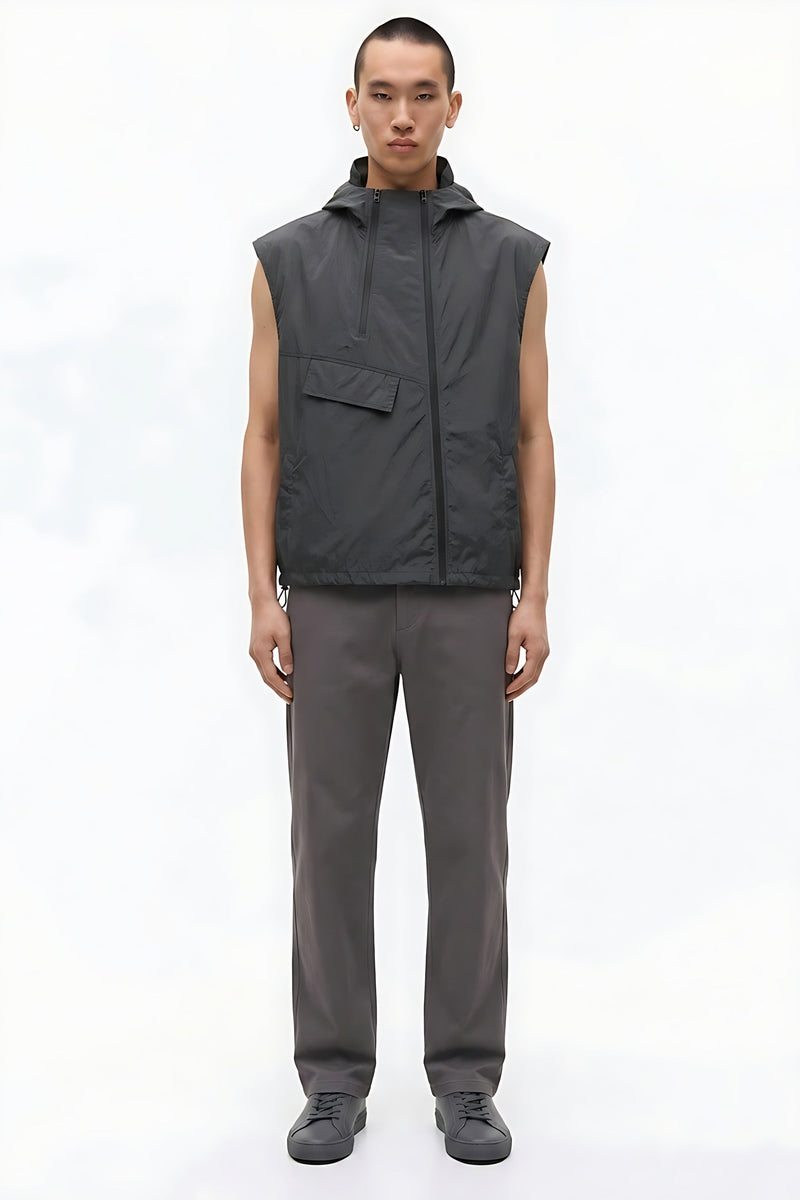
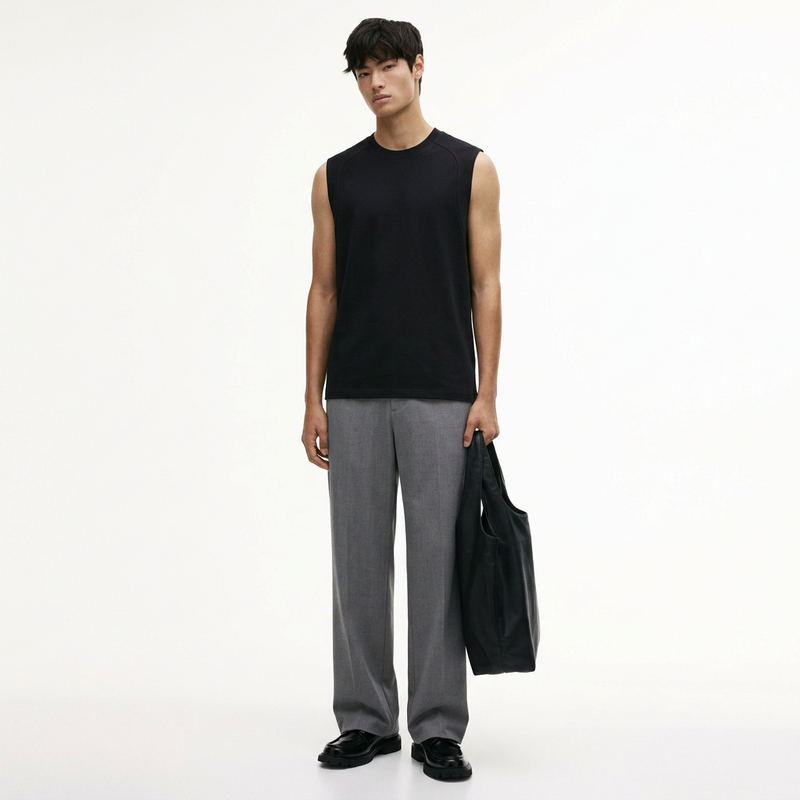
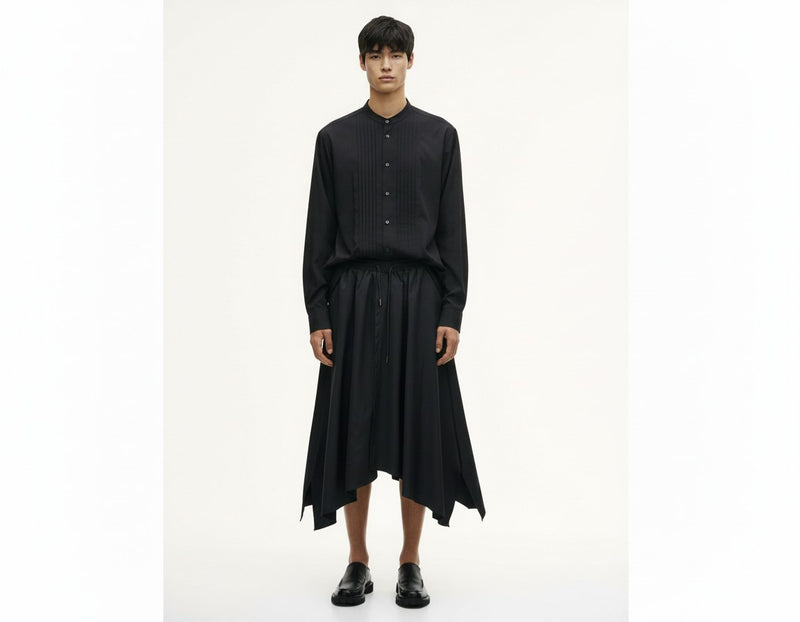
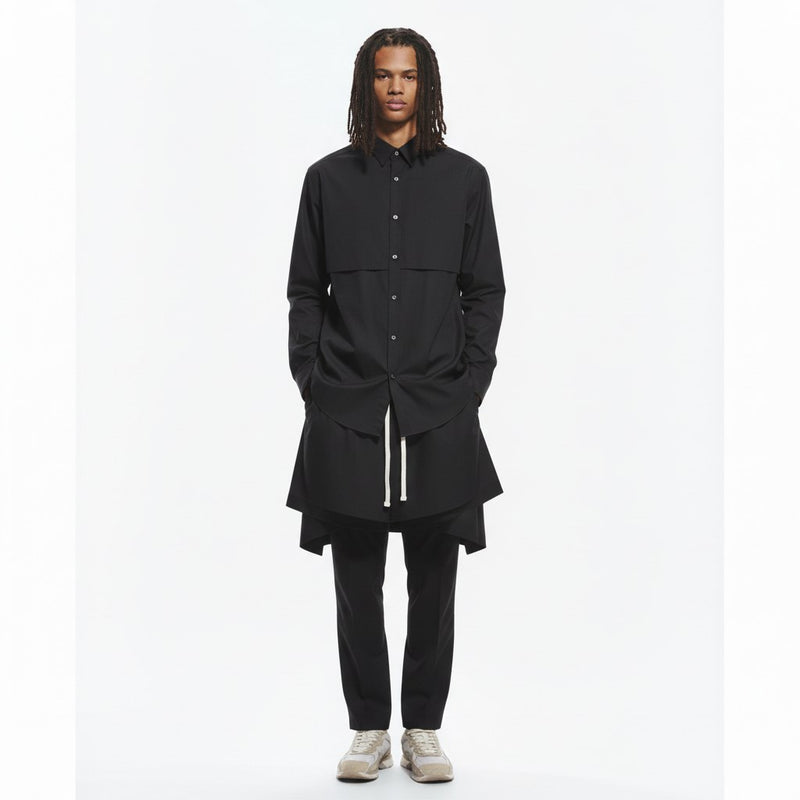
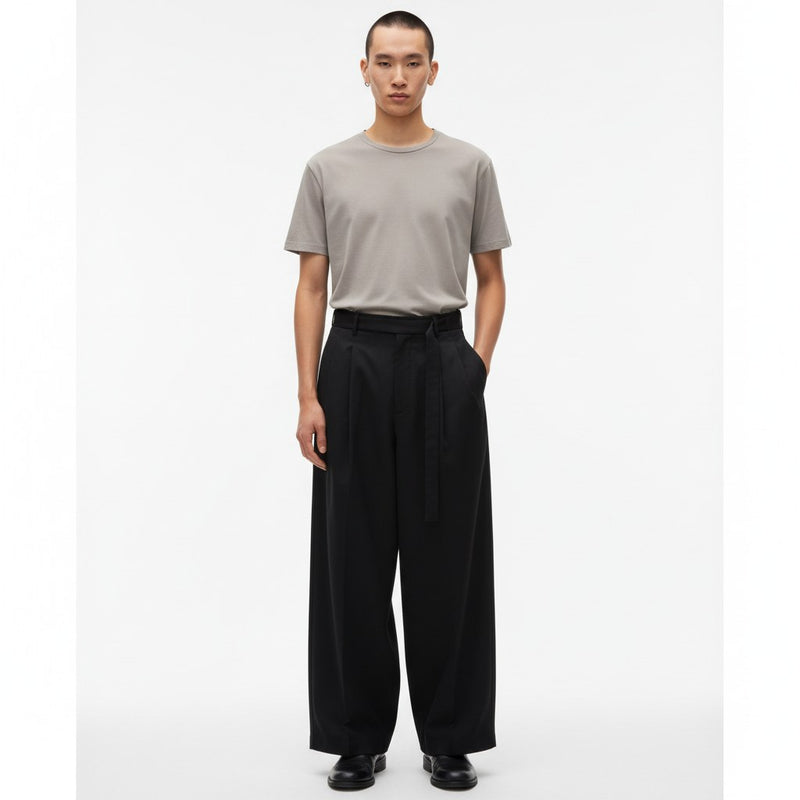
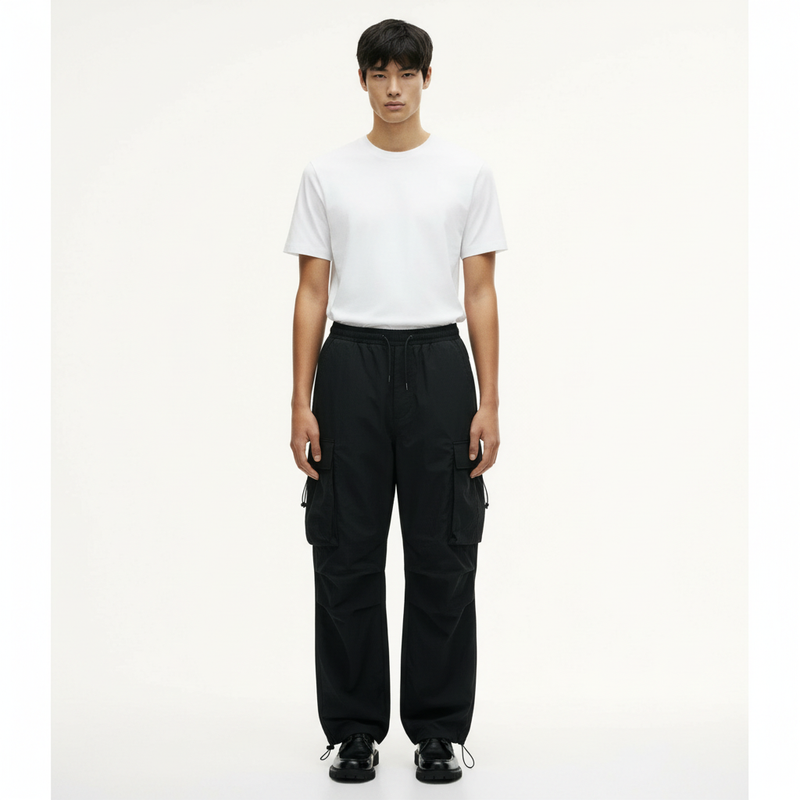
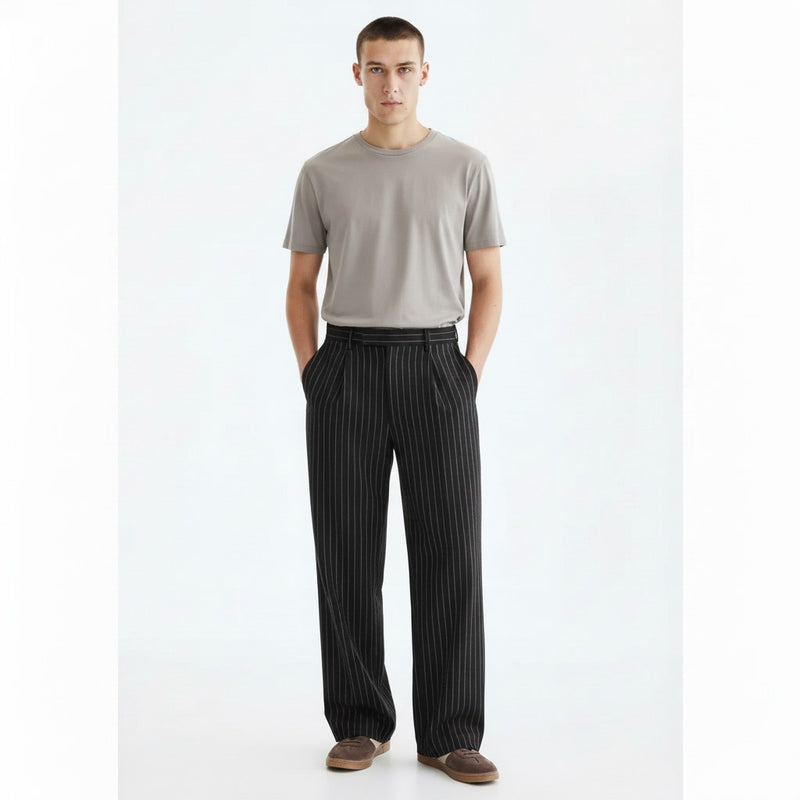
Sekino Men's Cotton Cropped PantsTapered leg · 100% cotton$49.90Free shipping over $45 + free tabi socksChoose size →
Best seller
Sekino Men's Cotton Cropped PantsTapered leg · 100% cotton$49.90Free shipping over $45 + free tabi socksChoose size →