
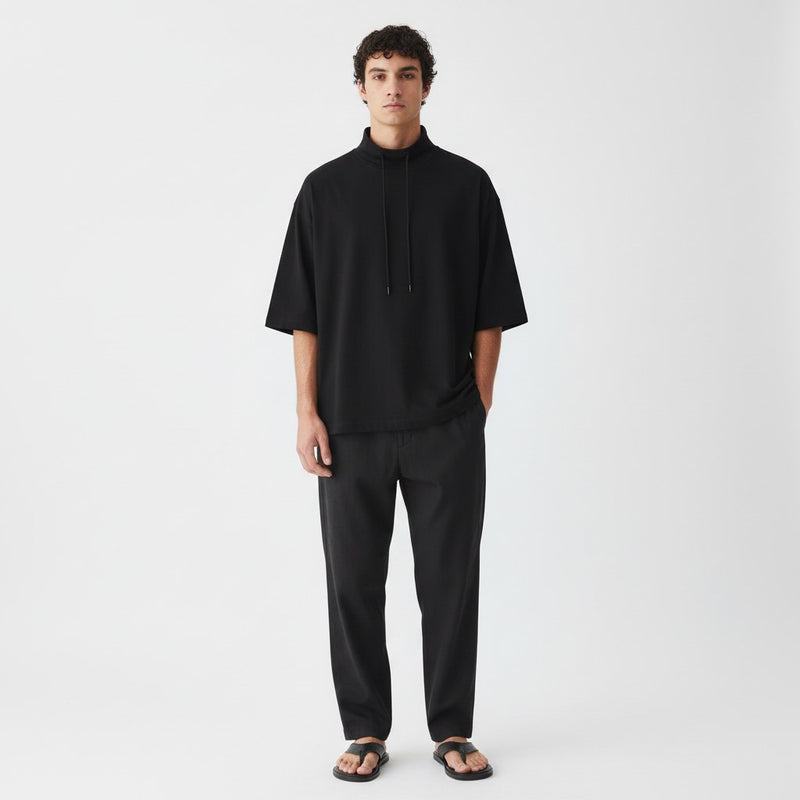


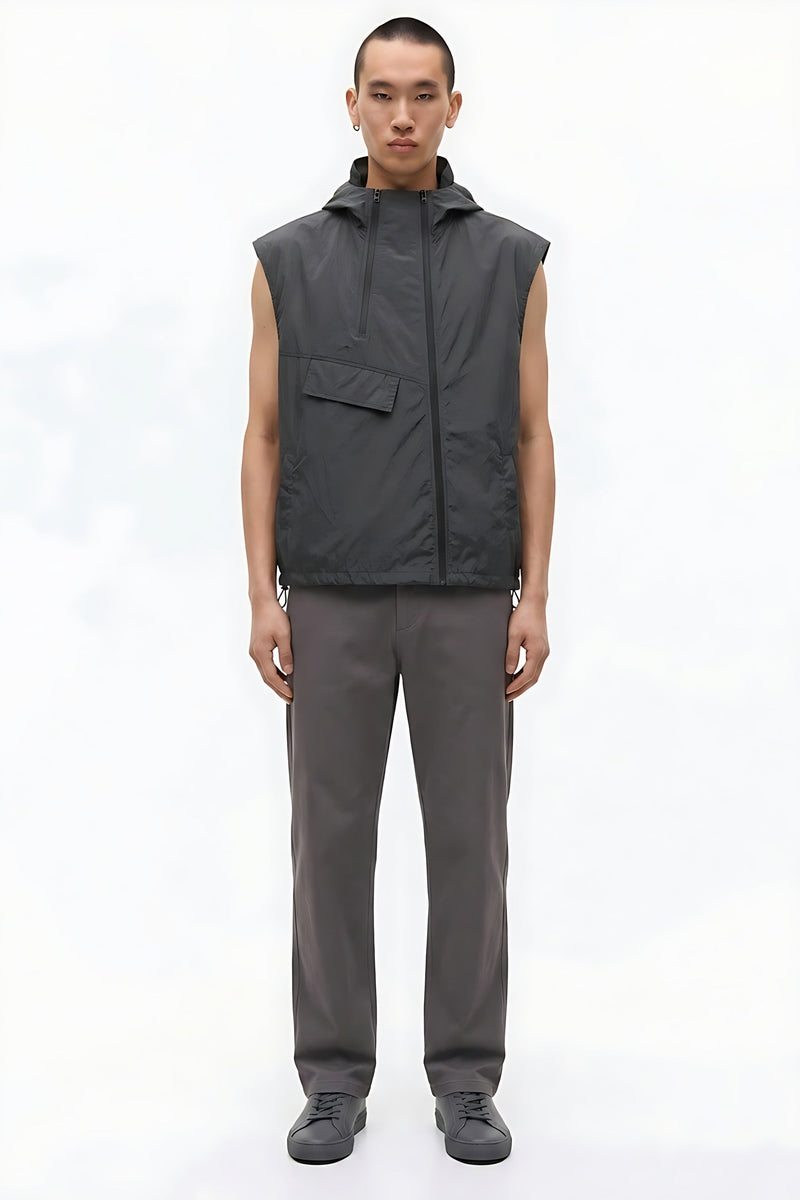

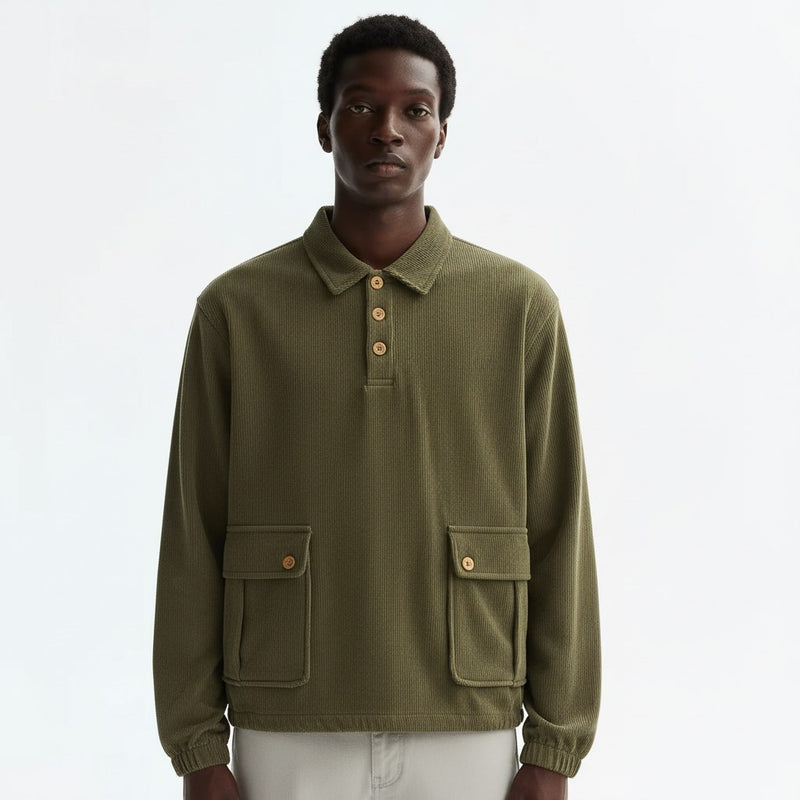
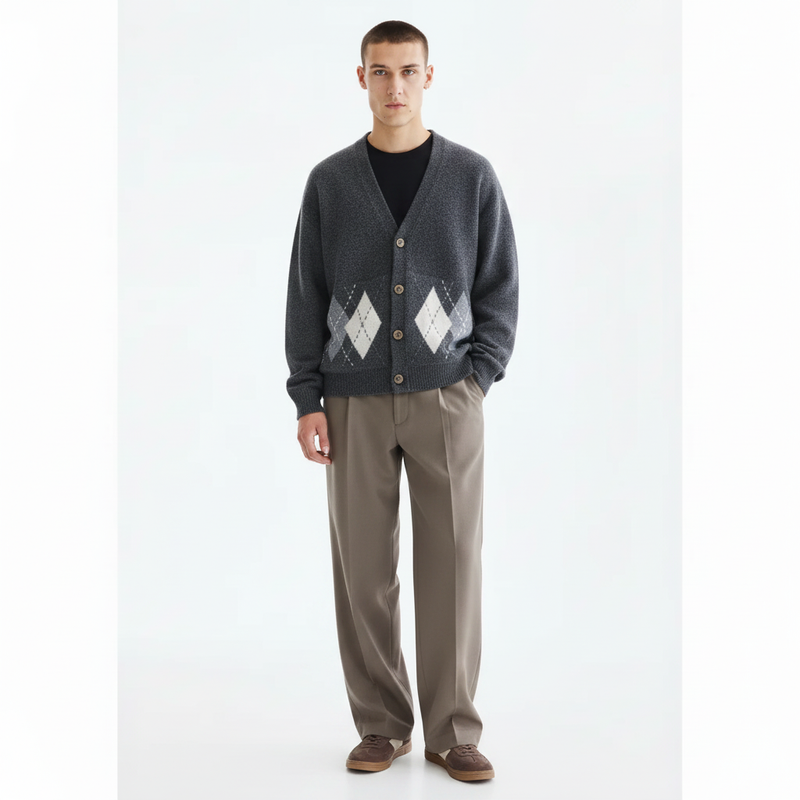



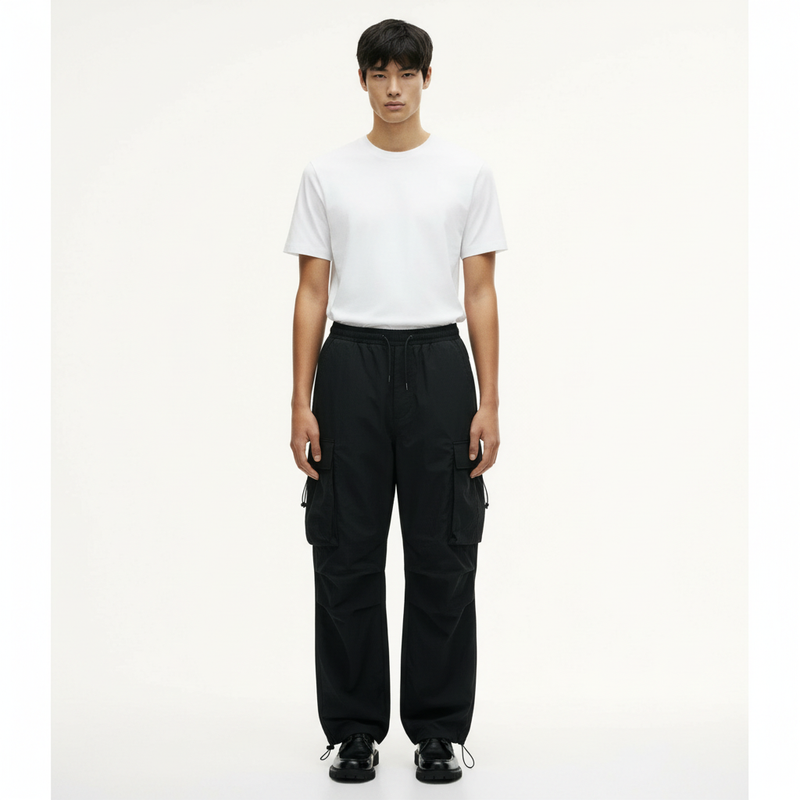
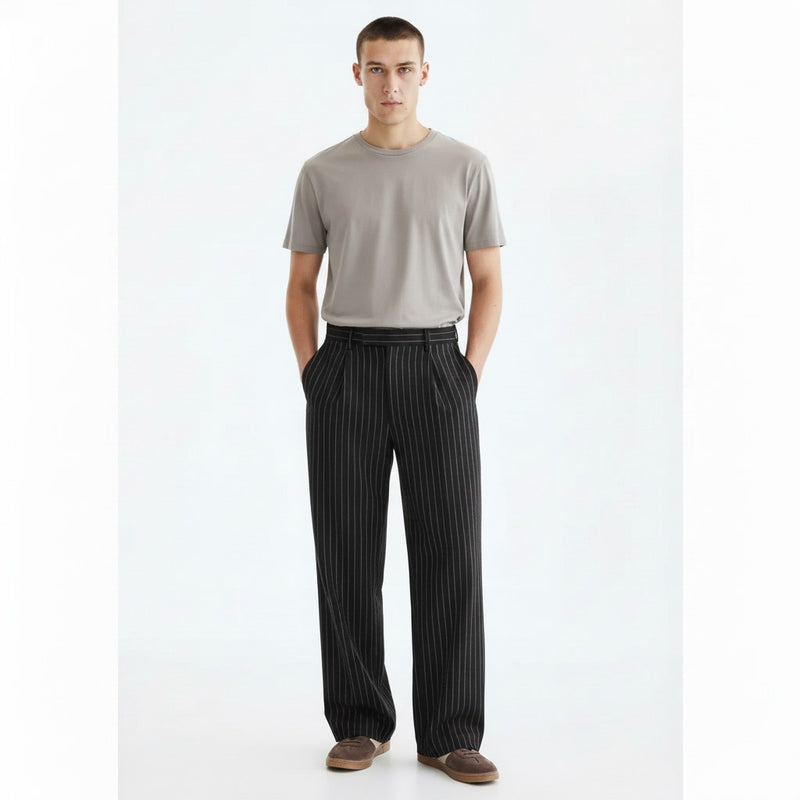


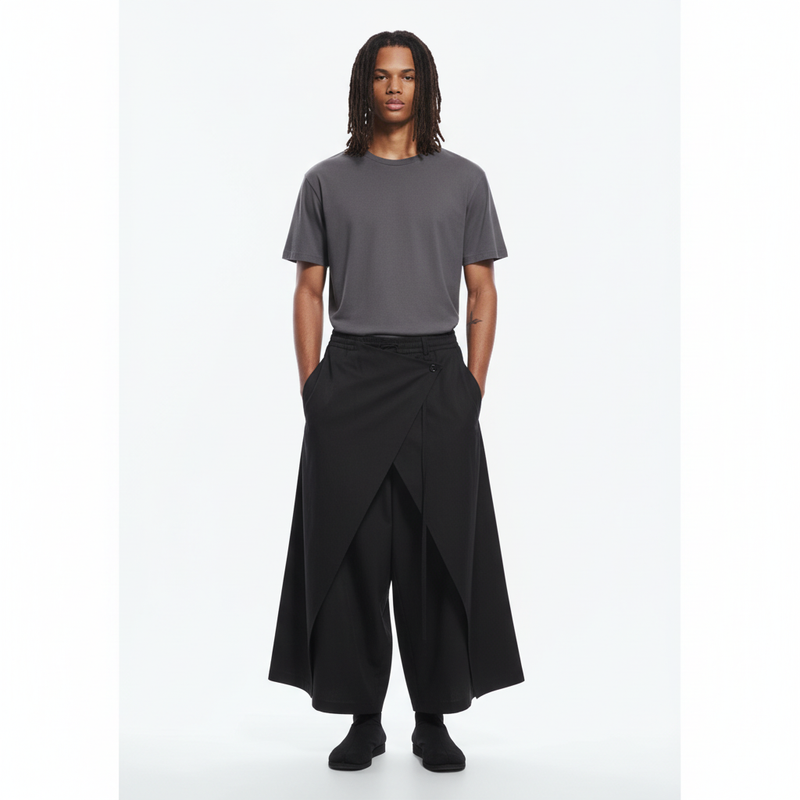


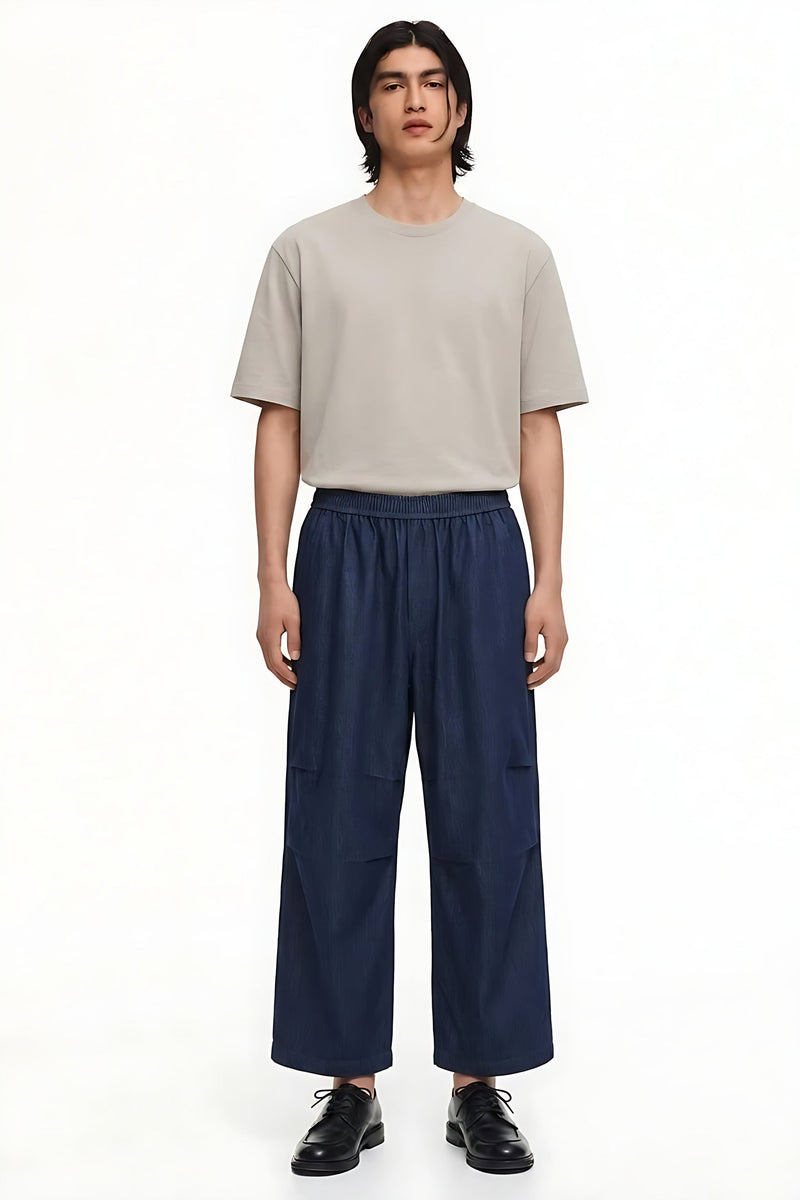





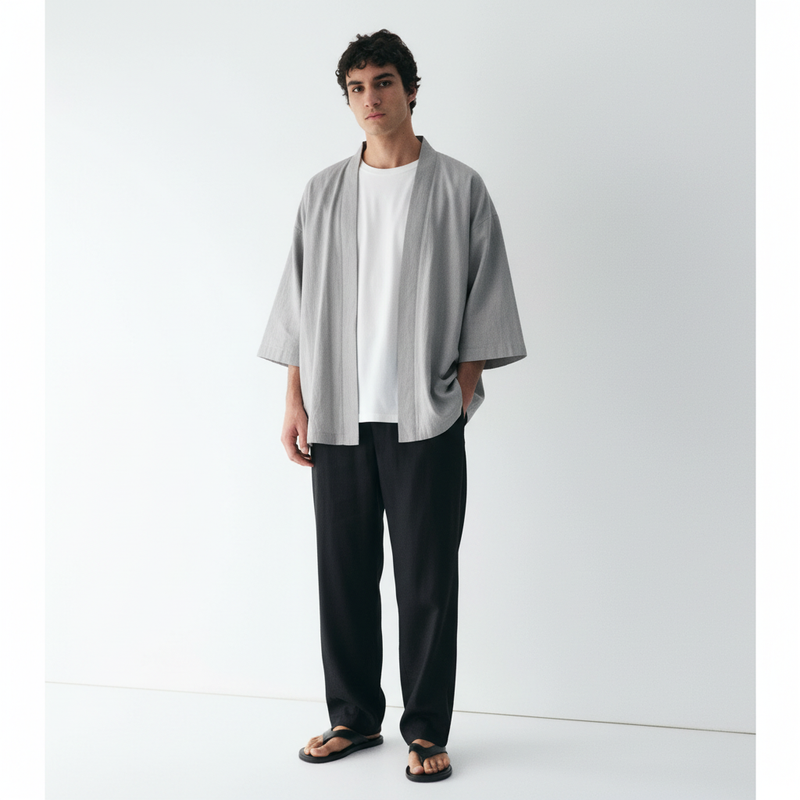
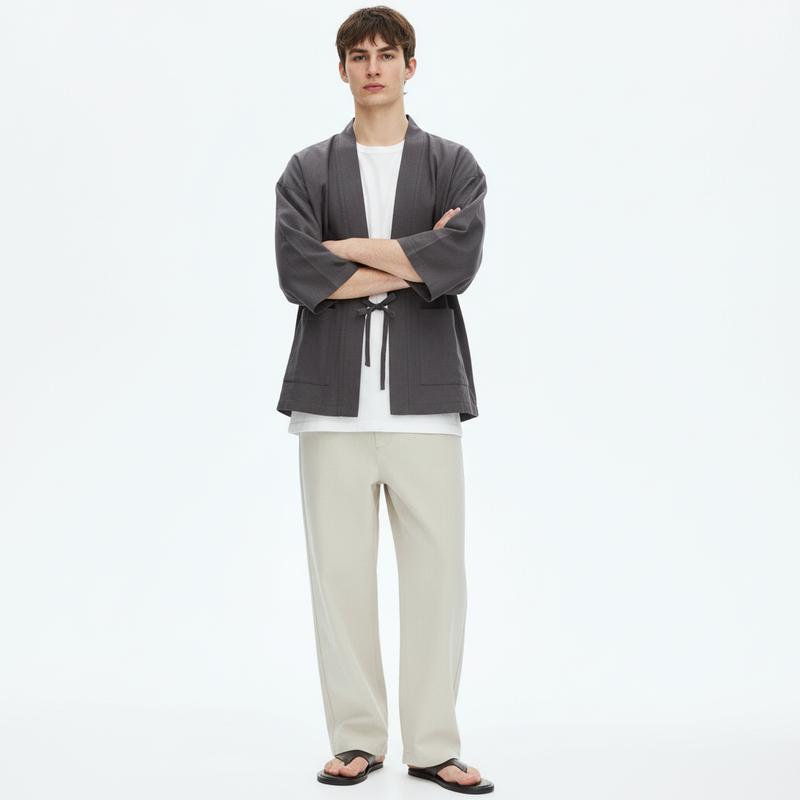
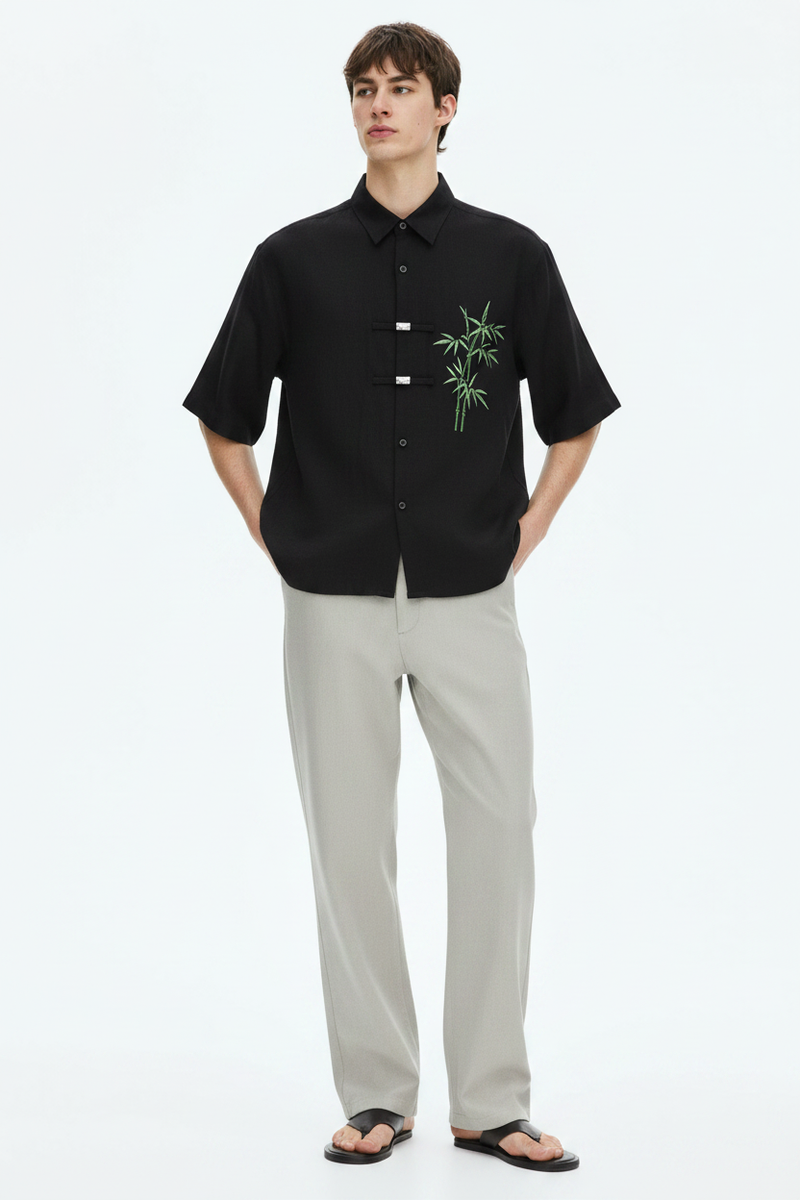
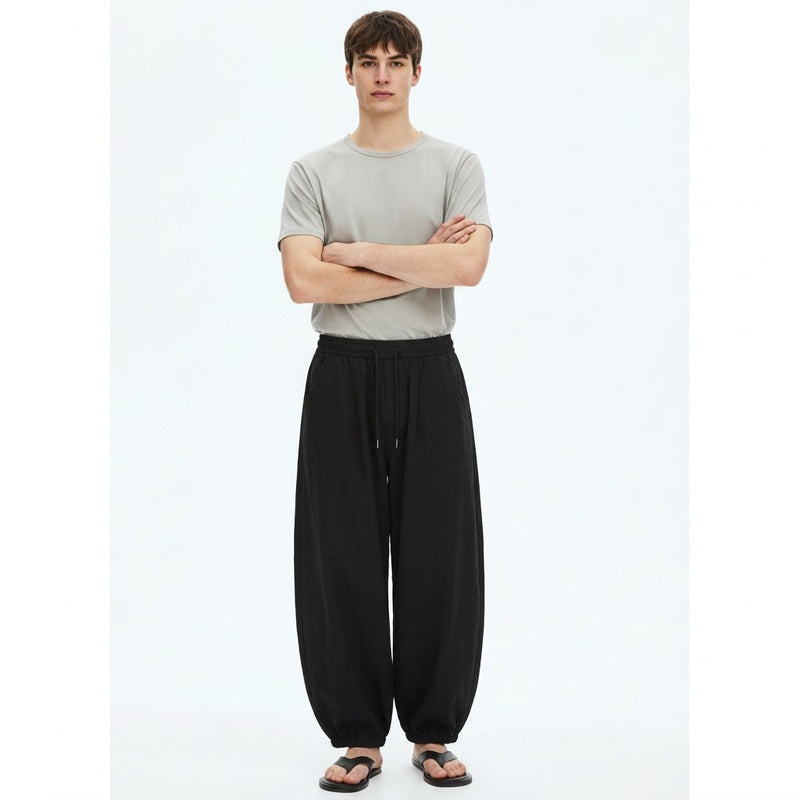



Short answer: real Japanese construction trousers, called tobi or nikka, come from Japanese workwear makers and cost about $70 to $200 shipped from Japan. Everyday pants cut on the same shapes cost $30 to $60. Decide whether you want the full balloon leg of a site worker or a wide, cropped cotton pant you can wear to the office.
We sell the everyday kind, so this guide is written by a seller. Prices below were checked on each shop's product pages on 29 September 2026.
The shapes, in one table
| Name | Shape | Worn by |
|---|---|---|
| Tobi | Balloons out to below the knee, narrow at the calf | Scaffolders and steel workers |
| Nikka | Full through the thigh, gathered below the knee like a knickerbocker | Construction crews |
| Monpe | Loose and gathered at the ankle | Farmers, originally women's field wear |
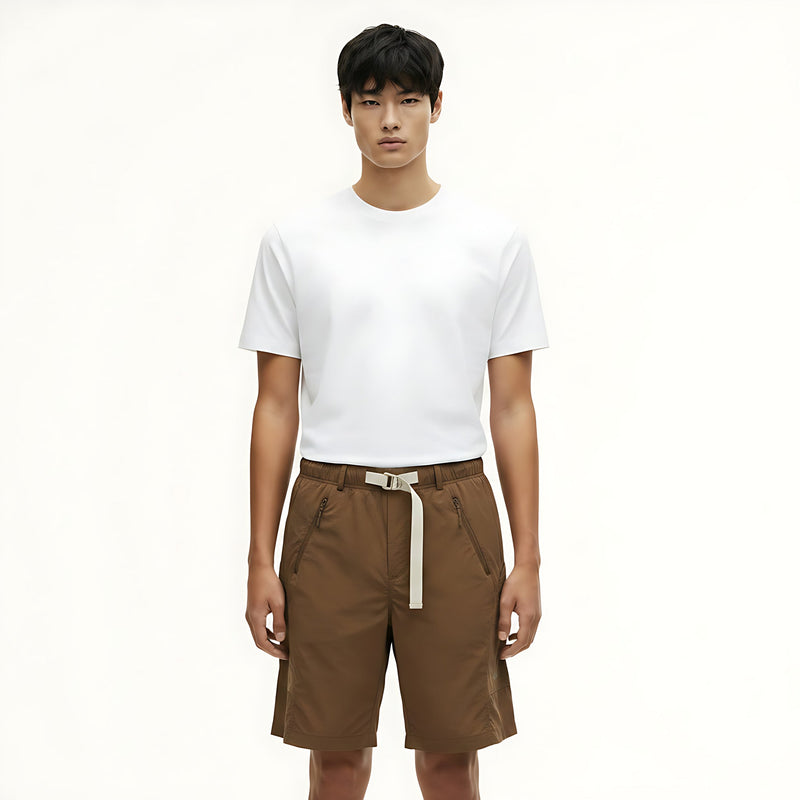
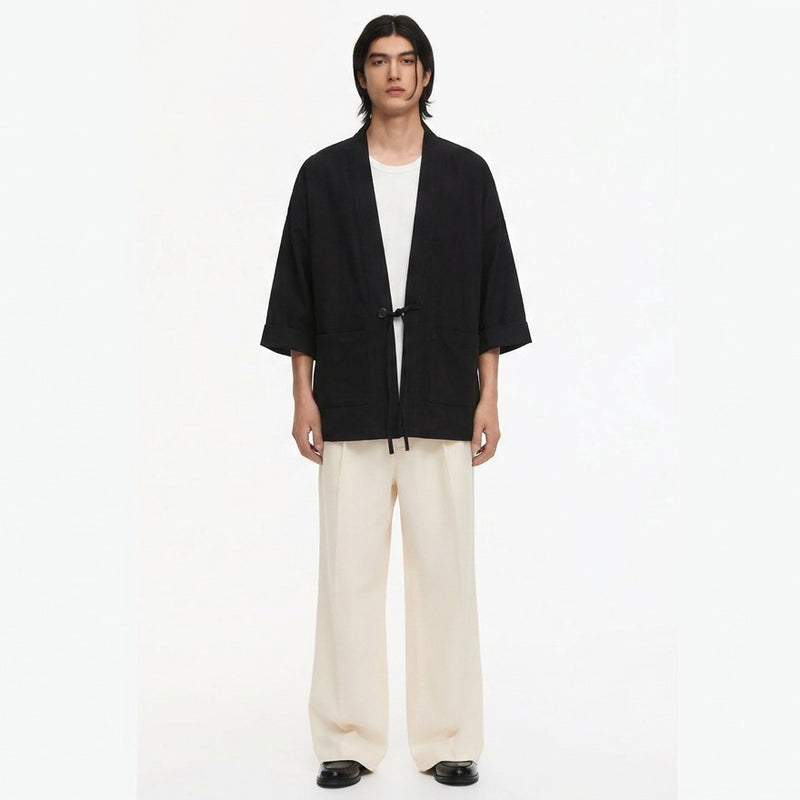
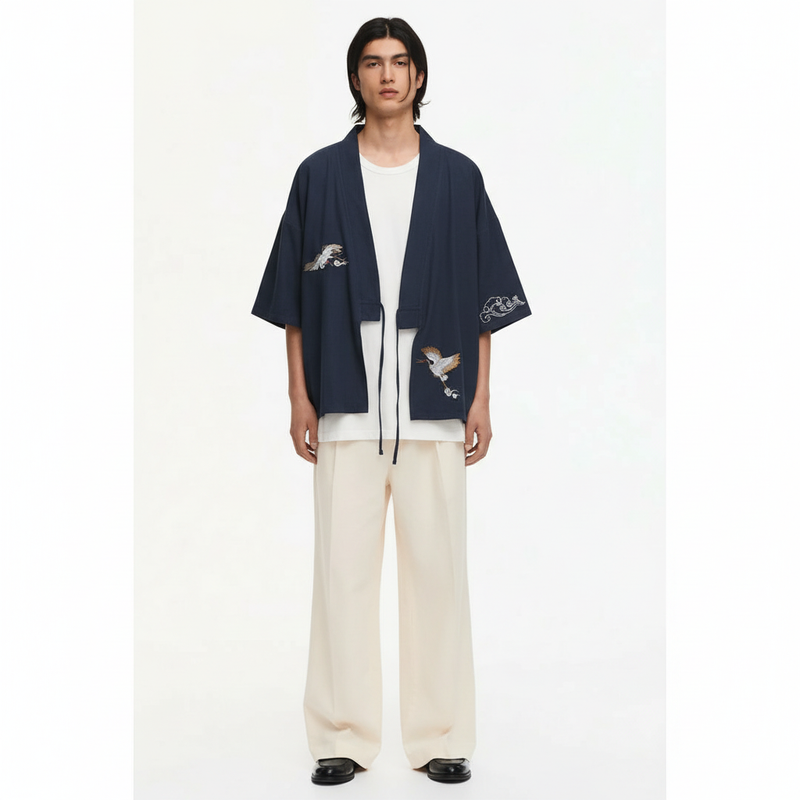
| Modern work pant | Wide or cropped straight leg, often with cargo pockets | Everyone else |
Where to buy them
| Shop | What | Price |
|---|---|---|
| Nikka Zubon | 27 tobi and nikka trousers, shipped from Japan | $72 to $200, e.g. Regular Cotton Edo-Style Tobi Pants $150 |
| Japanese Workwear | More than 80 tobi trousers from Japanese site-wear brands, shipped from Japan | See the shop, priced per style |
| Amaji | Five everyday cotton work pants, plus tobi and monpe cuts | $34.90 to $59.90 |
If you want the real thing as worn on a Japanese building site, buy from Nikka Zubon or Japanese Workwear. If you want the shape in something you can wear every day, the cotton pairs below are the easier start.

What we sell
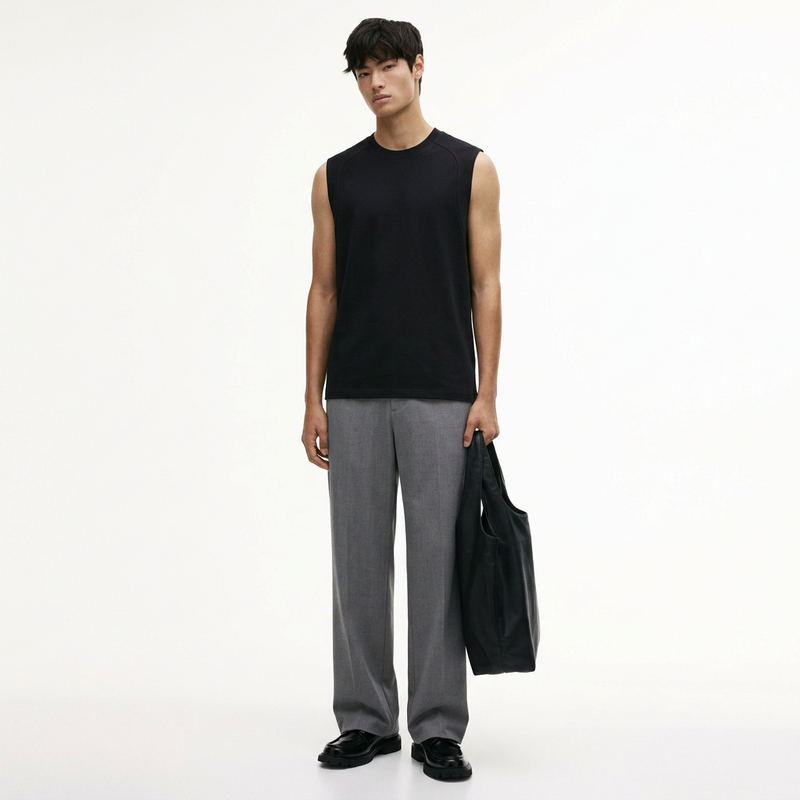
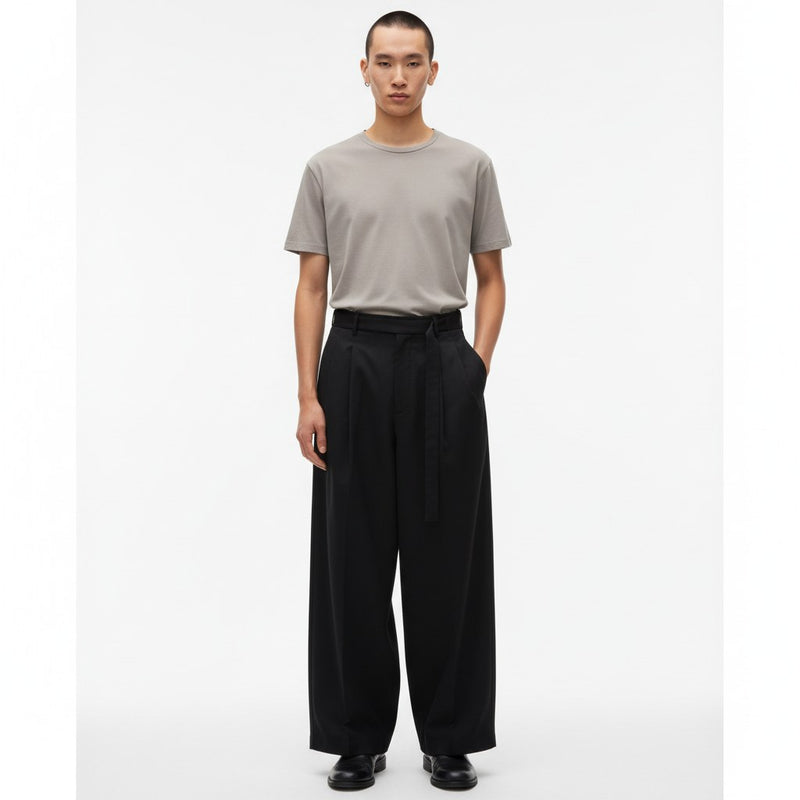
- Japanese Cotton Wide Leg Trousers, $34.90, cotton, XS to XXL.
- Deconstructed Cotton Cargo Work Pants, $49.90, S to XL.
- Cotton Wide-Leg Cargo Pants, $49.90, 100% cotton, S to XL.
- Sekino Cotton Cropped Pants, $49.90, 100% cotton, M to 3XL, a cropped leg with a slight taper.
- Kotona Loose Cropped Cotton Pants, $59.90, 100% cotton, XS to 3XL.
- The full balloon shapes: Balloon Leg Tobi Trousers, $39.90, 80% polyester and 20% cotton, and Monpe Balloon Pants, $49.90, polyester.
Every pair has a size chart in centimetres from the manufacturer's flat measurements. Shipping is free over $45 to 32 countries, with 30 days to return.
How to choose
- For real work, buy a tobi or nikka from a Japanese workwear maker. They are cut and reinforced for the job.
- For everyday wear, a cotton pant with a wide or cropped leg gives the look without the volume.
- Length. Cropped cuts end above the ankle. If you are tall, check the length on the chart.
- Sizing from Japan. Japanese makers use Japanese sizing, often one to two sizes smaller than US labels. Measure a pair you own.
For the history, the traditional Japanese clothing glossary covers tobi and monpe, and the Japanese pants collection has every cut we make.
If you want pleats rather than a balloon leg, hakama trousers are the dressier wide cut. Prices across 15 stores are in the 2026 Japanese clothing price survey.