

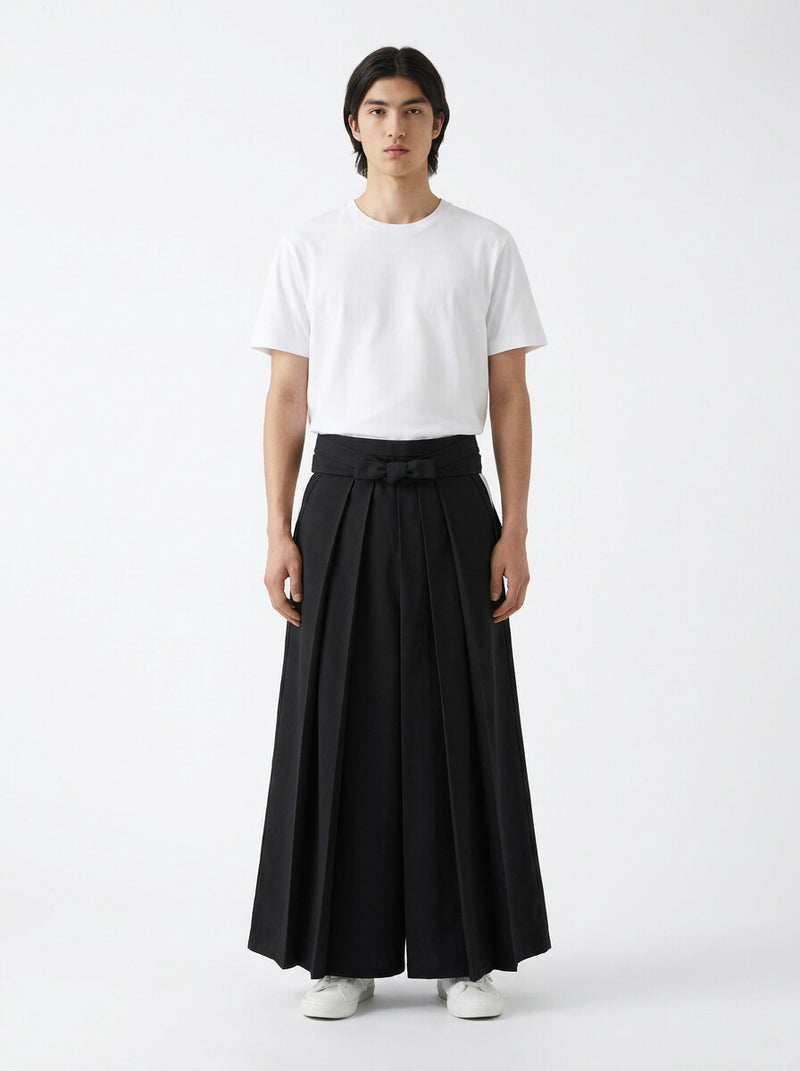

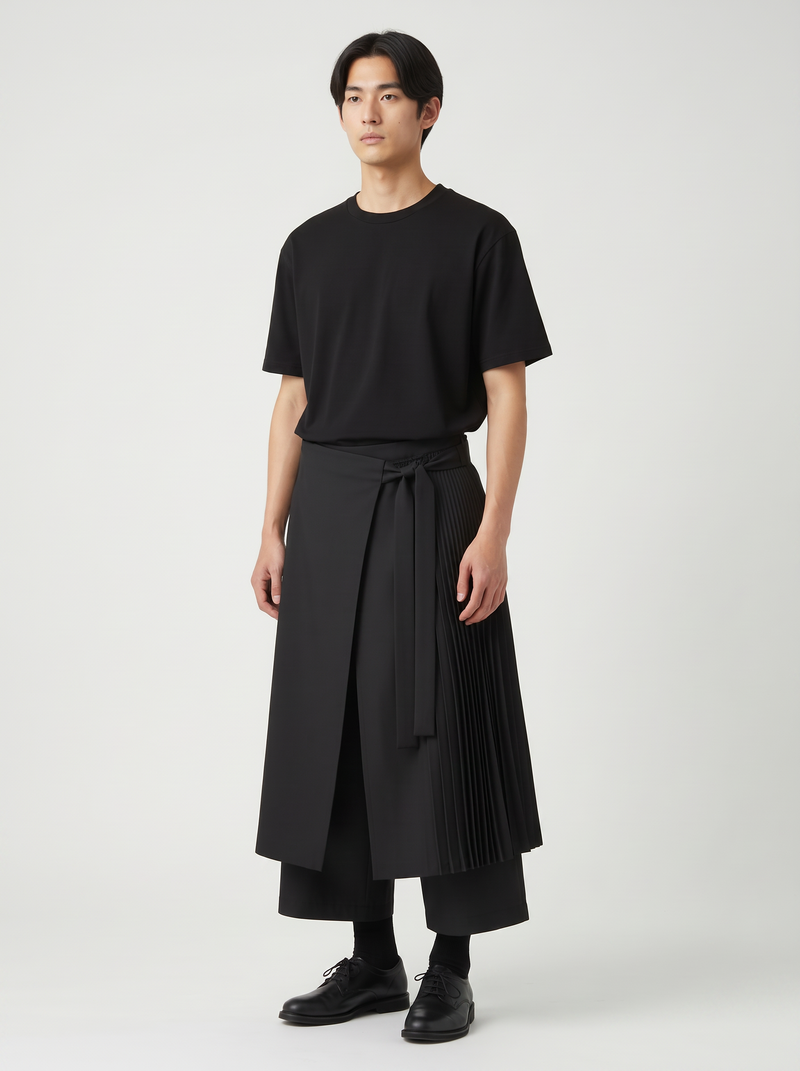





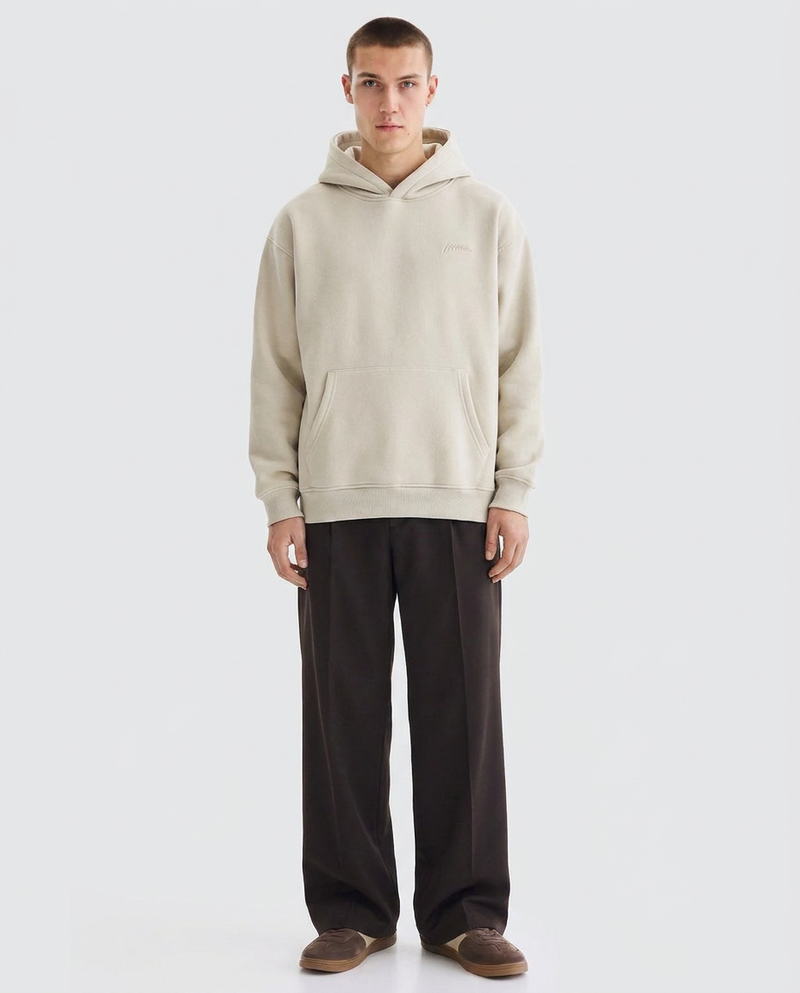



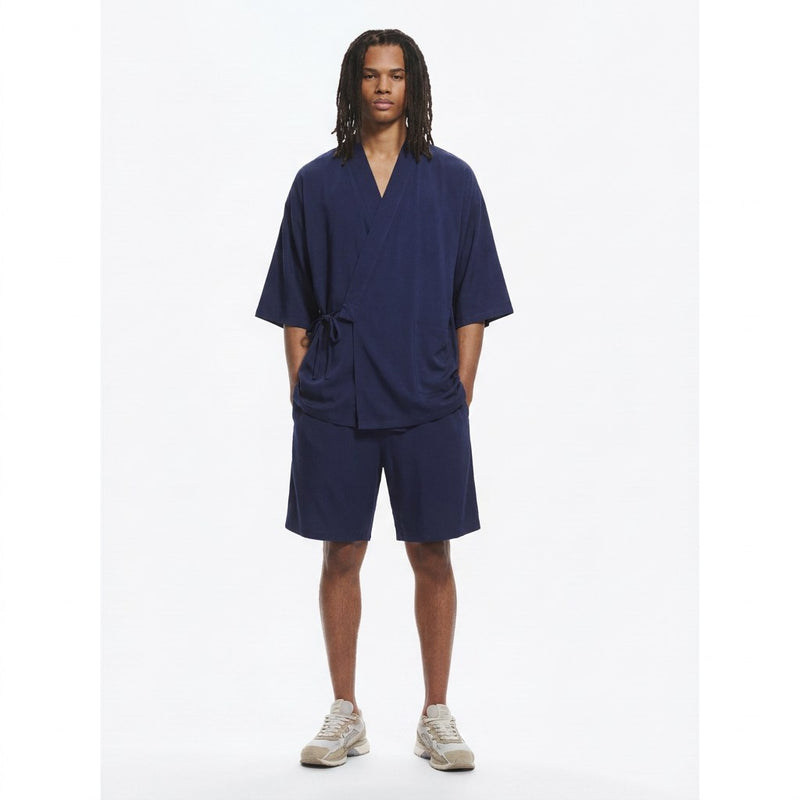

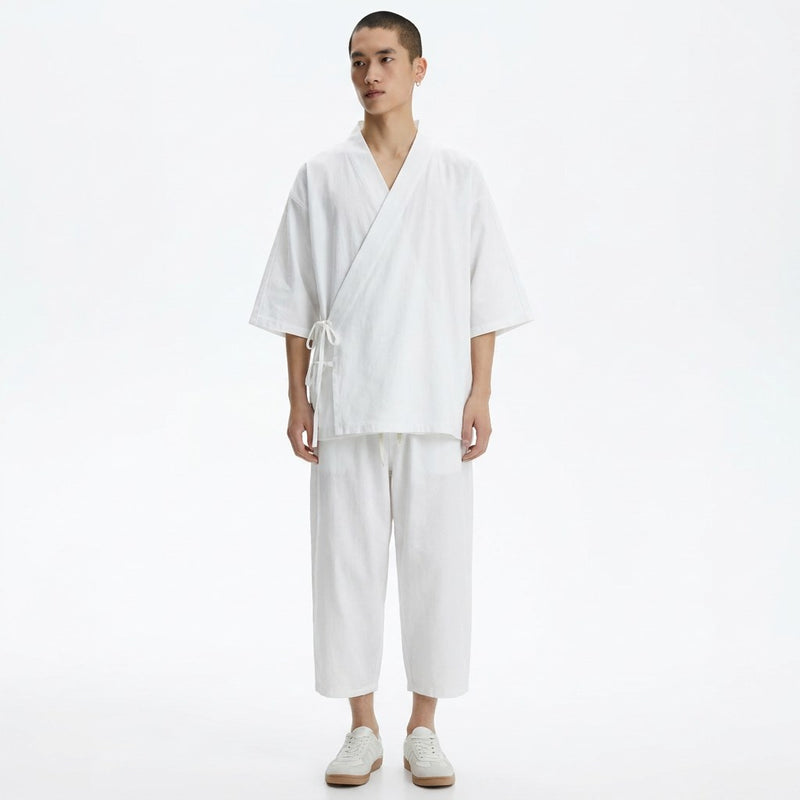
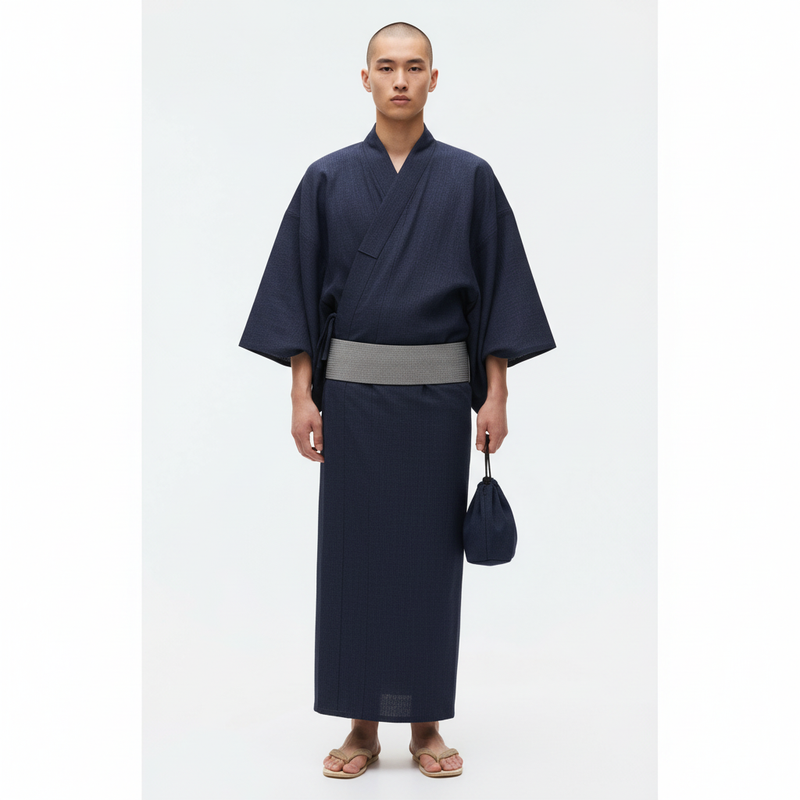

Every samurai, from a daimyo (大名, a feudal lord) down to a foot soldier, dressed on the same base: a kosode (小袖), a robe with small wrist openings, and hakama (袴), the pleated trousers you still see in our samurai pants collection. Rank decided everything layered on top. It set which formal robe a man wore at court, how far his hakama trailed, whether he rode in custom armor or marched in a borrowed set, and whether he carried two swords at all.
Our guide to what samurai wore walks through each garment on its own. This page sorts them by rank, from the top of the ladder down.
Samurai outfit components by rank at the shogun's castle
In the Edo period (1603 to 1868), the shogunate fixed a dress code for ceremonies at Edo Castle. A man's court rank, not his income, chose his robe. Roughly, the order ran like this:
| Rank | Ceremonial outfit | What set it apart |
|---|---|---|
| The shogun's kin and the highest lords (third court rank, or fourth rank with the title of chamberlain) | Hitatare (直垂) | The oldest warrior court suit, a wide-sleeved jacket with matching hakama |
| Lords of the fourth court rank | Kariginu (狩衣), "hunting robe" | A round-collared robe borrowed from the court nobility |
| Lords and senior officials of the fifth rank | Daimon (大紋), "large crest" | A hitatare-style suit dyed with big family crests |
| Officials granted the hoi privilege | Hoi (布衣) | A kariginu with no pattern at all |
| Retainers with no court rank | Suō (素襖) | A simpler crested suit, the plainest of the five |
Most of these suits were worn with naga-bakama (長袴), hakama so long the legs trailed well past the feet and slid along the castle floors. Nobody hurried in them.
Kamishimo, the working outfit of a samurai on duty
Ceremonies were rare. For daily service, a samurai of almost any rank wore the kamishimo (裃): a sleeveless kataginu (肩衣) with stiff, winged shoulders over the kosode, and hakama cut from matching cloth. The family mon (紋, crest) sat on the back and on both sides of the chest.
Length showed status here too. The naga-kamishimo (長裃), paired with trailing hakama, was formal wear for men of standing on important days. The han-kamishimo (半裃) had ankle-length hakama, and it was what most samurai wore to work.
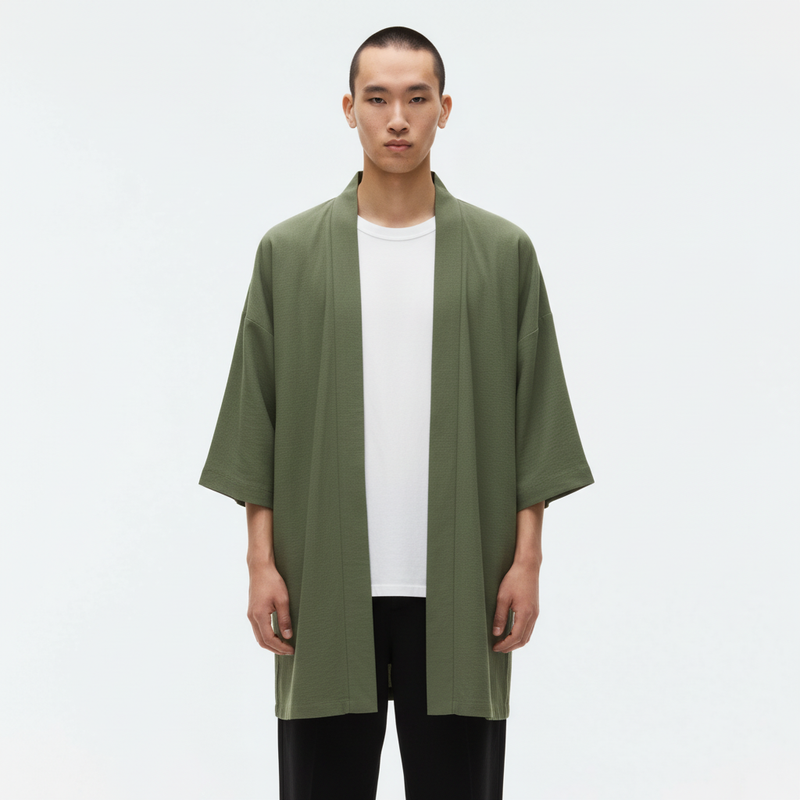
Off duty, the kataginu came off. In town a samurai typically wore kosode, hakama and a haori (羽織), a short open jacket, again with crests. With two swords at the hip, that outfit told everyone on the street who he was.
Samurai armor by rank on the battlefield
Armor followed rank as closely as court dress did. In the early centuries, the boxy ō-yoroi (大鎧) belonged to mounted, high-ranking warriors, while lighter wraparound armor served the men on foot. By the 1500s the tosei gusoku (当世具足, "modern armor") had taken over, and the gap between ranks came down to quality and decoration. The Japanese armour entry on Wikipedia has the full timeline.
- Lords and generals: made-to-order armor, a kabuto (兜, helmet) with a tall crest or a sculpted shape that stood out across a field, often a face mask, and a jinbaori (陣羽織), a sleeveless surcoat worn over the armor.
- Mounted samurai: full matched armor, a helmet with a smaller crest, and a sashimono (指物), a small banner on a pole fixed to the back so commanders could read the line.
- Ashigaru (足軽, foot soldiers): okashi gusoku (御貸具足), plain armor lent by the lord and marked with his crest, a jingasa (陣笠) conical hat in place of a helmet, and a spear, bow or matchlock. The ashigaru sat at the bottom of the warrior class, and in some periods outside it.
The two swords, a line drawn by rank
The daishō (大小, "big and small"), a long katana paired with a shorter wakizashi, was the plainest marker of all. After Toyotomi Hideyoshi's sword hunt of 1588, and through the Edo period, wearing both was a samurai right. Commoners were barred from the long sword, though many could carry a short one on journeys, and a few village heads and merchants were granted surname and sword, called myōji taitō (苗字帯刀).
Which samurai outfit components still work today
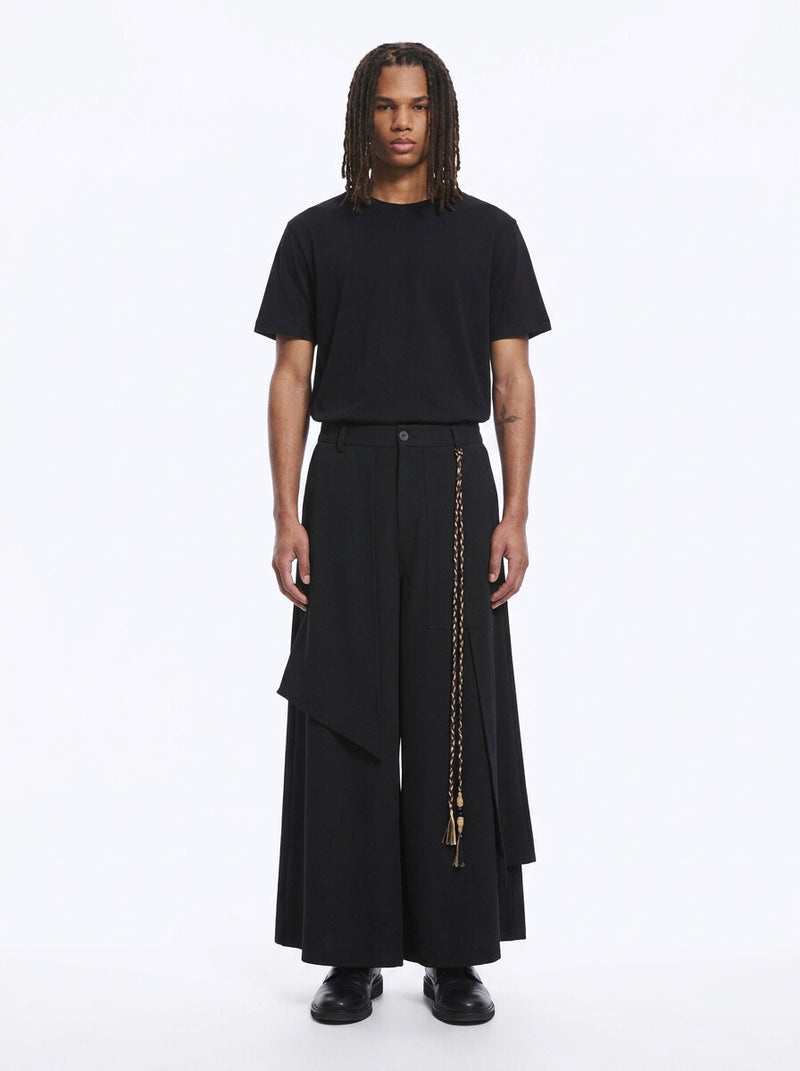
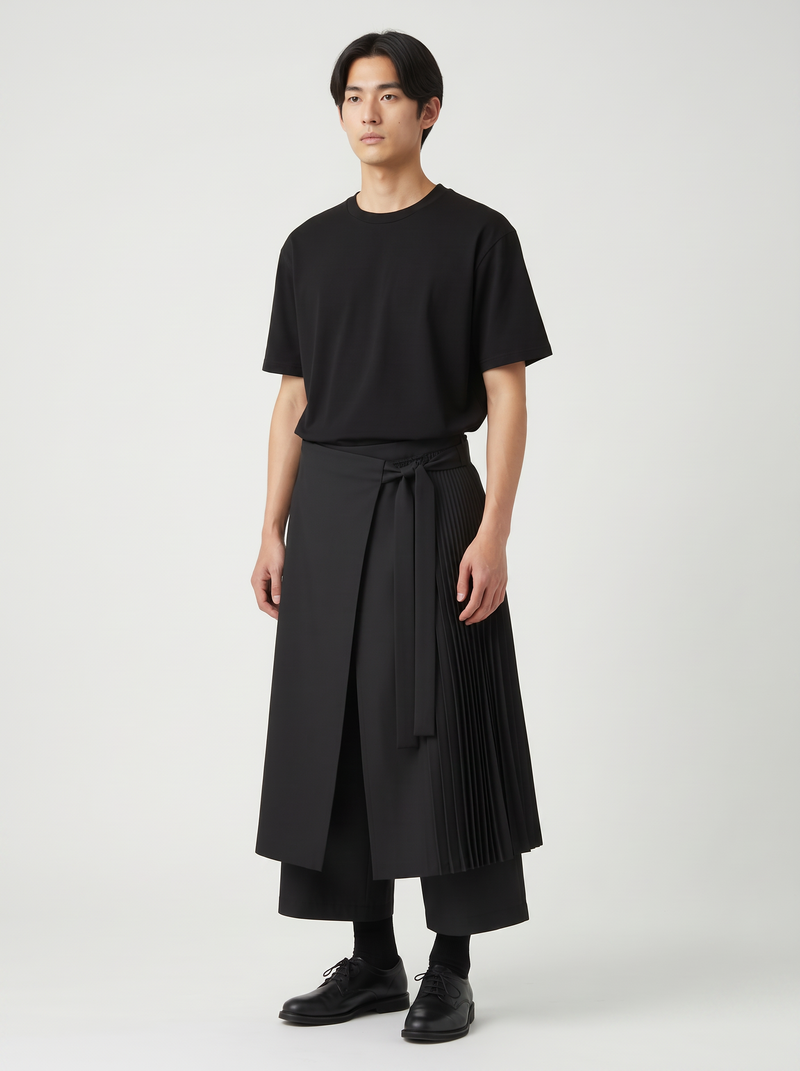
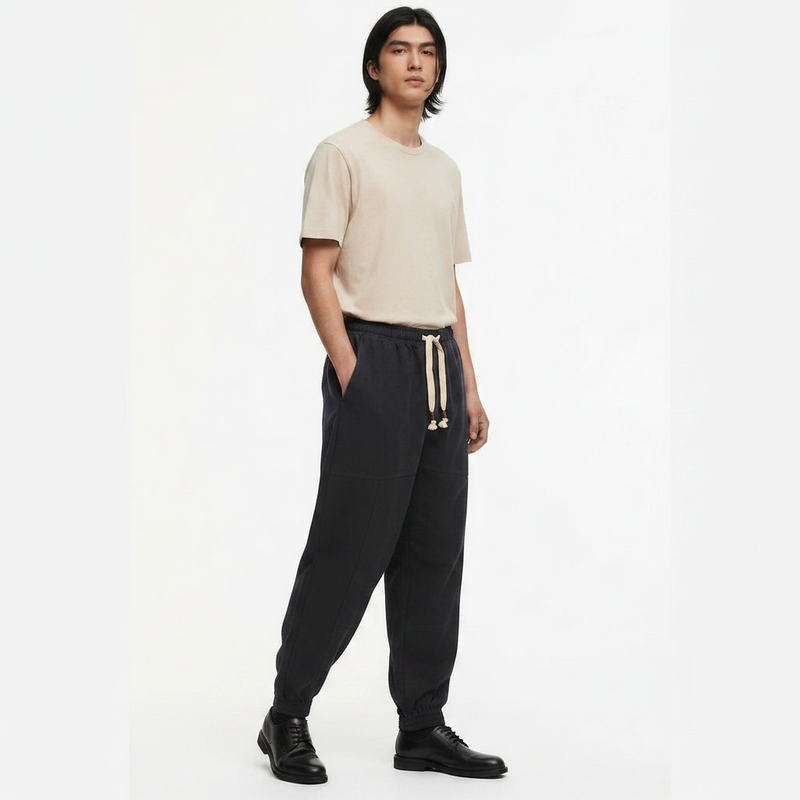
Of everything above, hakama are the piece that crossed into modern wear. Kataginu, naga-bakama and armor stay in museums and festivals, but pleated hakama with a plain top read as samurai-inspired without looking like a costume. Traditional hakama carry seven pleats, five in front and two in back.

Amaji's Men's Kendo Hakama, Seven Pleats follows that layout. It costs $59.90, comes in white, black and navy from XXS to XXL, and was in 6 of our last 78 orders over 90 days. To be plain about it, this is an affordable everyday piece made in China. If your dojo expects a specific practice hakama, buy from a martial arts supplier your teacher trusts.

For a simpler black look, the Men's Pleated Samurai Hakama Pants we sell at Amaji cost $54.90, sizes XS to XL. They were in 3 of our last 78 orders, and 2 of the 3 pieces ordered were size S.

Amaji's Black Hakama Pants, Wide Leg Wrap Front are the lowest priced of the three at $49.90. Taller men lean toward them: 4 of the 6 pieces ordered were size XL. On our size table, M is for 170 to 175 cm and 65-73 kg, and XL is for 180 to 188 cm and 80-88 kg.
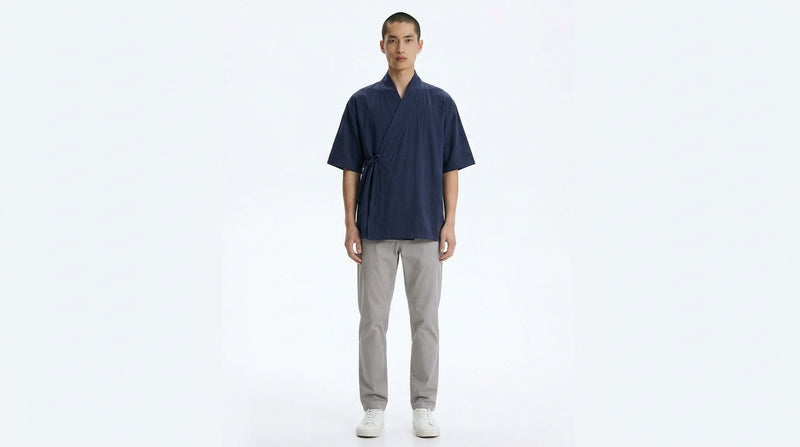
None of these recreate ranked court dress. In September 2026 the median hakama price at specialist shops was $79.97, and a kamishimo or armor made to period patterns needs a specialist maker. For the off-duty samurai look, wear the hakama with a cross-collar top and a haori over it, the way a retainer walked through town once his kataginu came off. The names behind these trousers are covered in what samurai pants are called.
Written by the Amaji team, November 12, 2026. How we write our guides.