


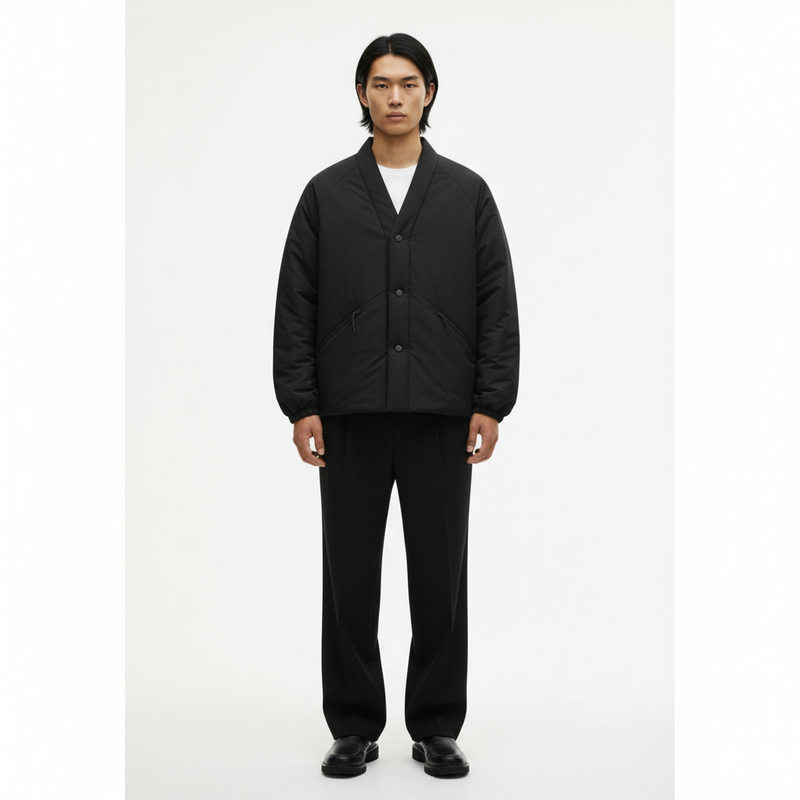
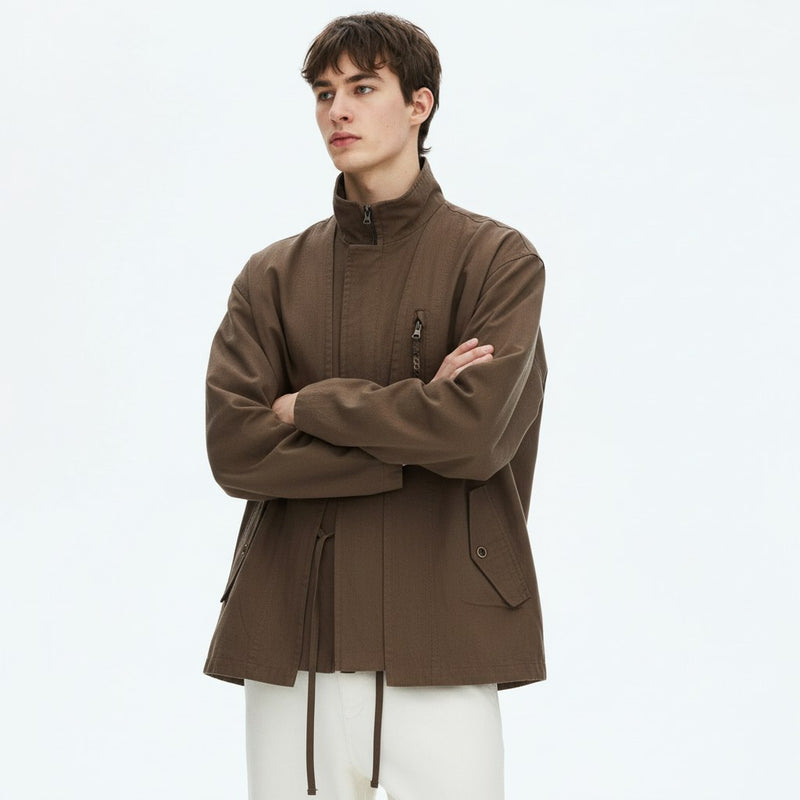
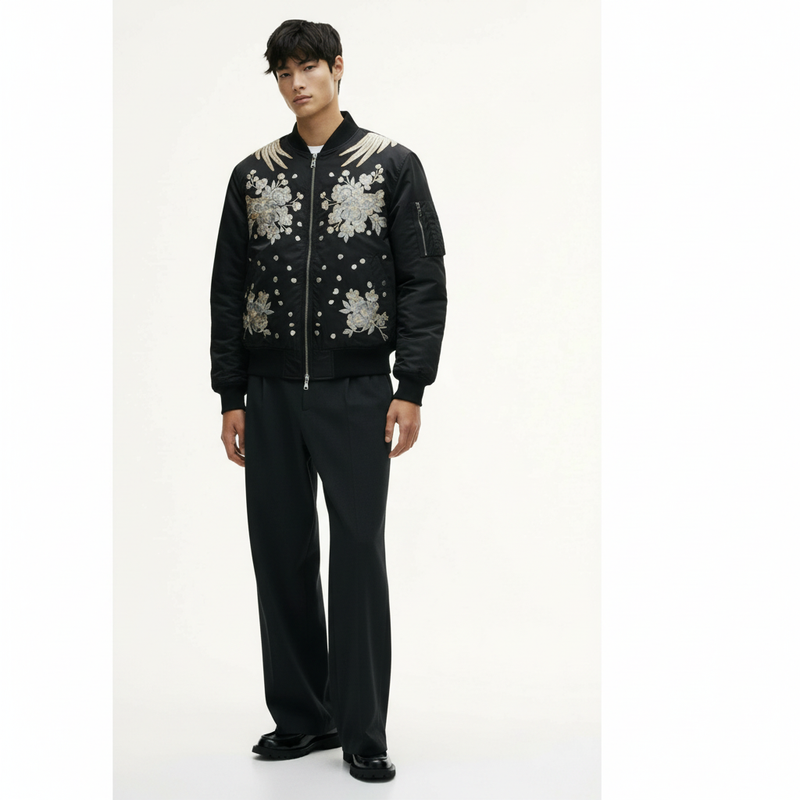

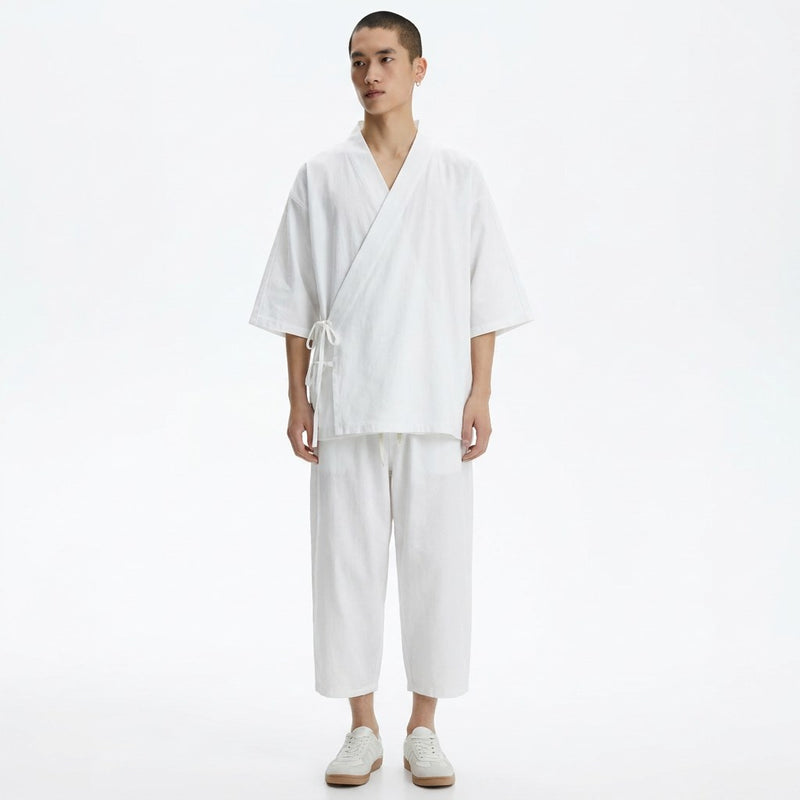


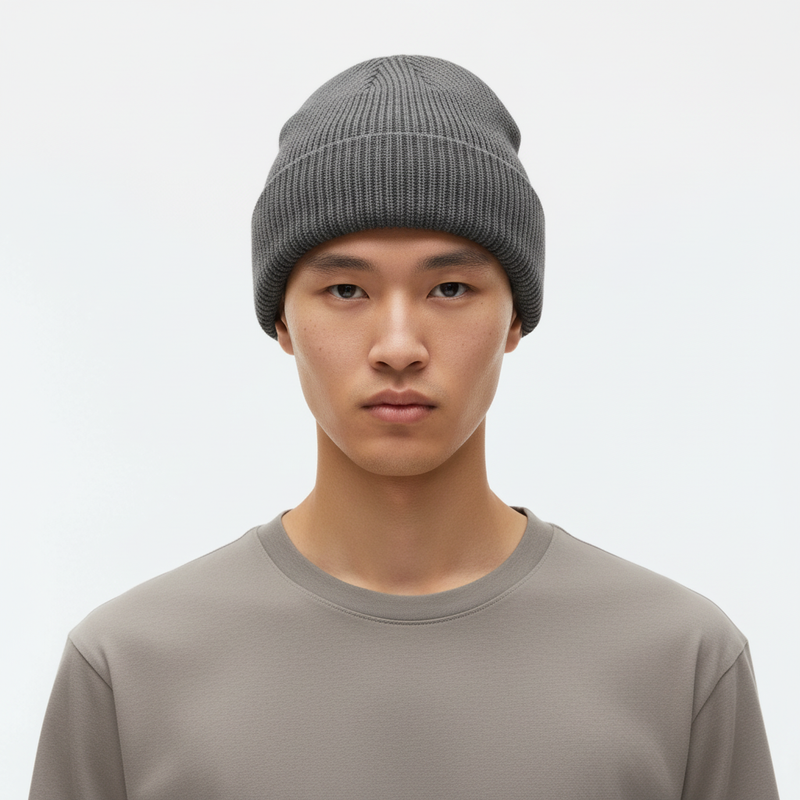




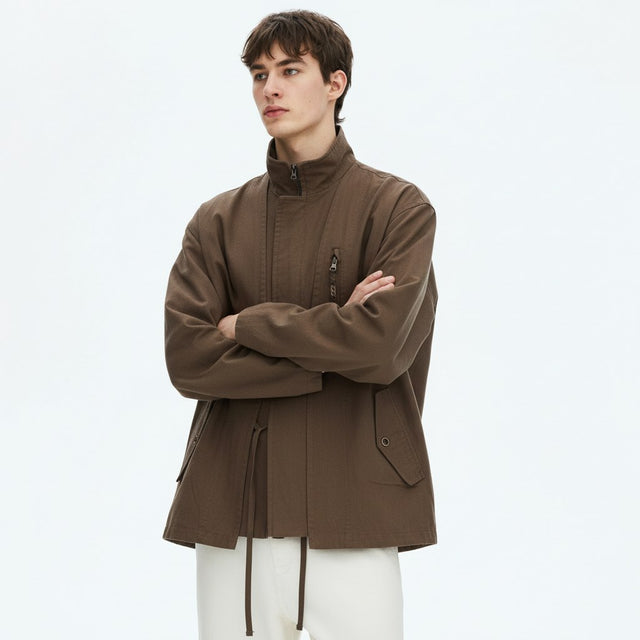
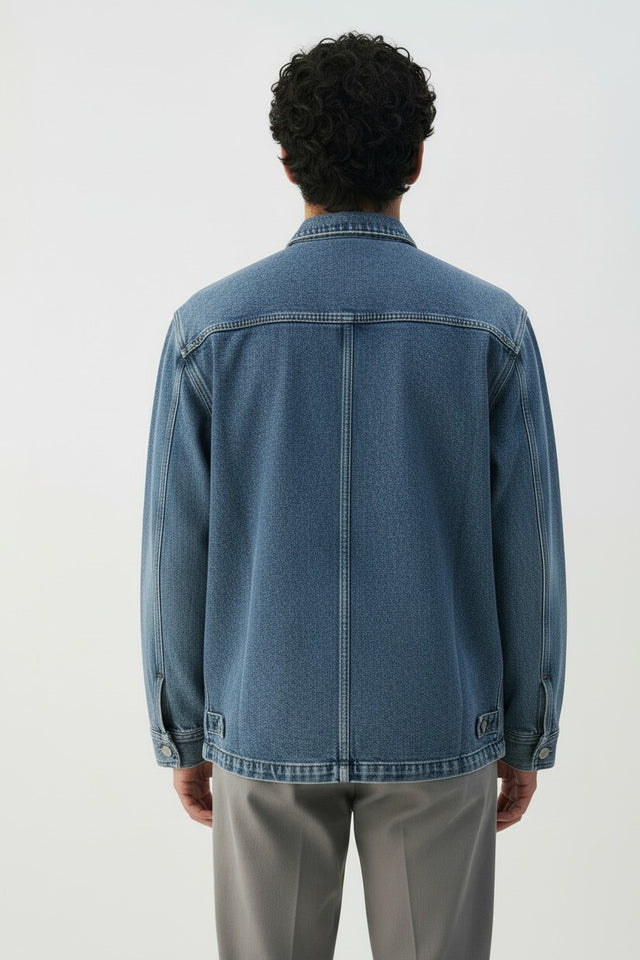
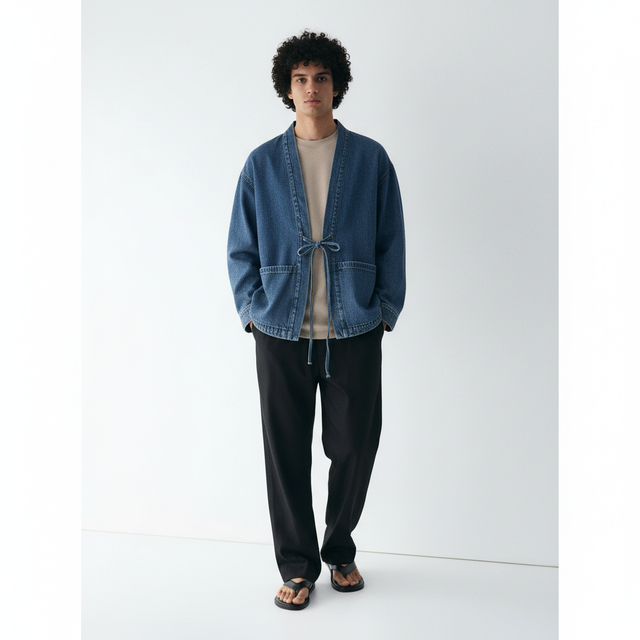
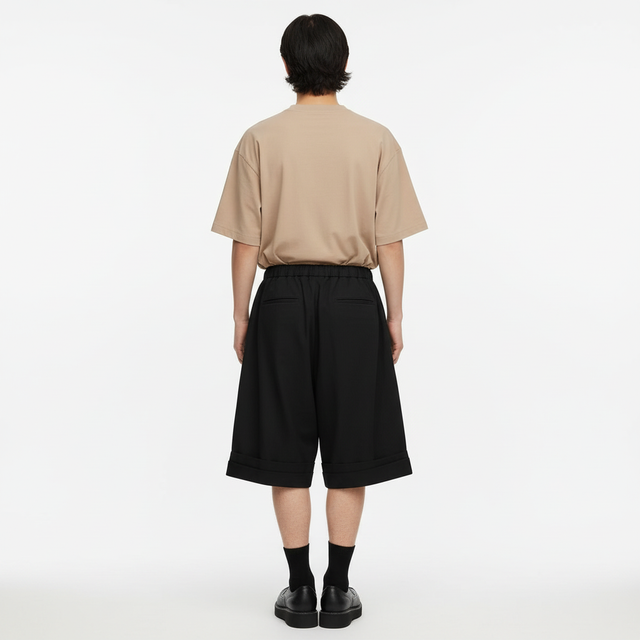
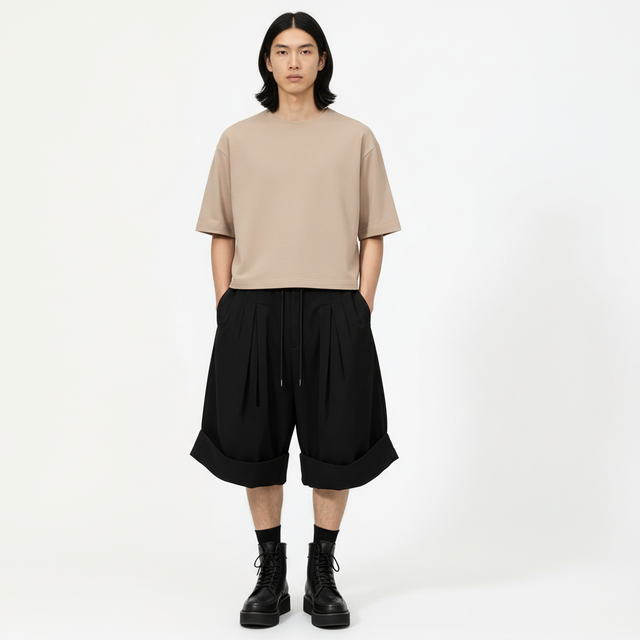
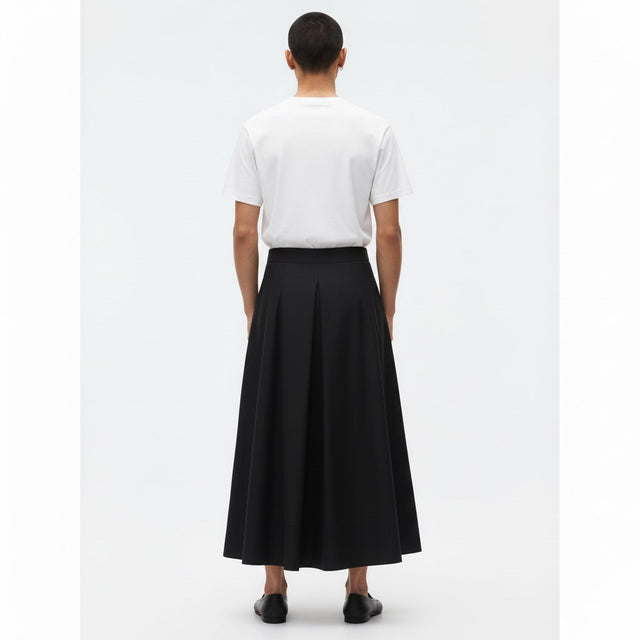

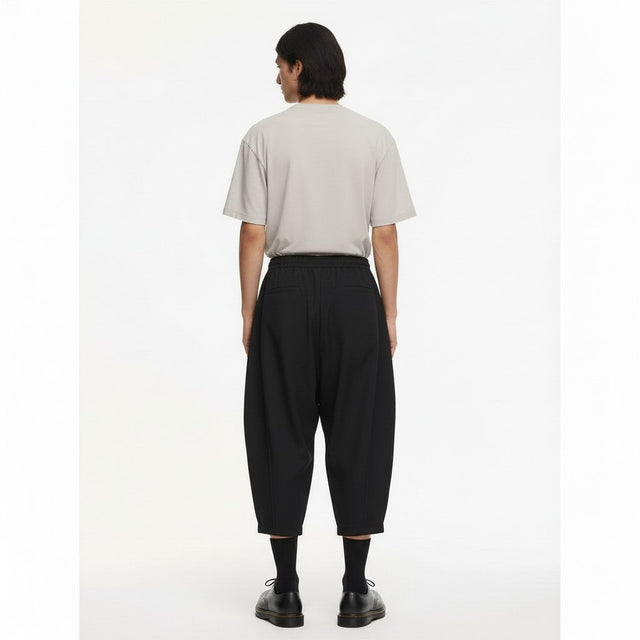
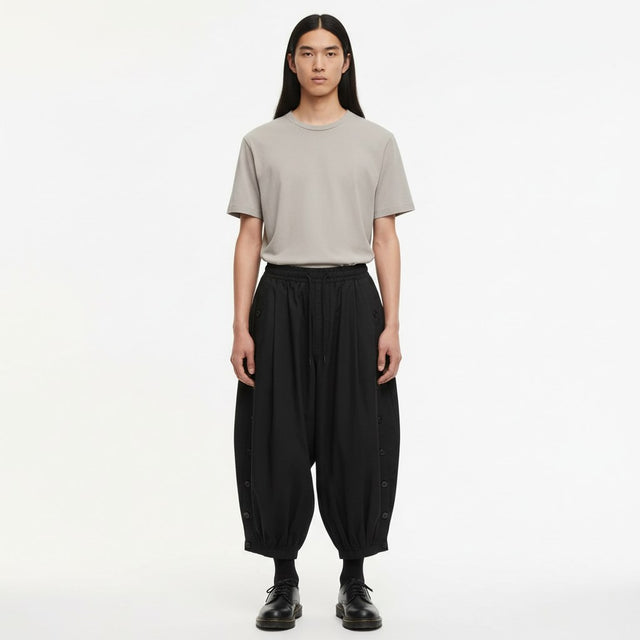


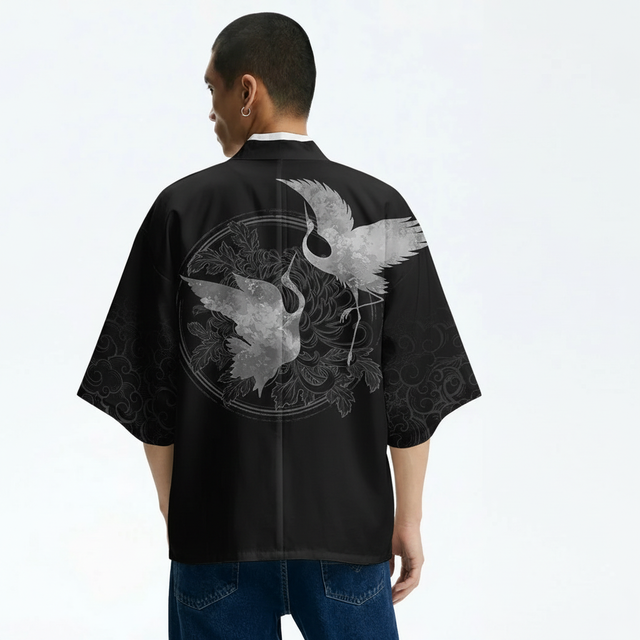
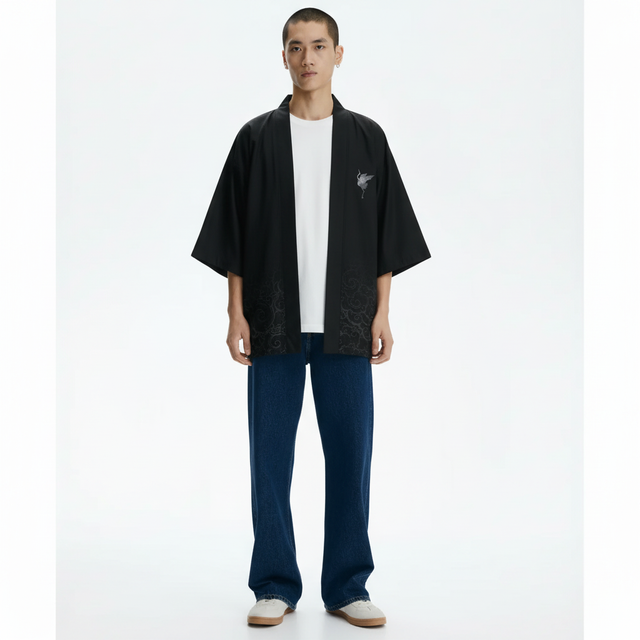
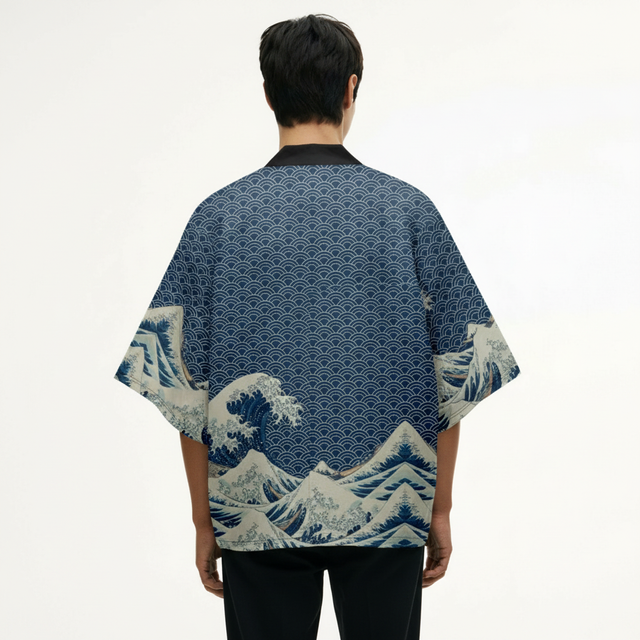

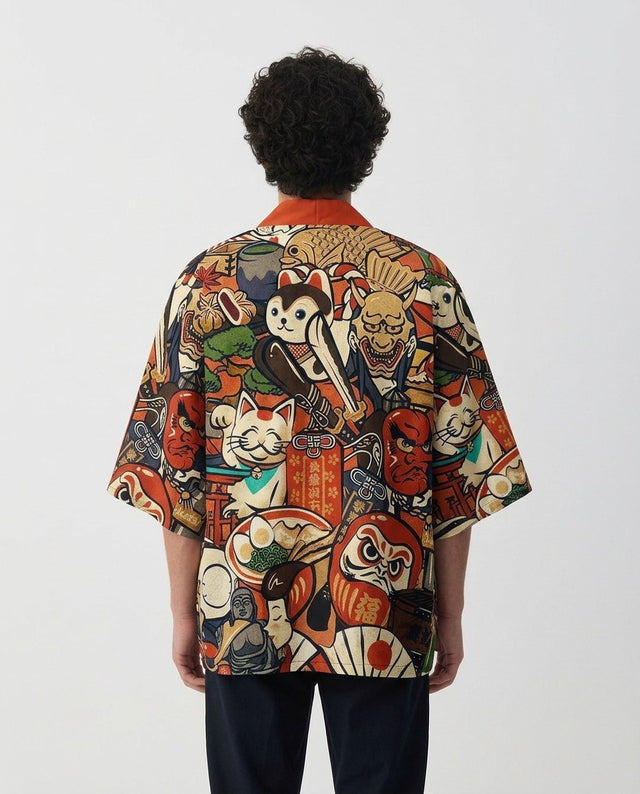






What Japanese men wore, cut for an ordinary day
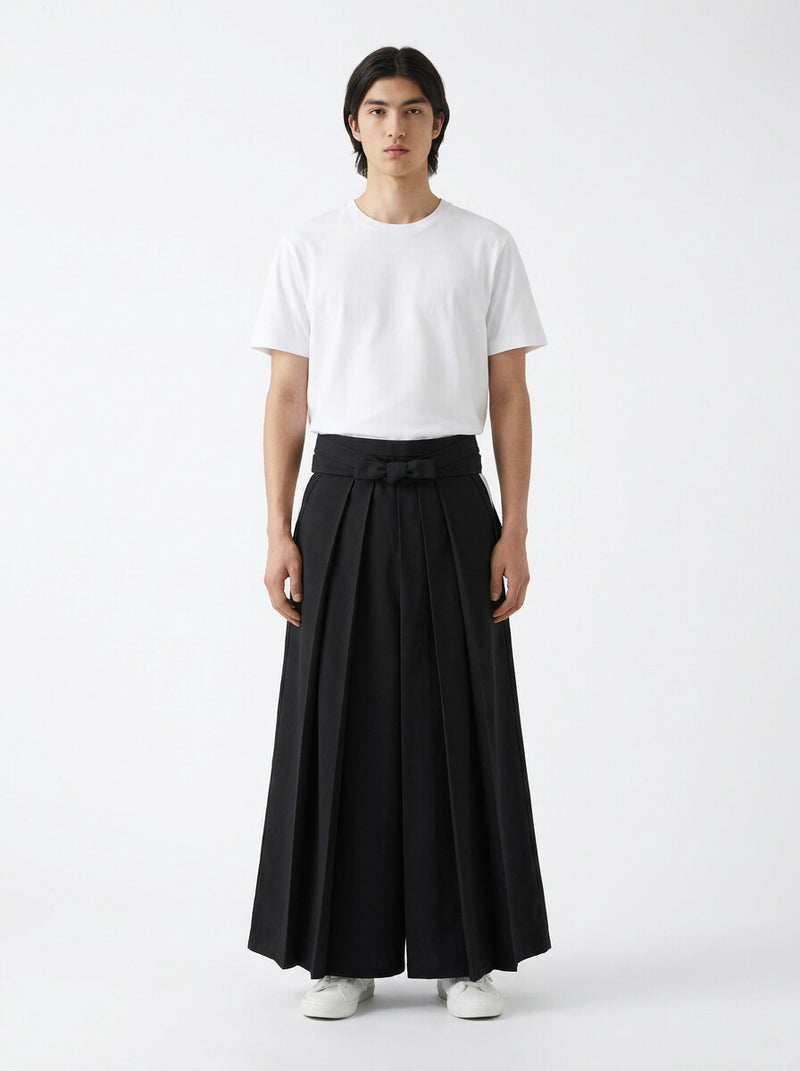
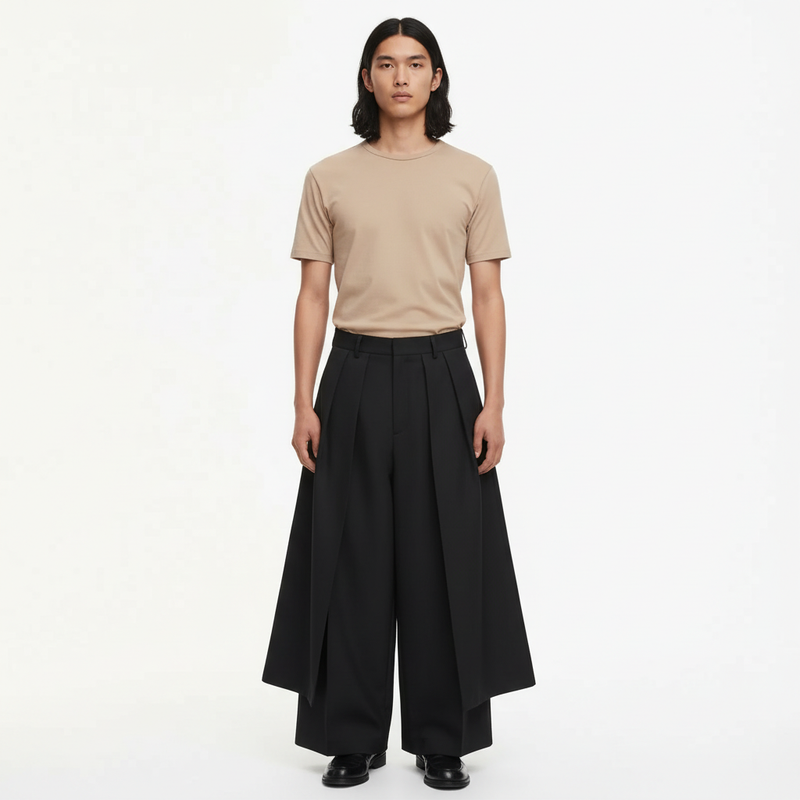
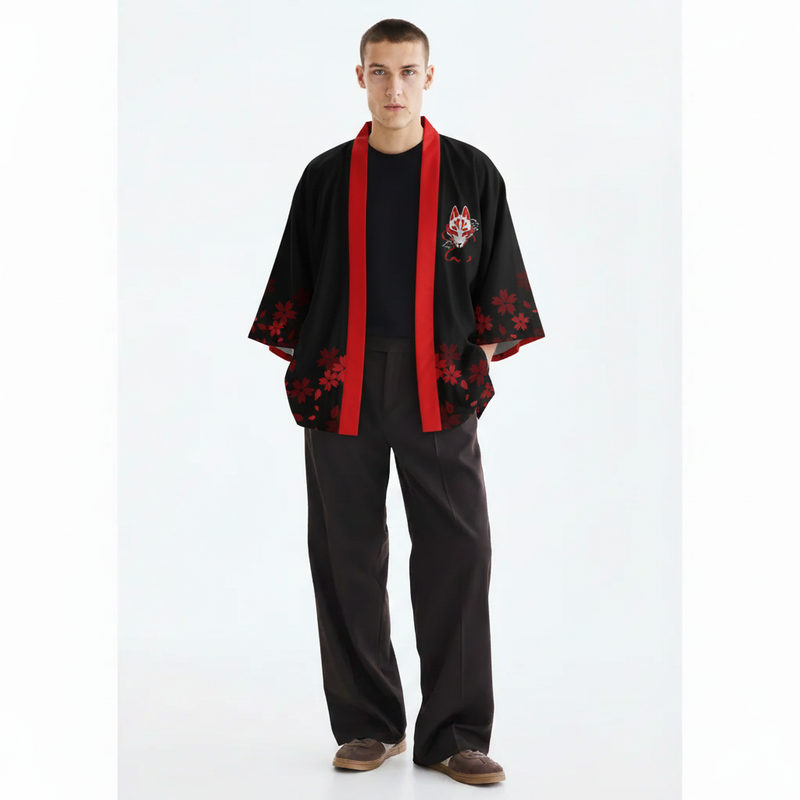
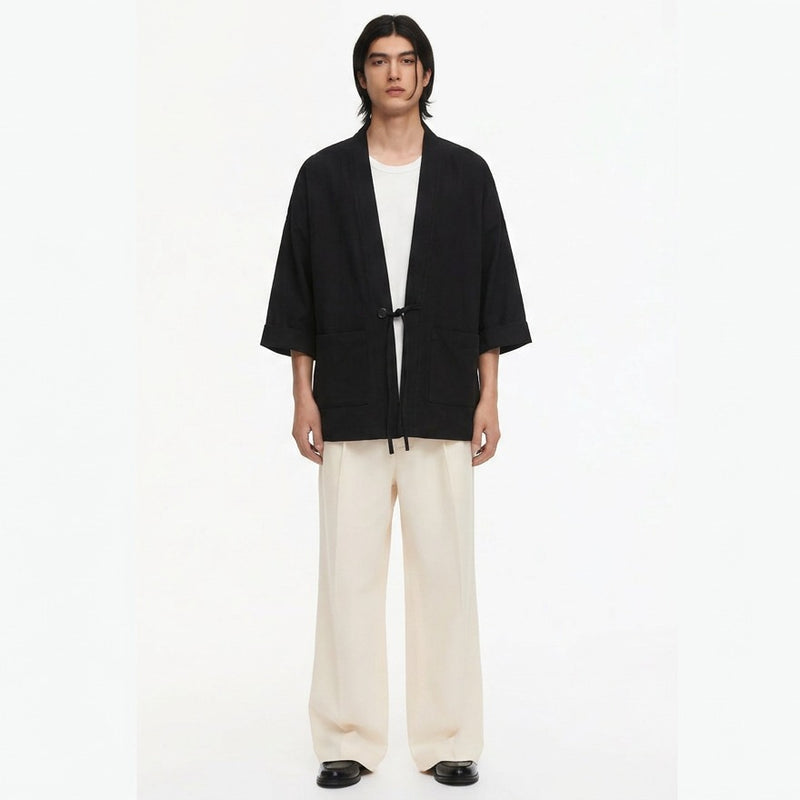
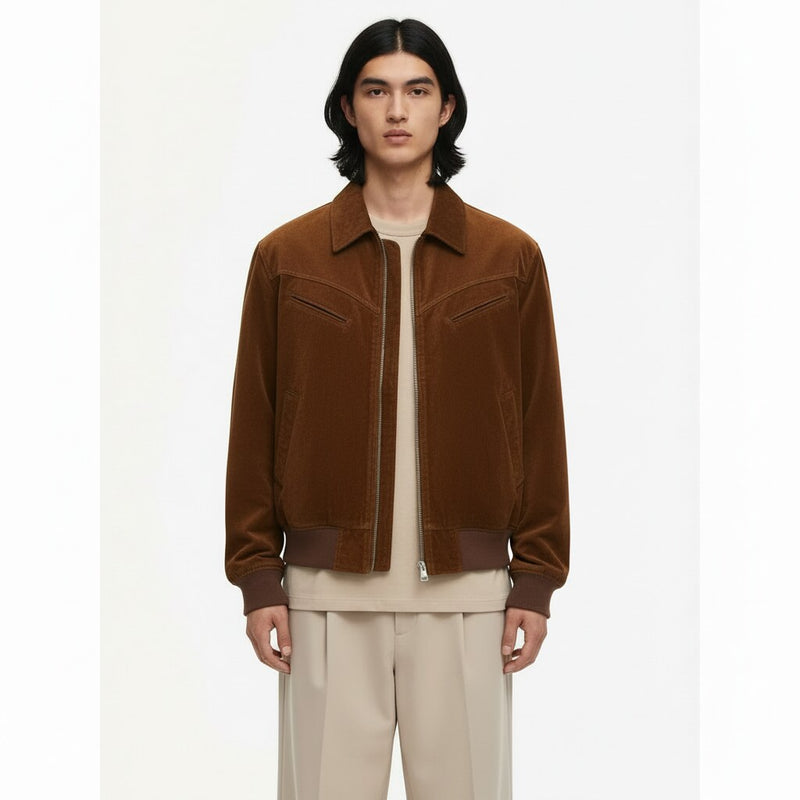
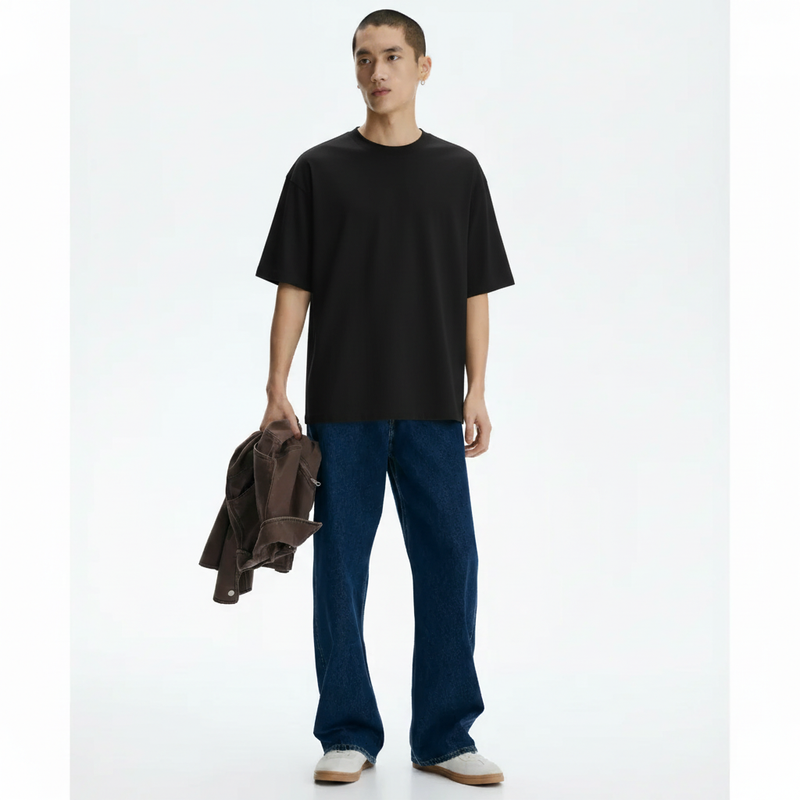
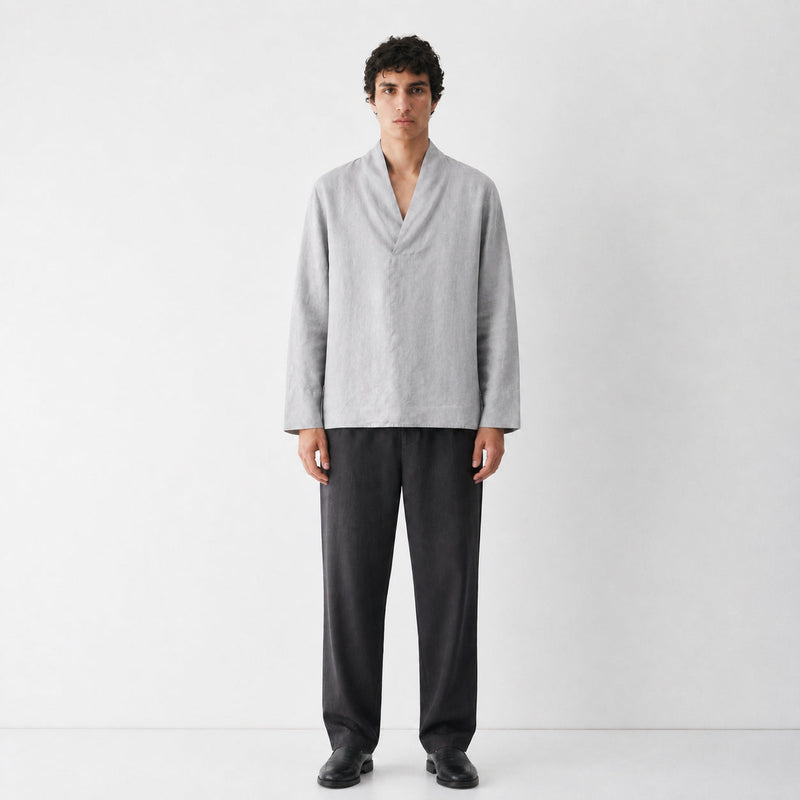
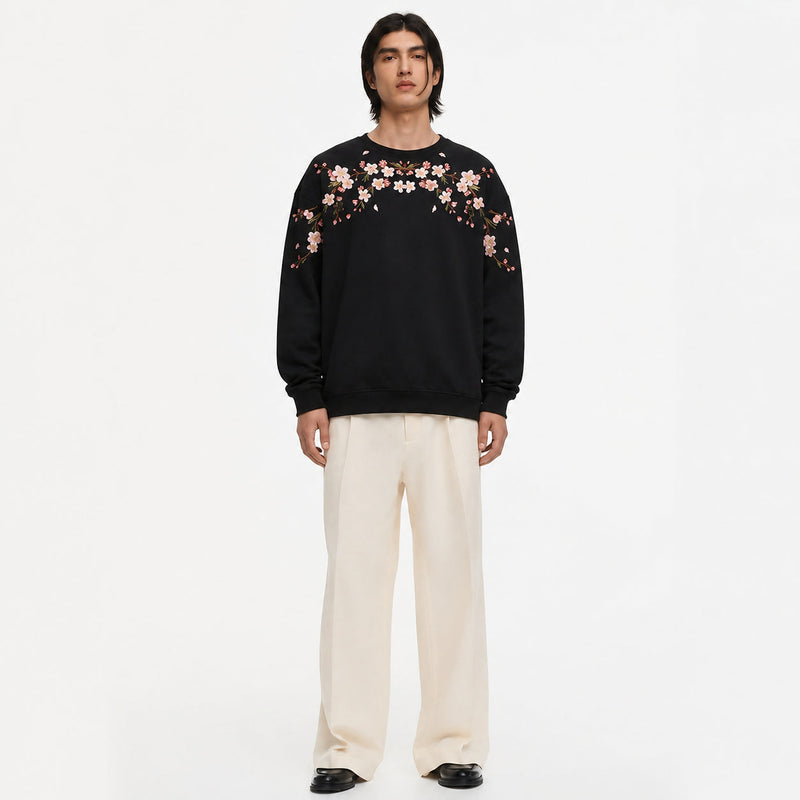
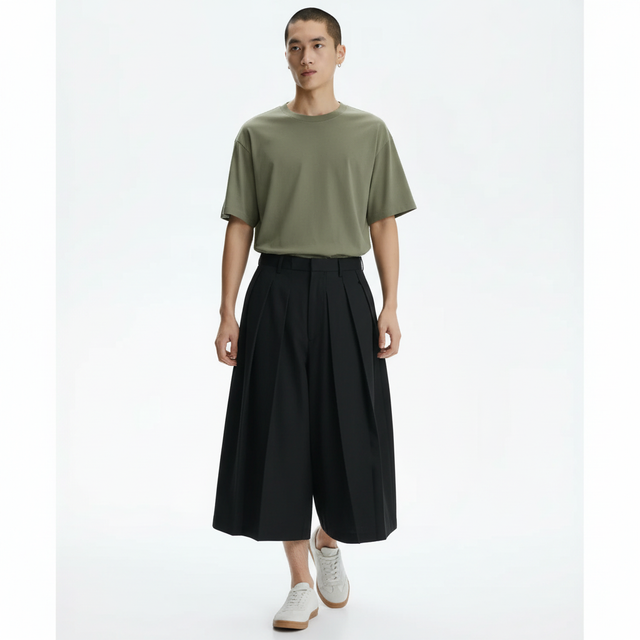
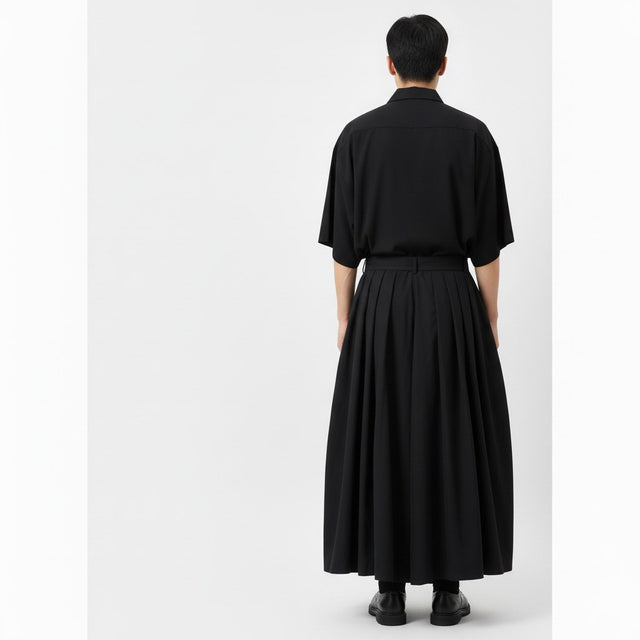
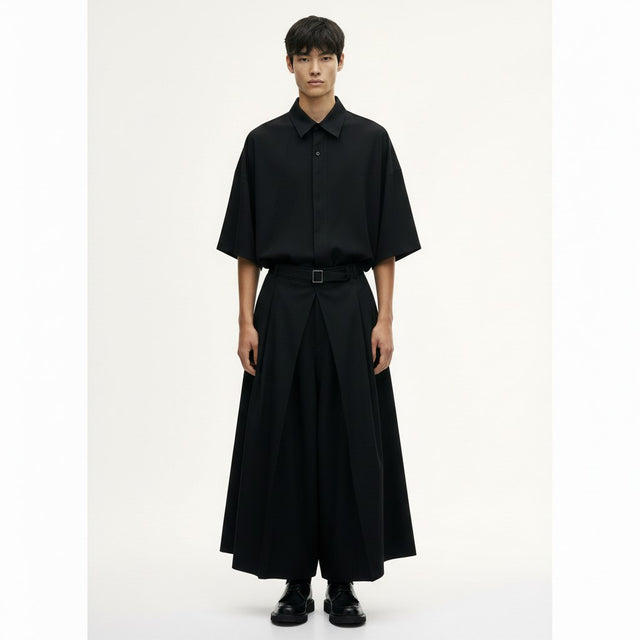
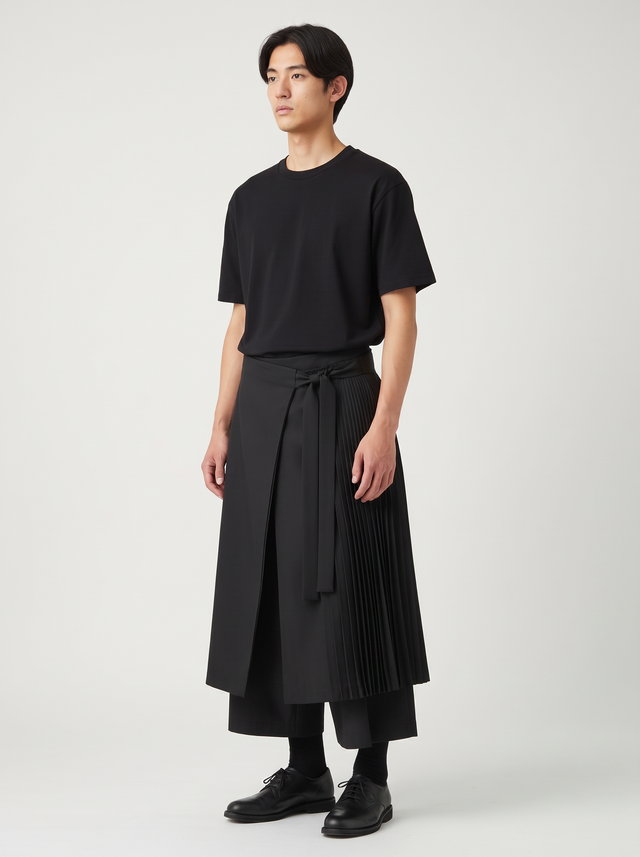
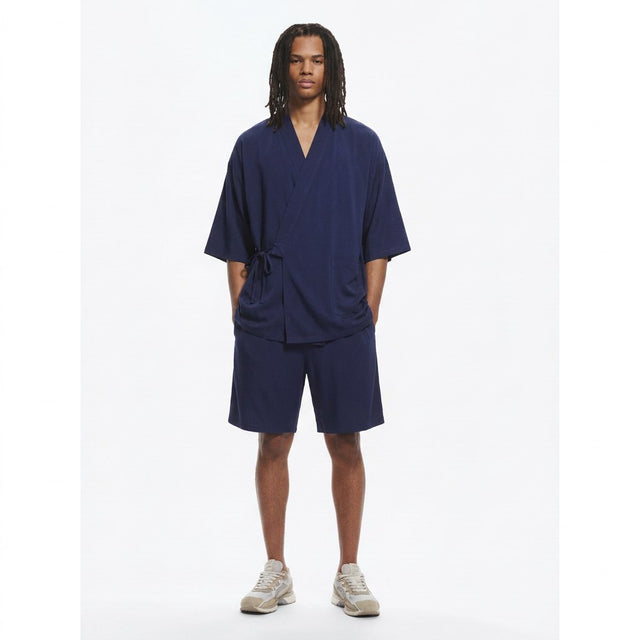
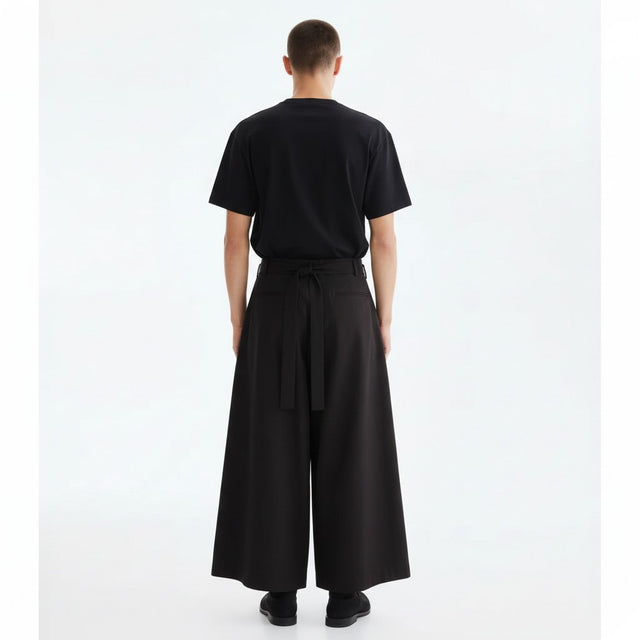
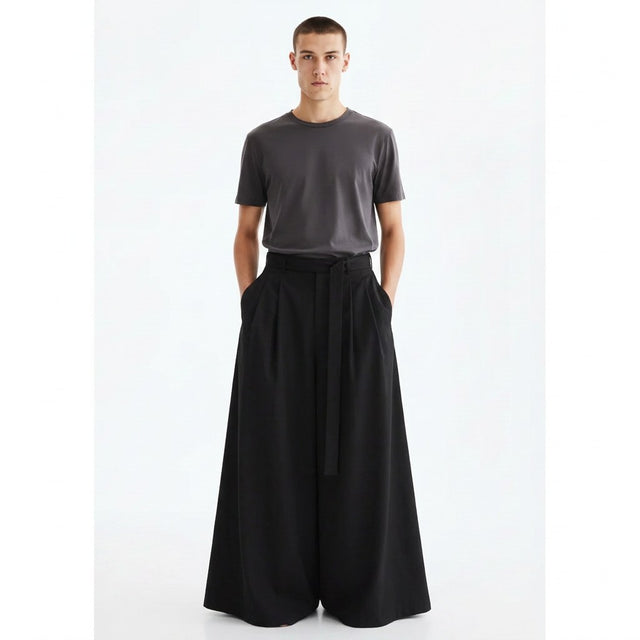
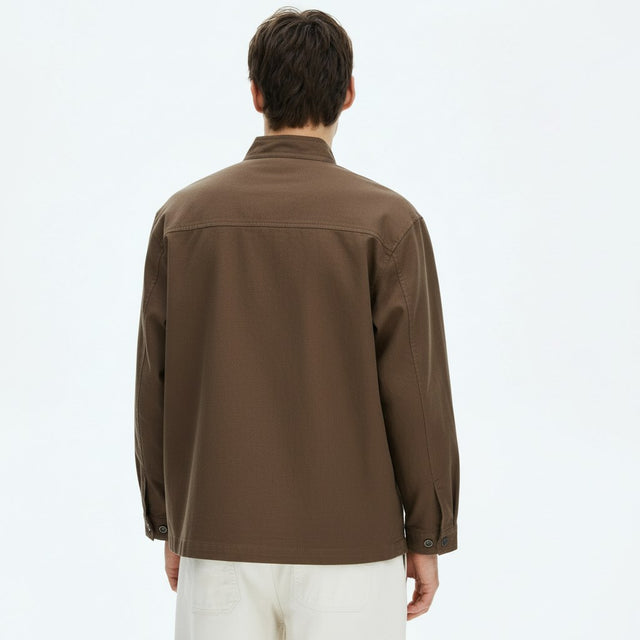
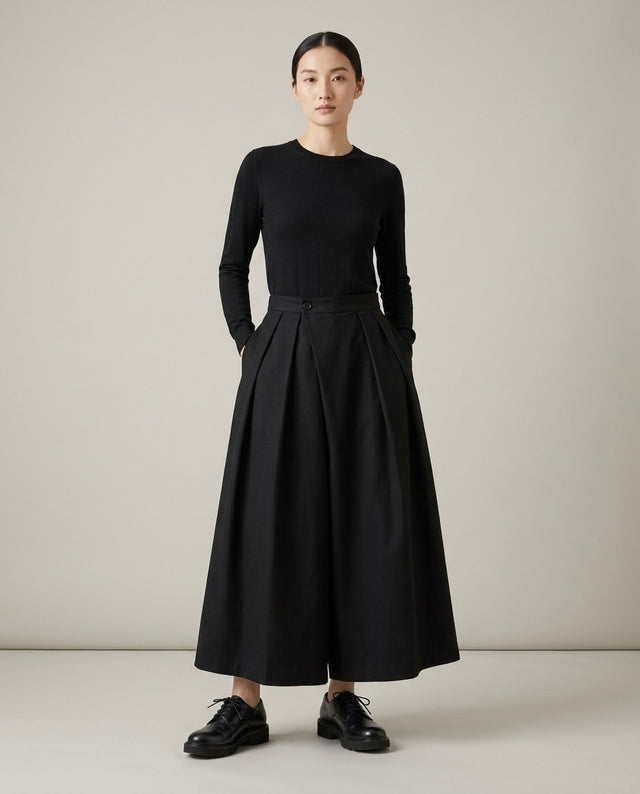
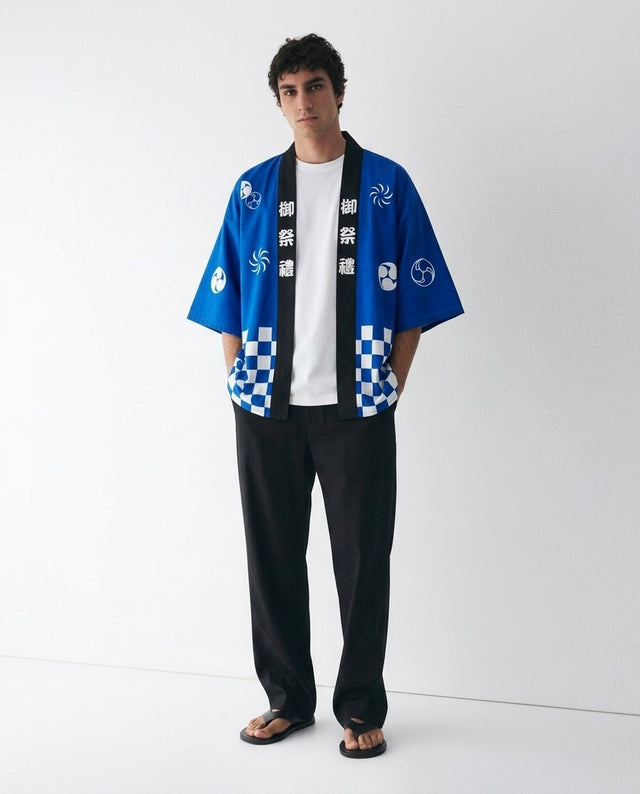
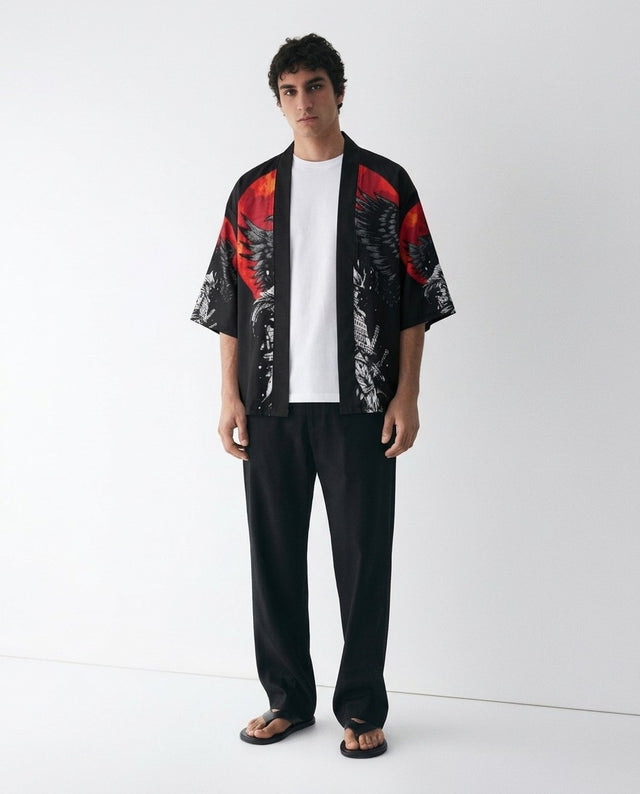
Most of what Japan's men wore for centuries still works with jeans and a plain tee. The cut carries it. Nobody needs a costume. This page holds 89 pieces from that wardrobe: hakama pants, haori and kimono jackets, noragi, jinbei and samue sets, yukata, hanten, happi coats and split-toe tabi socks.
Trousers, jackets and sets
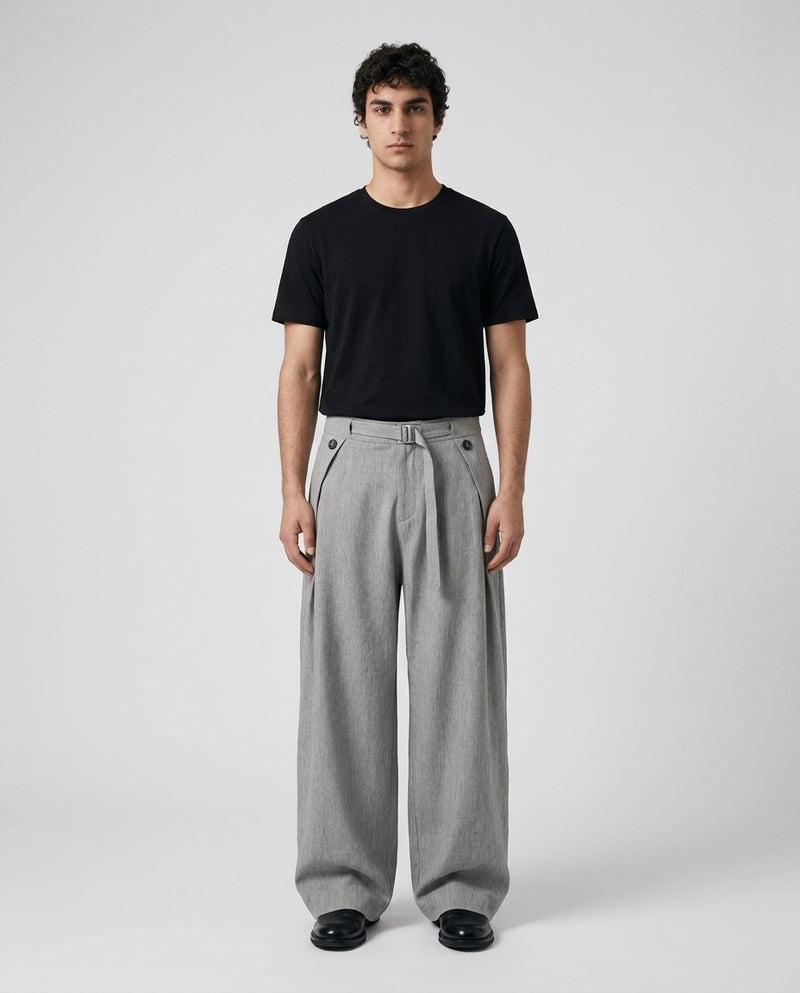
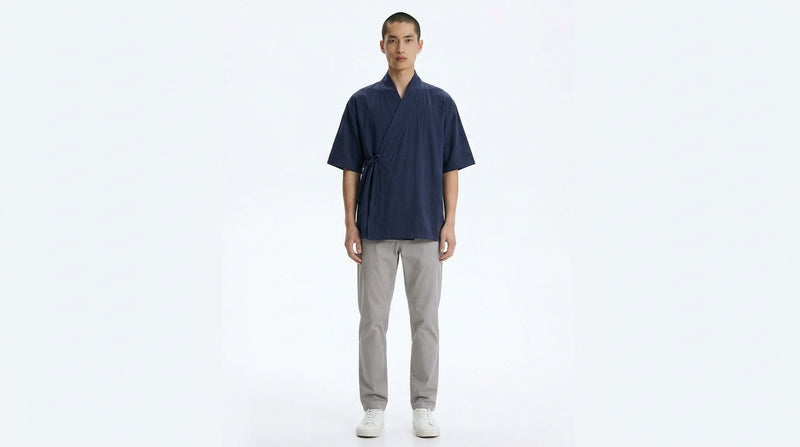
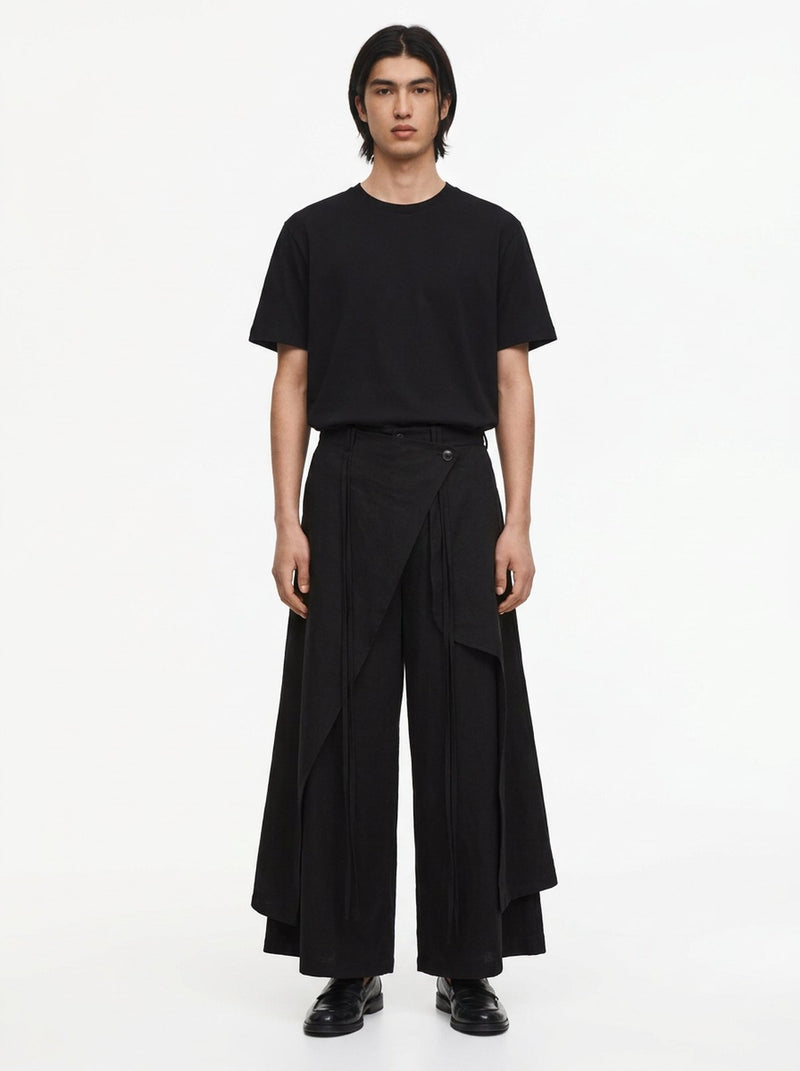
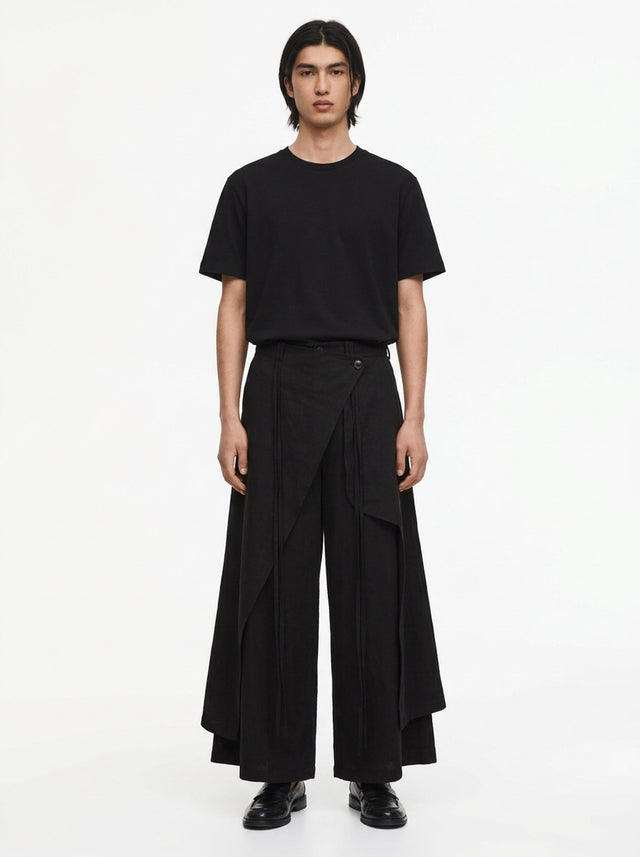
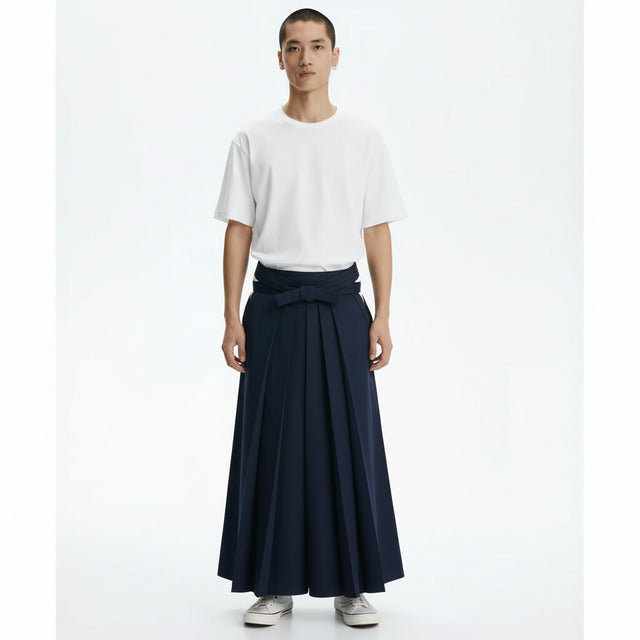
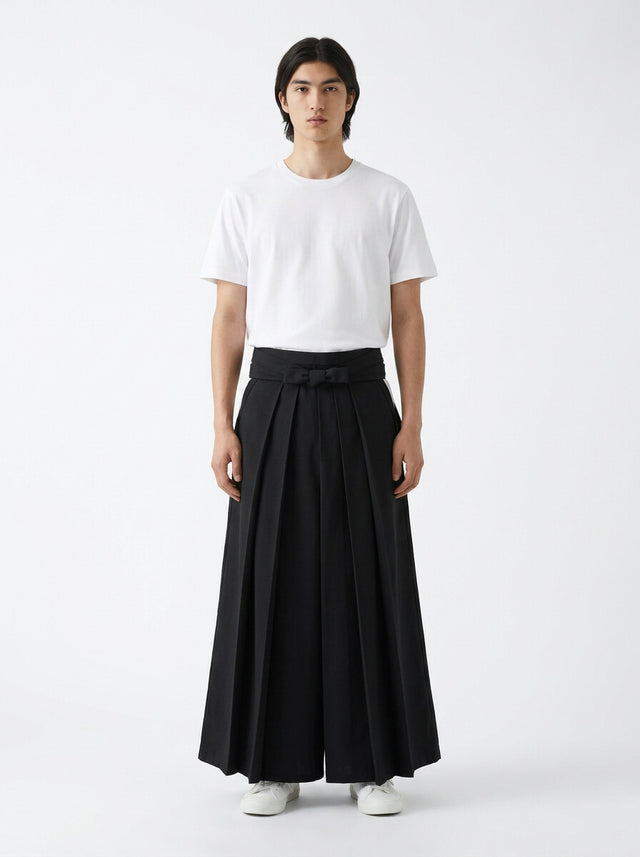
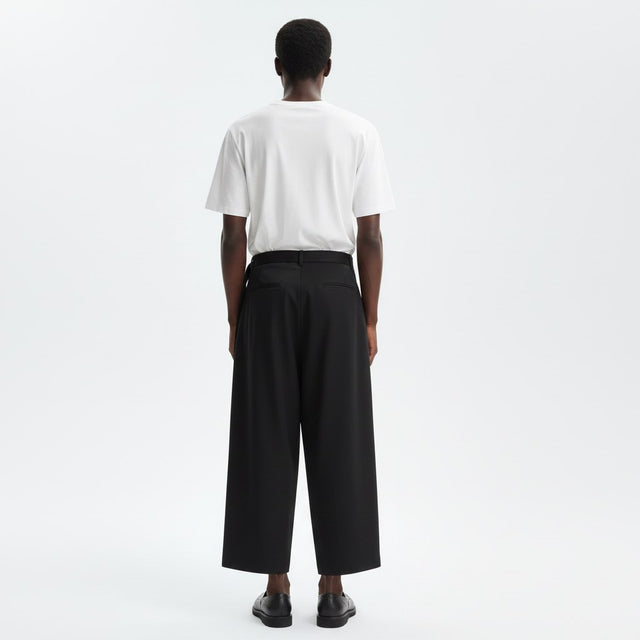
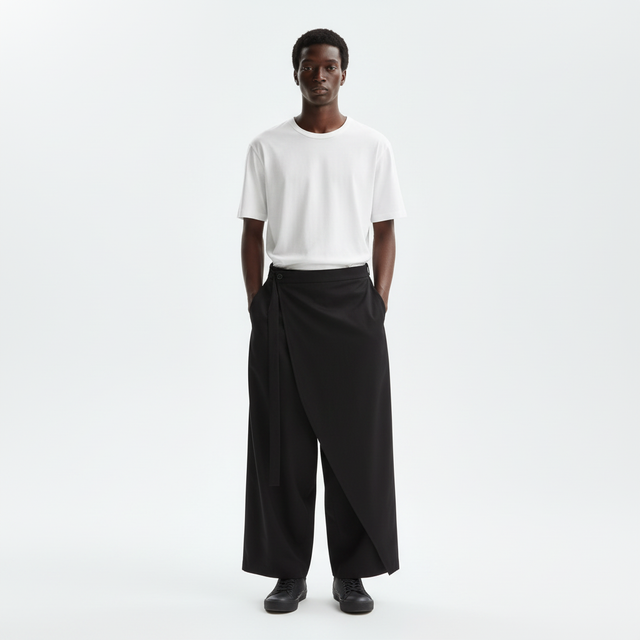
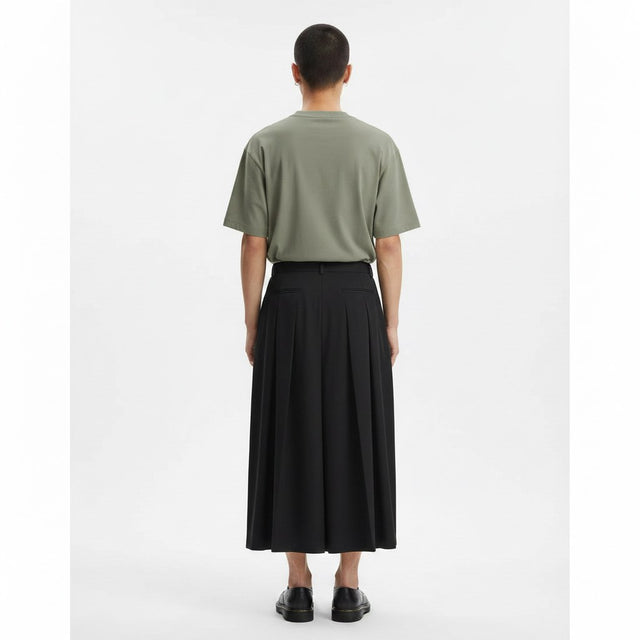
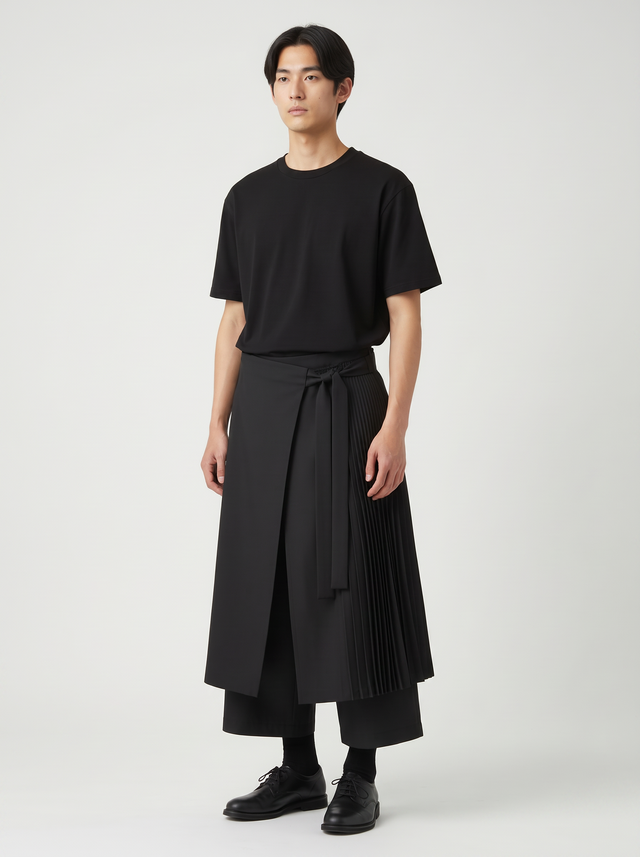
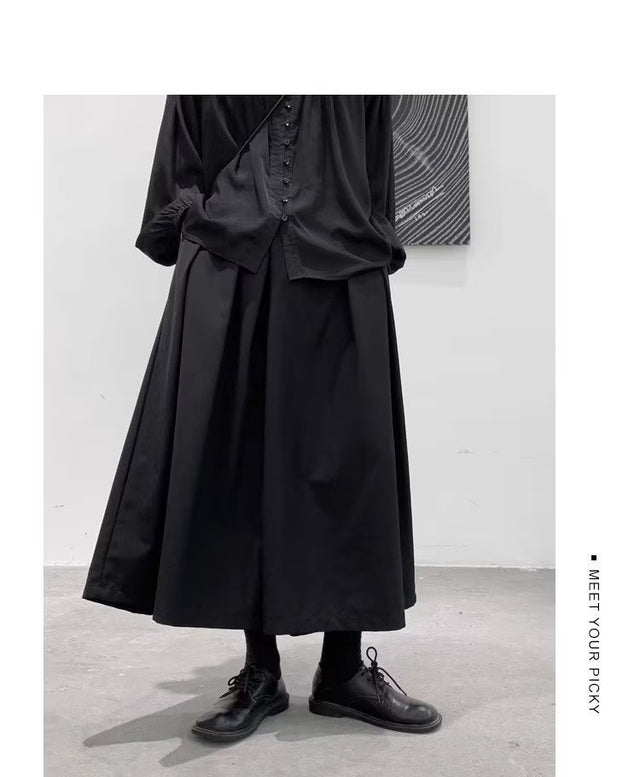
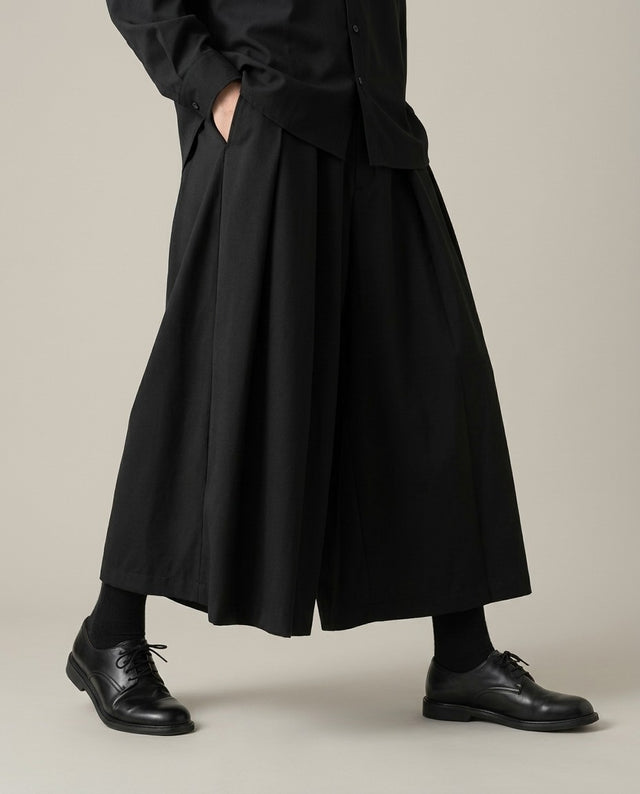
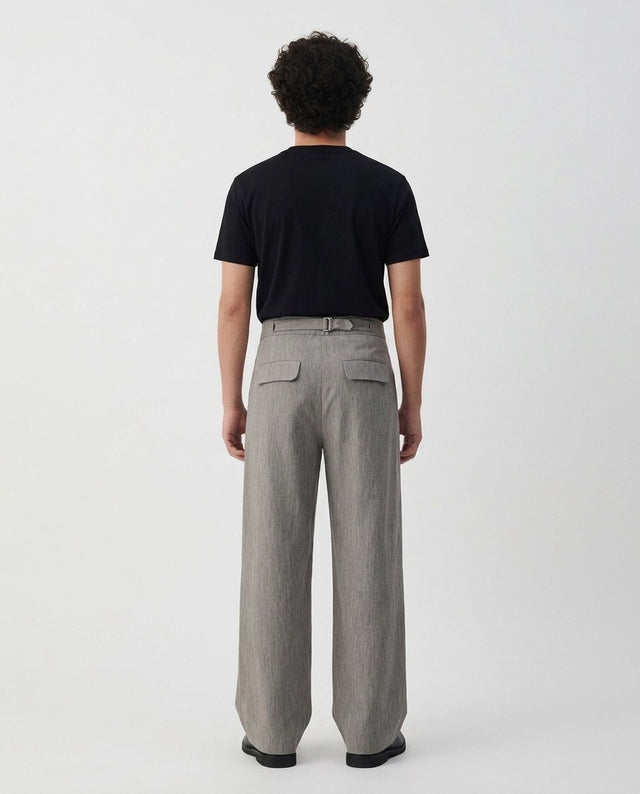
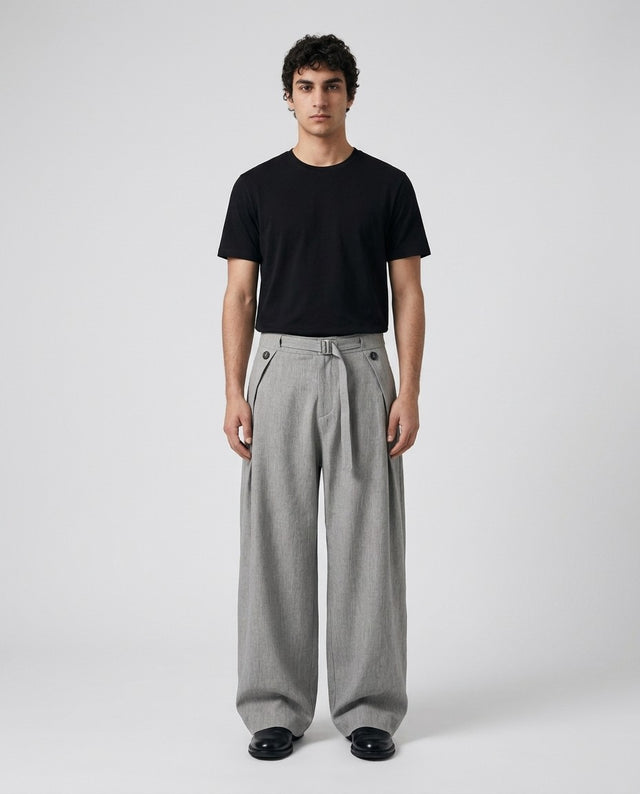
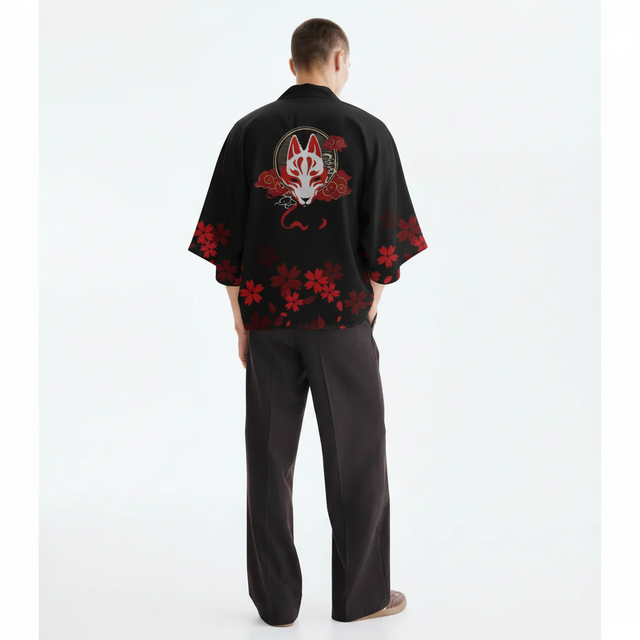
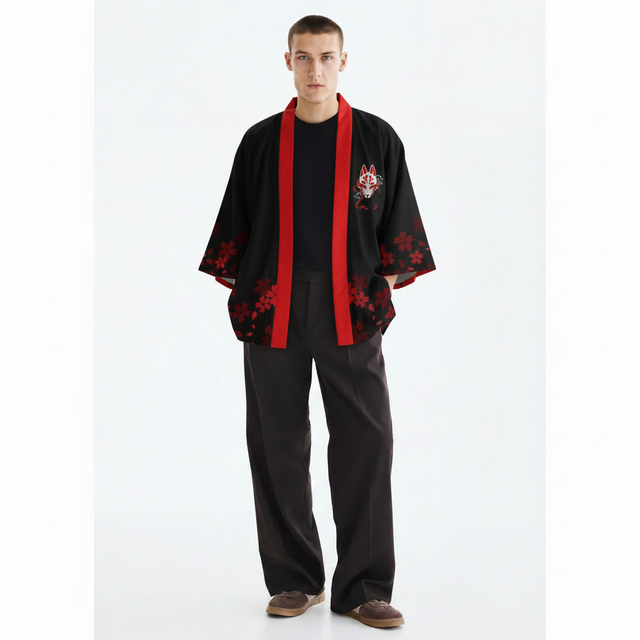
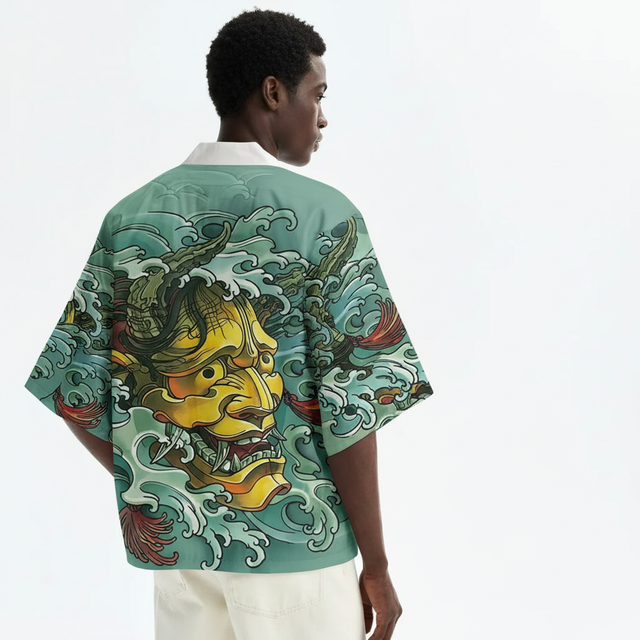
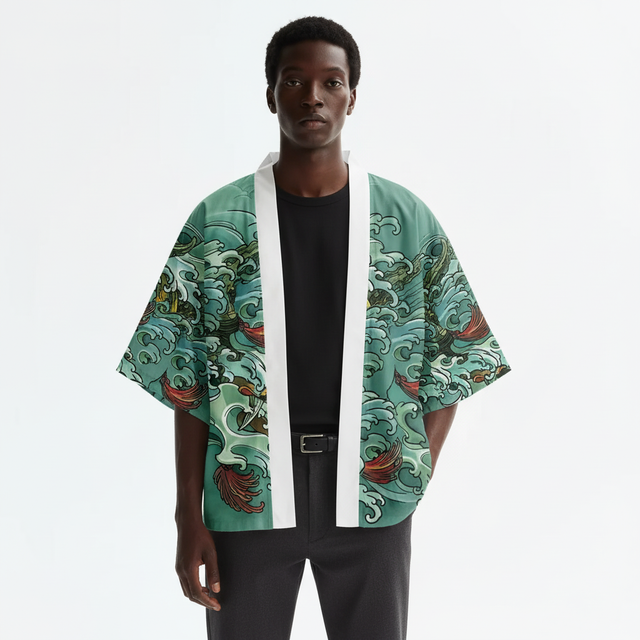
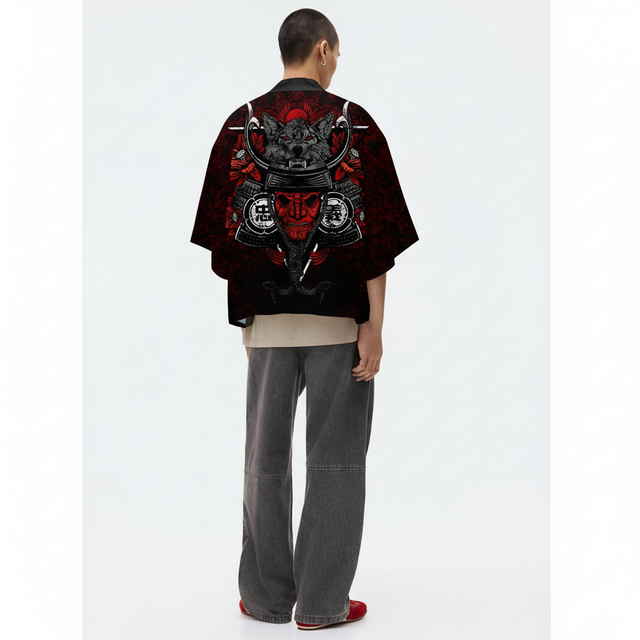
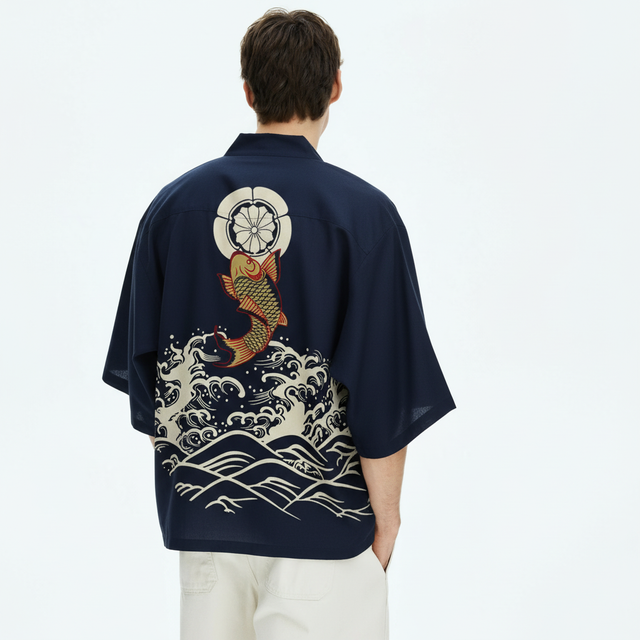
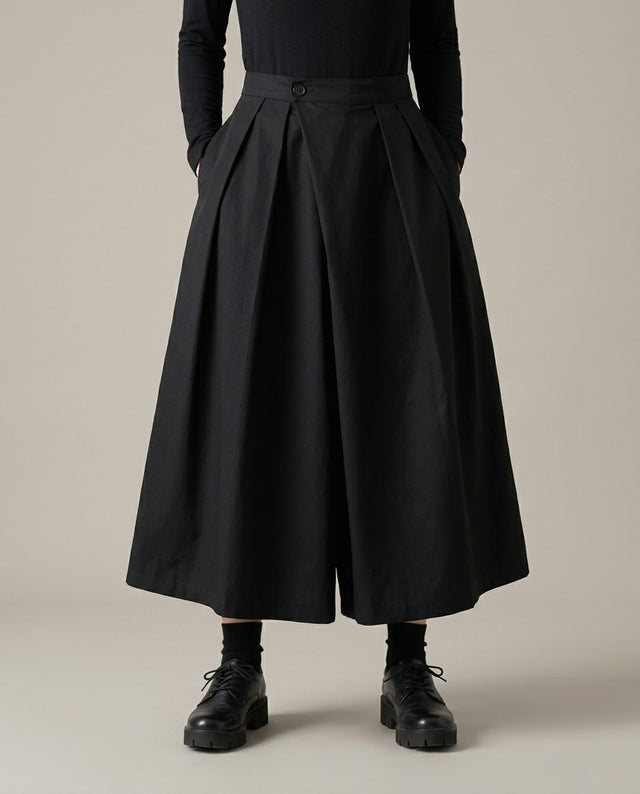
Start with the trousers. Hakama pants are the pleated wide trousers once worn over a kimono, cut here with tie, belt or elastic waists. Japanese work pants such as the balloon-leg tobi come from the building site. For the top half, a haori hangs open like an overshirt. A noragi ties at the front, and a kimono jacket sits between the two.
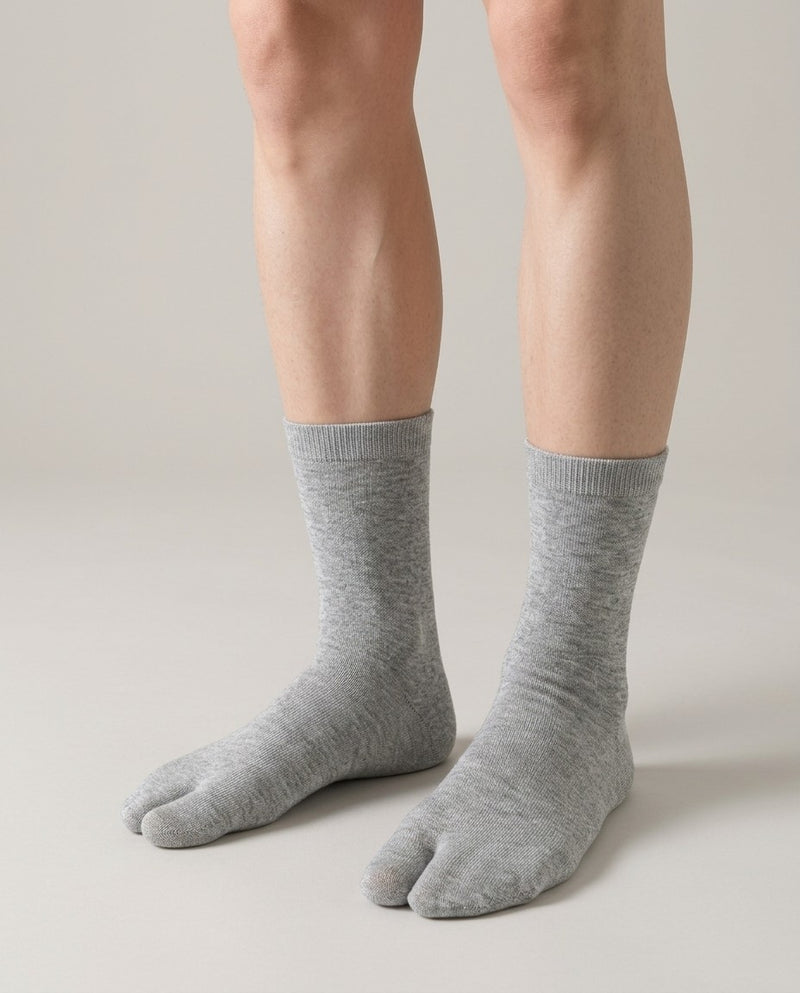
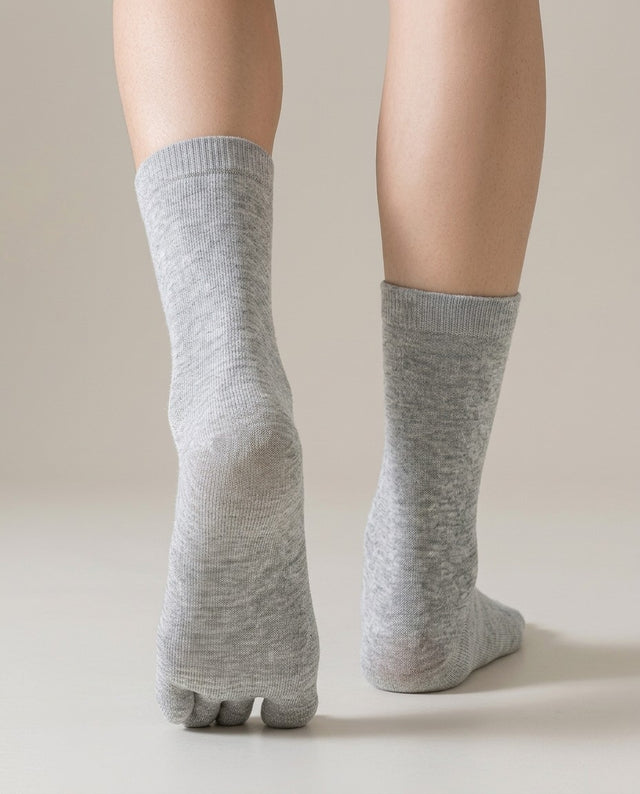
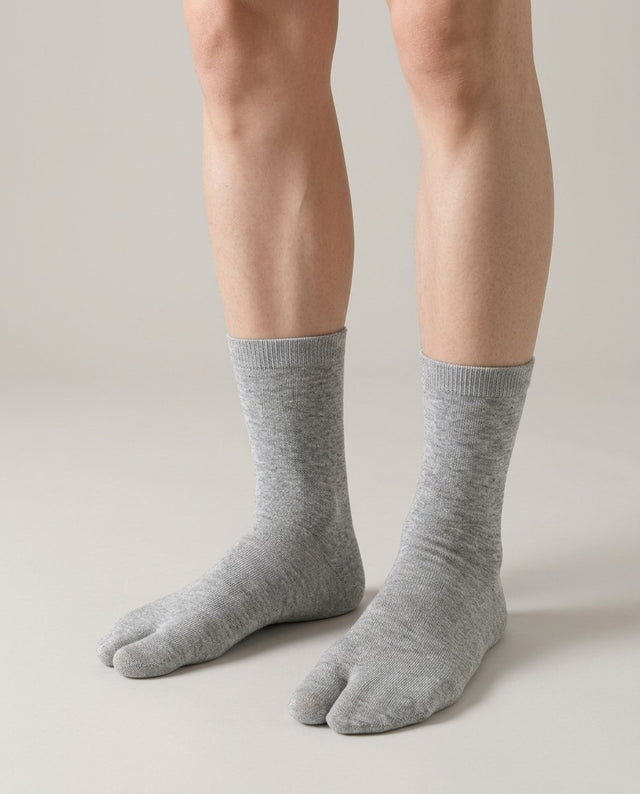
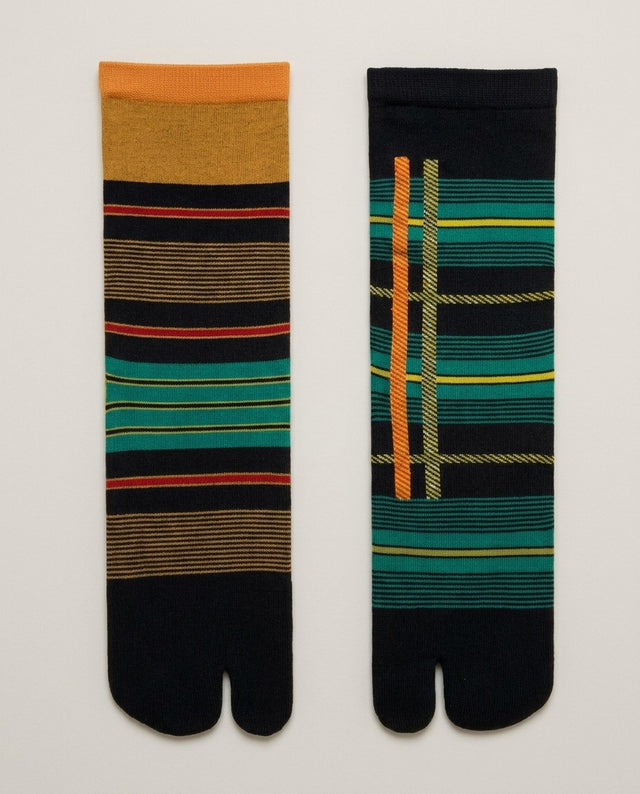
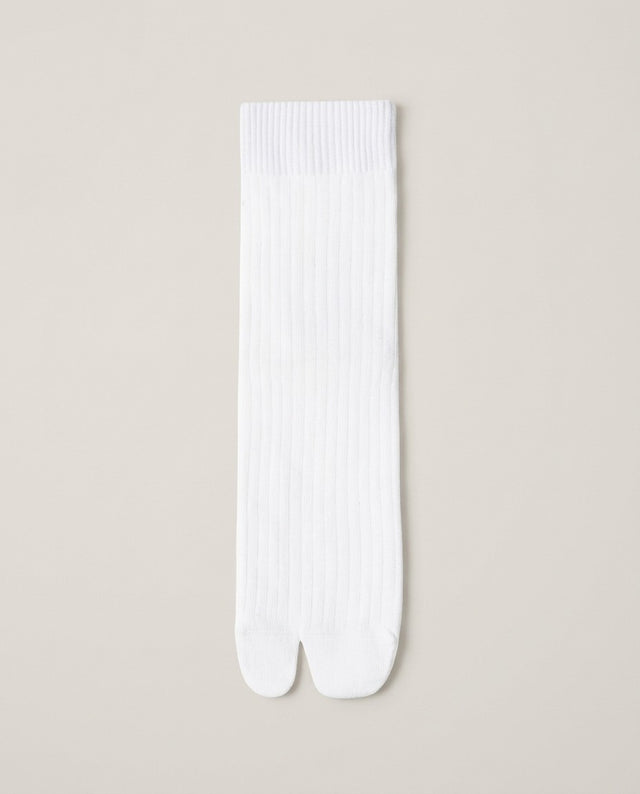
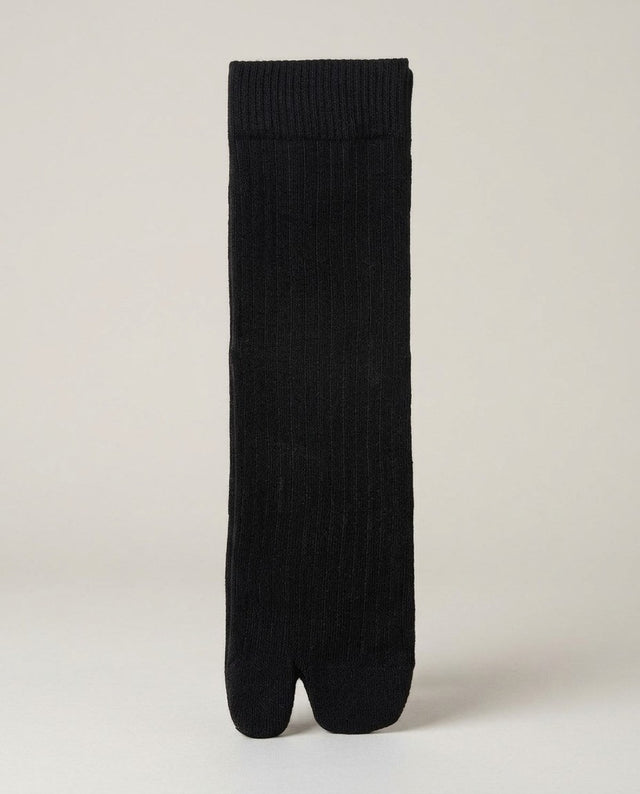
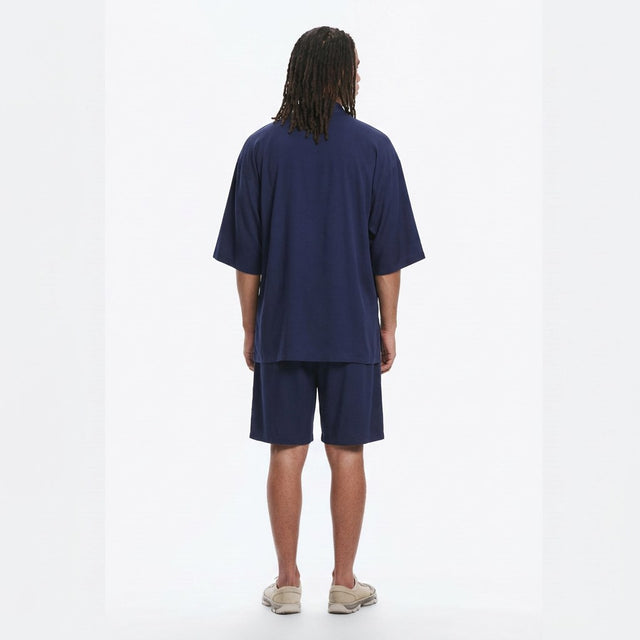
For home and hot nights there are jinbei sets, cross-tie samue and cotton yukata. Winter gets the padded hanten. Under all of it go tabi socks, with the big toe split off for sandals.
Sizing Japanese clothing on a Western frame
Japanese cuts run loose on purpose. Take your usual size. Then read the chest or hip figure in cm on each product page before you trust the letter. Sizes run from XXS to 5XL depending on the piece, and several hakama and haori are one size with ties. Wash cold and hang to dry. Heat is what shrinks cotton and linen.
One page for each garment
Every family above has its own page and guide. Our guide to Japanese clothing for men explains what each piece is and how to wear it. Thirty-six traditional garments and their names covers the rest.
Les mesures proviennent du tableau de tailles à plat du fabricant pour chaque vêtement, converties en centimètres et ramenées sur une même échelle de tailles. Disponible pour 46 vêtements sur 89 ici, vérifié le 2026-10-23. Notre méthode de mesure.
Questions fréquentes
What do Japanese men wear every day?
Mostly Western clothes. The traditional pieces that cross over best are hakama pants, haori and noragi jackets, jinbei and samue at home, and tabi socks.
Can I wear Japanese clothing if I am not Japanese?
Yes. These are everyday garments in Japan, sold to anyone. Worn with ordinary clothes they read as menswear, and nobody mistakes them for a costume.
How do Japanese sizes compare to US sizes?
Most pieces here are cut loose, so take your usual size and check the chest or hip in cm on the product page. One-size hakama and haori adjust with ties.
Where should I start with Japanese clothing?
With tabi socks, then a pair of hakama pants. Both work with clothes you already own.