






Tabi socks get filed next to toe socks, and the two are not the same thing. A toe sock has five separate compartments and looks like a glove for your foot. A tabi sock has one split, between the big toe and the other four, and from a metre away it looks like an ordinary sock. The difference is not cosmetic: the single split exists for a specific job, and five compartments cannot do that job any better.
What a tabi sock actually is
Tabi is the Japanese sock with a divided toe. The big toe sits in its own pocket, the remaining four share the other, and the seam between them runs back to about the ball of the foot. Traditional tabi are stiffer, cut from woven cloth and fastened up the ankle with metal clasps called kohaze. What most people buy now is the knitted version, which behaves like a normal sock everywhere except the toe.
Why the toe is split
Because of the sandal. Zori and geta, the traditional Japanese sandals, are held on by a thong that passes between the big toe and the second toe. In a normal sock there is nowhere for that thong to go, so you are choosing between the sandal and the sock. The split solves it, and it is the whole reason the shape exists.
The split did not stay indoors. Jikatabi, the split-soled boots Japanese builders, gardeners and scaffolders still wear on site, carry the same divided toe into work footwear, on the argument that a big toe working independently gives you better feel and grip on an uneven surface.
Tabi versus five-toe socks
Five-toe socks are a Western design aimed at blister prevention and toe spread, and they are usually bought to be worn inside a running shoe. Tabi are a footwear system: they exist because of what goes on over them. If you want to wear a thonged sandal with socks on, you want tabi and not toe socks. If you want to stop your third and fourth toes rubbing on a long run, the five-compartment version is the one built for that.
How they wear day to day
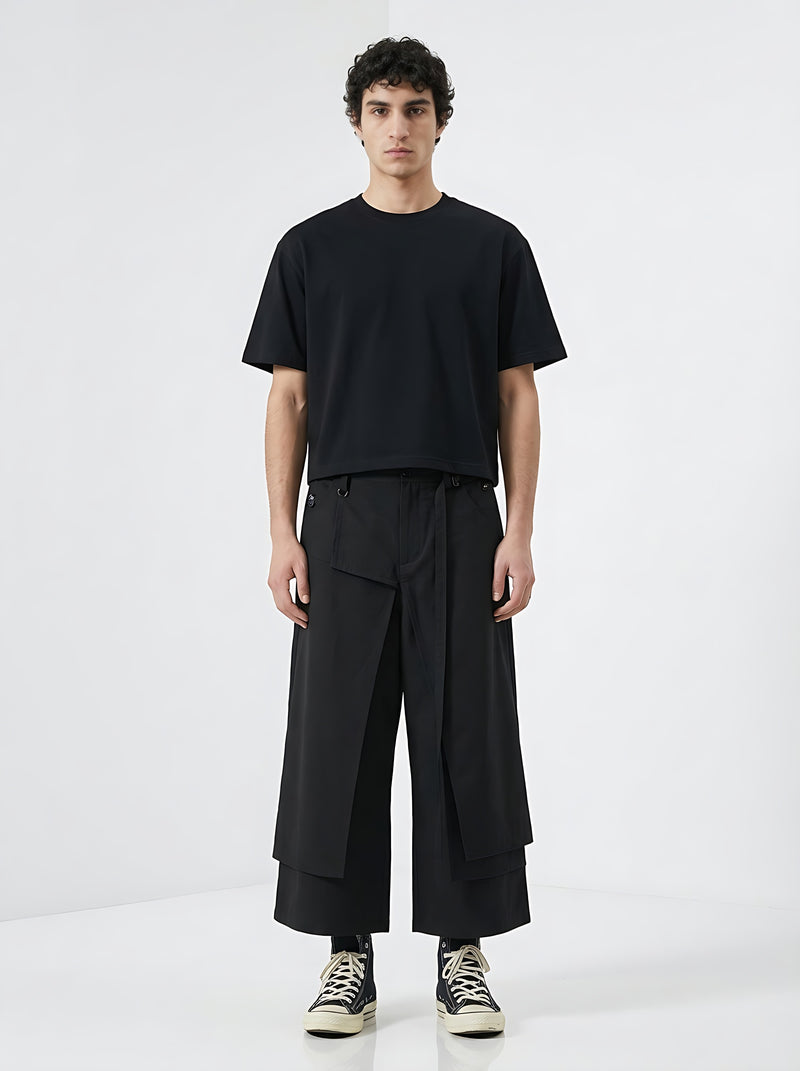
Worn inside a closed shoe nobody knows they are on. The split makes itself felt for about a day and then stops being noticeable, in the same way a thumb in a mitten stops being noticeable. The part that shows is the cuff, so on a mid-calf sock the length matters more to an outfit than the toe does - under a cropped or wide trouser the sock becomes a visible band, which is either the point or something to avoid depending on the trouser.
What to look for
The toe seam is the part that fails. A split-toe sock has a seam running through the highest-wear area of the whole garment, so a reinforced toe is worth more here than it is on a normal sock. After that it is the usual: a cotton rich yarn if you want it to breathe, a ribbed cuff tight enough to hold at the calf without leaving a mark, and a split positioned to match where your own toes divide - a split cut too shallow sits across the big toe instead of beside it.
What we stock
One pair, in Tabi Socks: a knitted split toe in a cotton rich yarn, mid calf, with a reinforced seam across the toe and a ribbed cuff. They are grey, they are one size, and they are $9.90. One size is the real constraint to know about before ordering - the knit carries a normal range of adult feet but there is no small or large to pick between, and the split sits in a fixed position.
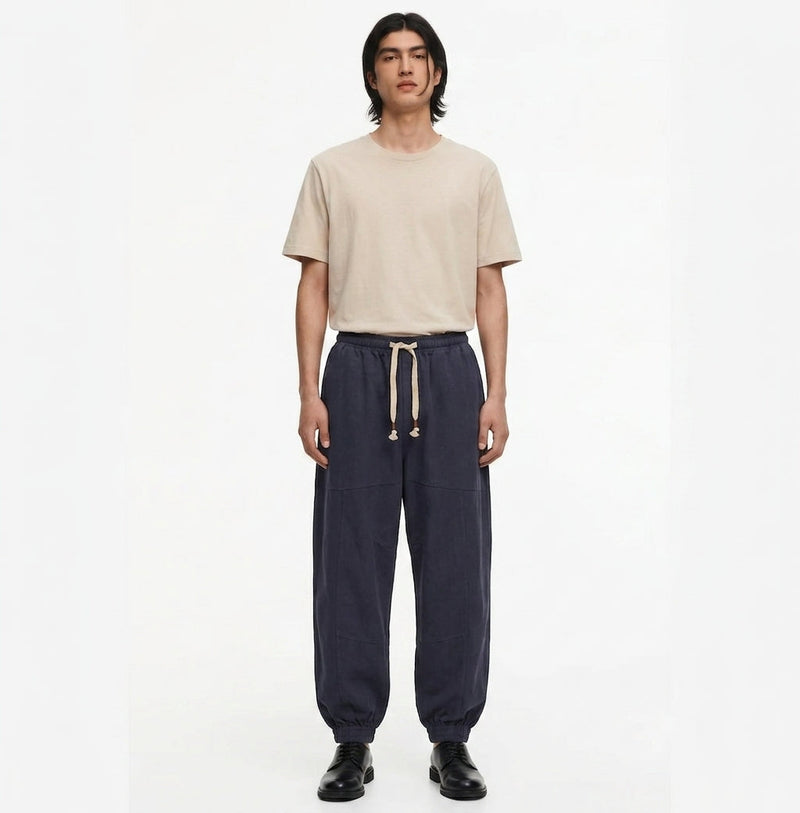
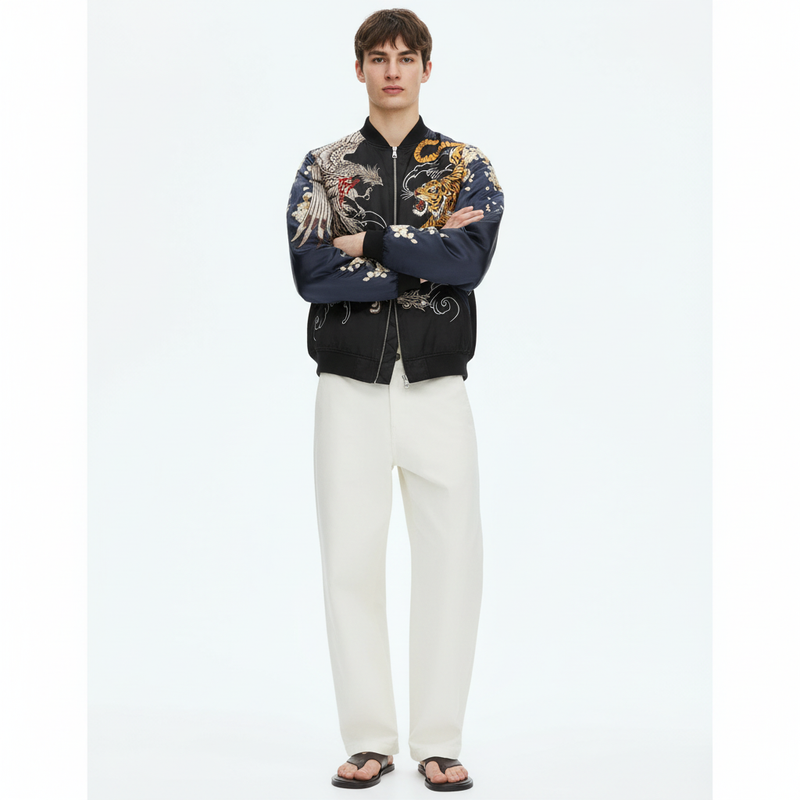
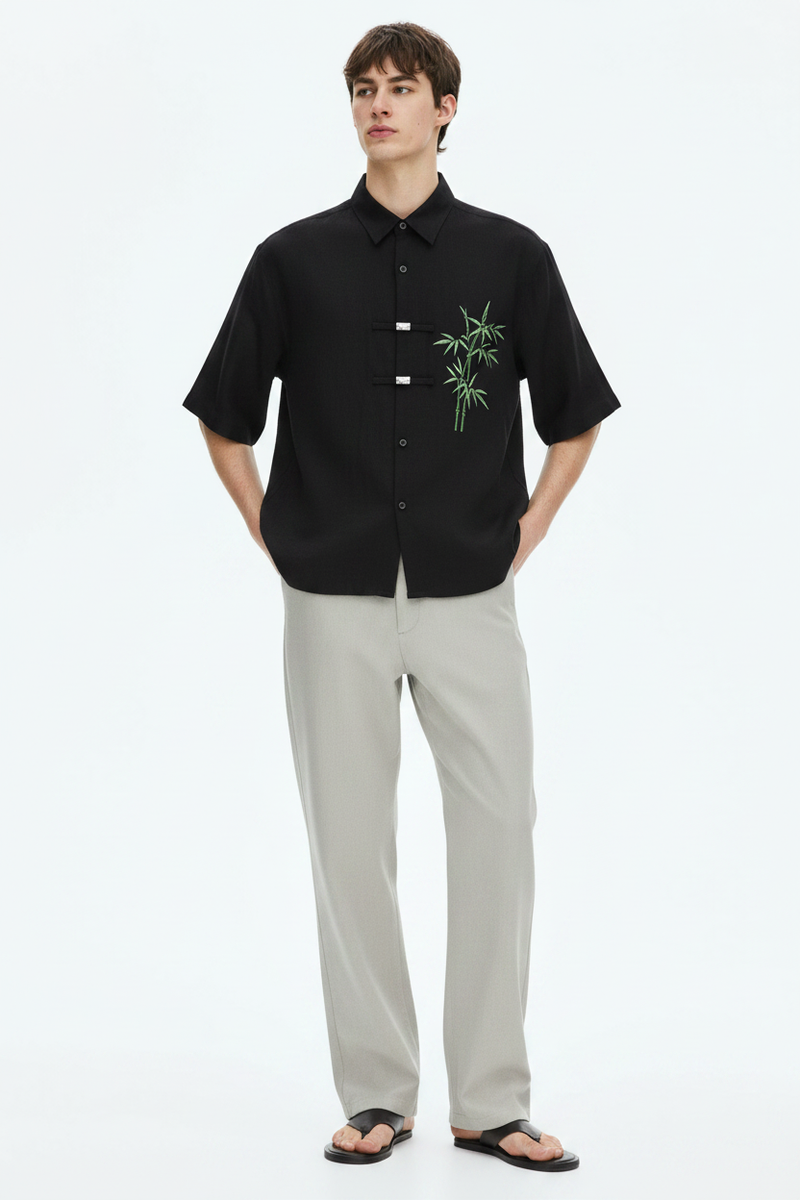
They sit with the rest of the small range in Accessories. If you are putting an outfit round them, the mid-calf cuff reads best under something with a shorter or wider leg - Japanese pants, harem pants or wide-leg trousers - and the same wardrobe carries through to Japanese jackets.
So should you buy a pair
If you wear thonged sandals and want socks on, tabi is the only sock that works and the decision is already made. If you do not, they are a mid-calf cotton sock with an unusual toe, and whether that appeals is a question about how you feel with a seam between your toes - which, for most people, is a day of noticing and then nothing. Cotton care is the same as everything else in the range, covered in care instructions for cotton, with the one addition that turning them inside out protects the toe seam.