







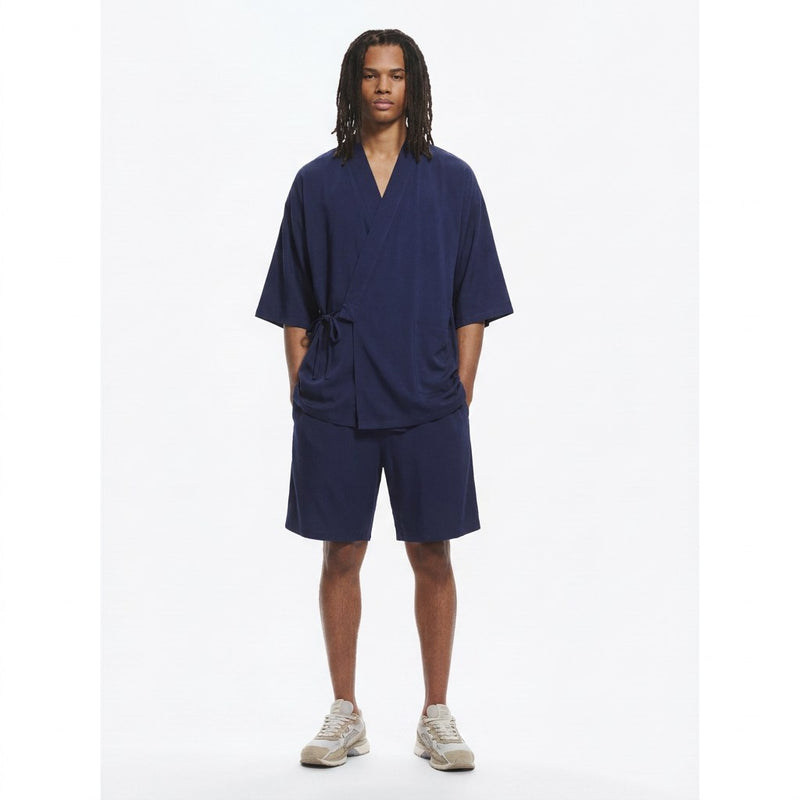

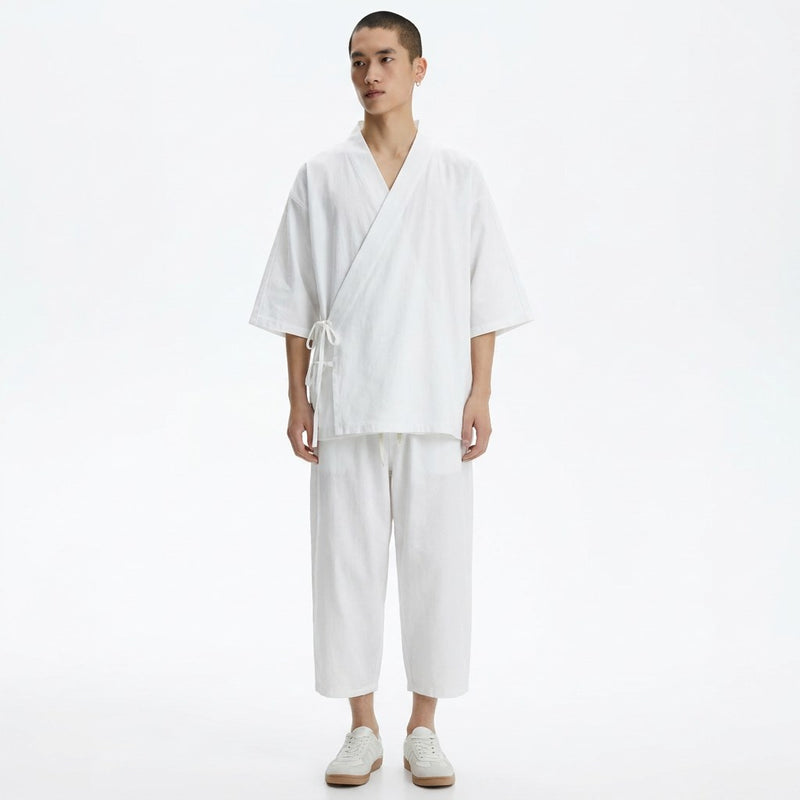
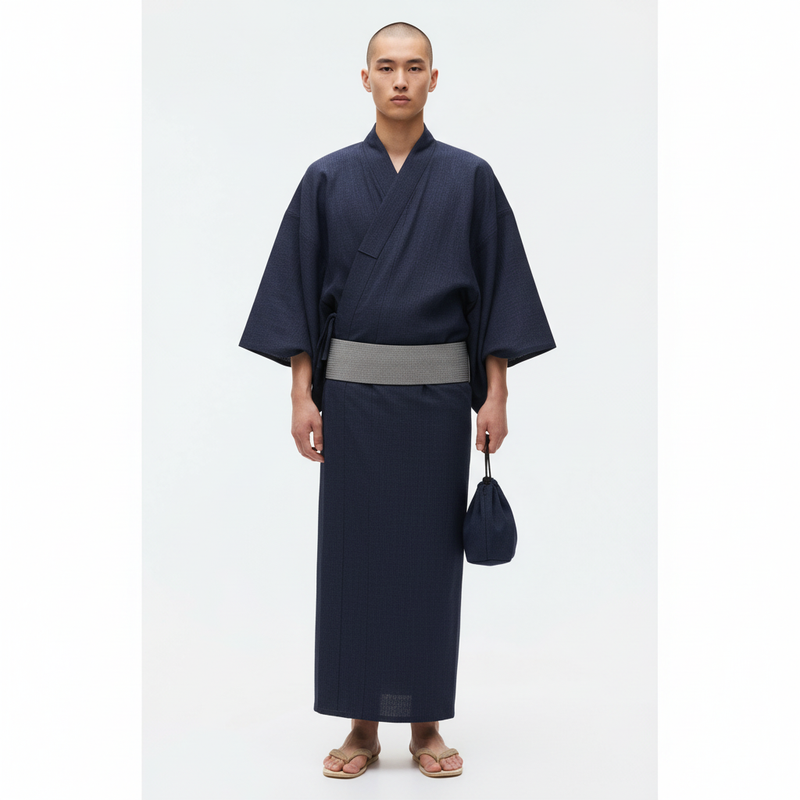
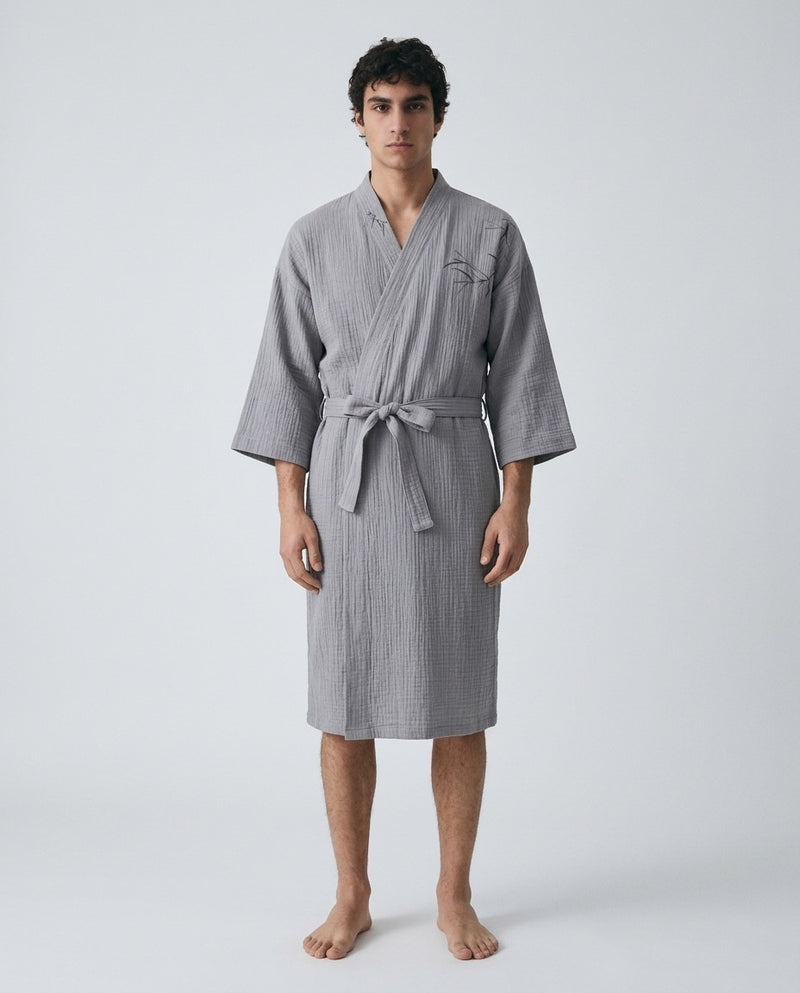

To wear a jinbei (甚平), the two-piece Japanese summer set of a crossed top and matching shorts or trousers, put the pants on first. Then close the top left over right: tie the inner tie at your left side, then the outer tie at your right hip, and let the top hang loose over the waistband. Add sandals and you are dressed. The sets we sell are in our jinbei collection.
There is no strict dress code beyond the wrap direction. In Japan a jinbei is house and neighborhood wear for hot evenings. Our guide to what a jinbei is covers the background, as does Wikipedia's jinbei entry.
How to wear a jinbei, step by step
- Pants first. Step into the shorts or trousers and pull the drawstring or elastic snug at your natural waist.
- Right panel under. Put the top on and bring the right front panel across your body. Tie its himo (紐), the cloth tie, to the small tie sewn inside the left side seam. A plain bow is enough.
- Left panel over. Lay the left panel on top and tie the outer pair at your right side, again with a bow.
- Square the collar. Tug both front edges down so the neckline forms an even V at your chest. If it keeps sliding open, retie the inner tie a little firmer.
- Leave the hem out. Nothing gets tucked in. The top hangs straight to about hip level.
Some modern sets close with one pair of ties or a snap. The rule stays the same: right side underneath, left side on top.
Left over right, the one mistake people notice
Japanese wrapped clothing closes migi-mae (右前), literally "right front," meaning the right panel goes on first and sits against your body. The reverse is how the dead are dressed for a funeral, so it is the one error people in Japan will spot right away. A quick check: you should be able to slide your right hand into the opening at your chest, like reaching for an inside jacket pocket. The same rule applies to a yukata (浴衣), the light summer robe, which we cover in our yukata guide.
Getting the fit right
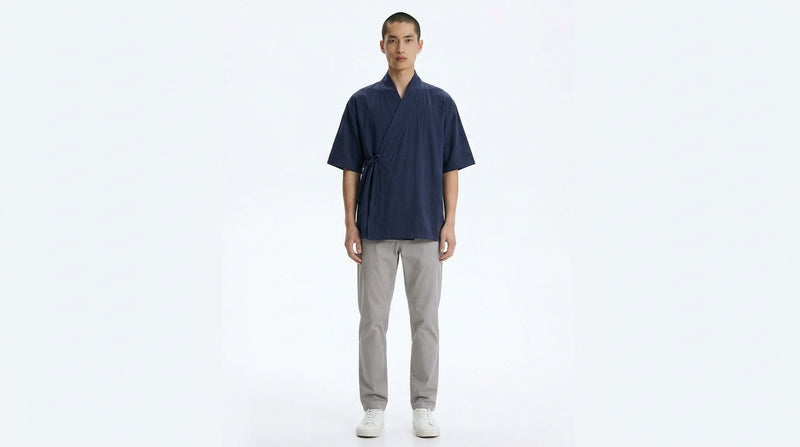
The cut is wide on purpose so air can move through the sleeves and body. Sleeves usually stop near the elbow. The top should cover the waistband and land around your hips, and with the ties done you should be able to slide a flat hand between your chest and the fabric. Shorts traditionally end around the knee, while trouser versions sit at or just above the ankle.
Between sizes, go up. A tight jinbei pulls the collar open and looks borrowed.
Sizes vary a lot between Amaji's sets, so check each product page. Our black jinbei set runs from XS through XXL. The Seigaiha Wave Jinbei Set and the Jinbei Kimono Set come only in XS and S, and the Tie-Front Jinbei Shirt and Trousers Set is one size.

Shoes, socks and what goes underneath
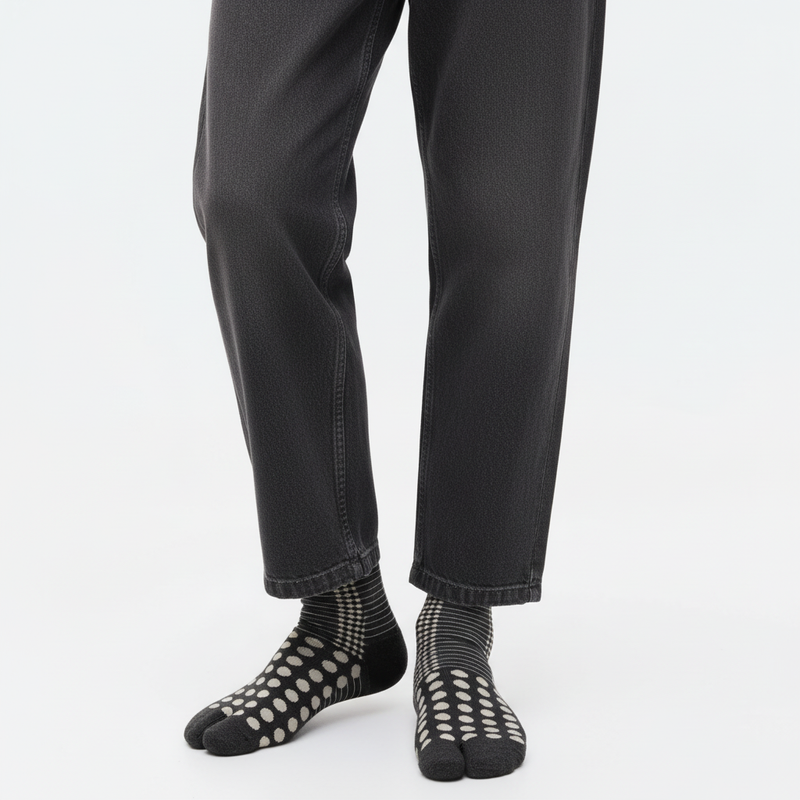
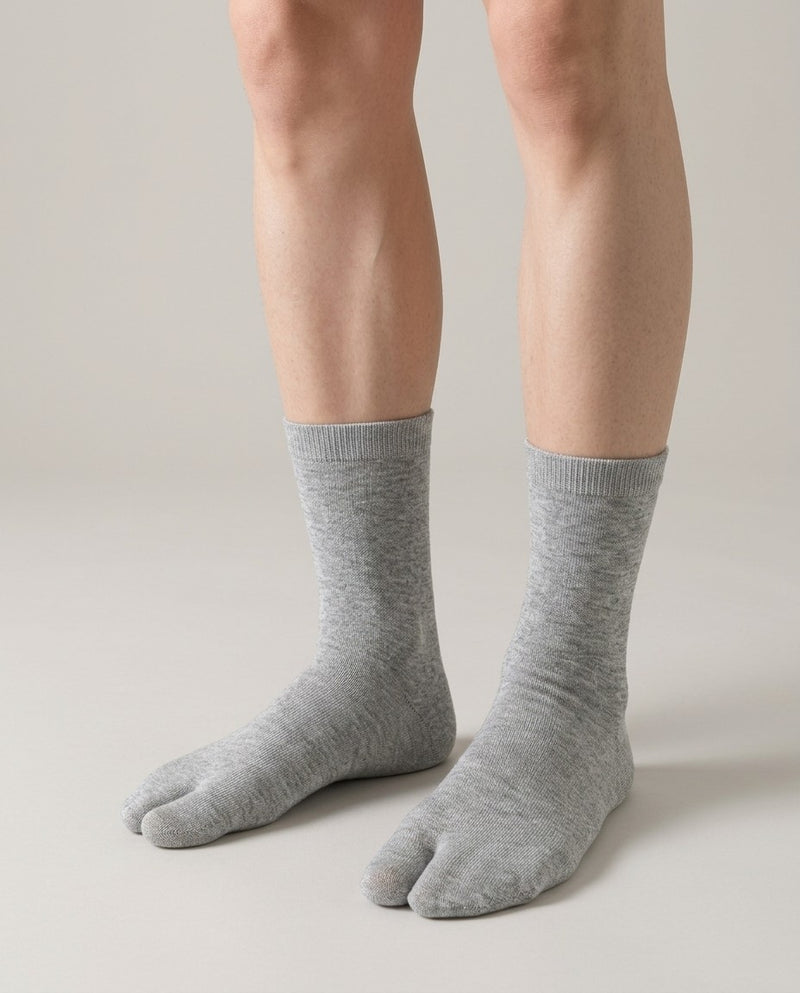
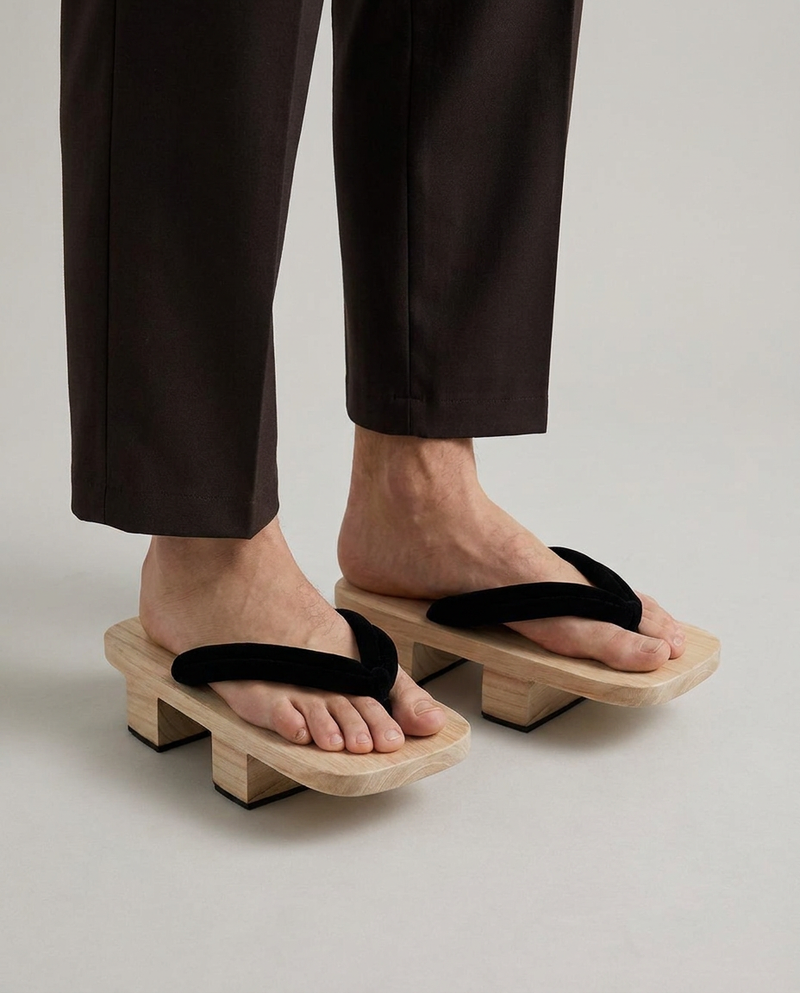
The classic pairing is geta (下駄), wooden sandals raised on two teeth, or flat setta (雪駄) or zori (草履). Bare feet are normal. If you want socks, wear split-toe tabi (足袋) so the sandal strap still sits between your toes. Amaji also sells wooden geta, zori and tabi socks if you want to match the set. For city errands outside Japan, plain slides or simple low sneakers are fine.
In Japan a jinbei is worn against the skin. If you prefer a layer, choose a plain undershirt with a low neckline that hides under the collar. A logo tee peeking out at the V is the fastest way to make the set look like a costume.
How to wear jinbei for different occasions
| Setting | Does a jinbei work? | How to wear it |
|---|---|---|
| Home, hot evenings, lounging | Yes | Barefoot, ties done loosely |
| Summer festival or fireworks night | Yes | Geta or setta, a hand fan, a small cloth bag |
| Beach town, backyard barbecue | Yes | Sandals and the shorts version |
| Cafe or city errands | Usually | Top with plain trousers, or pants with a plain tee |
| Office, wedding, formal dinner | No | Regular clothes |
At a natsu matsuri (夏祭り), a summer festival, or a hanabi taikai (花火大会), a fireworks night, you will see plenty of men and kids in jinbei. A yukata is the dressier option for those same evenings. Jinbei sits one step more casual, closer to what you would wear on your own porch.
Wearing the top and pants separately
You do not have to wear both halves together. The top alone reads as a short wrap shirt over plain dark trousers or plain shorts. The pants alone go well with a solid tee or tank. Keep the other piece plain, because the crossed collar is already the detail people notice.
Patterned sets need more thought. Amaji's Seigaiha Wave Jinbei Set uses seigaiha (青海波), the overlapping wave motif, so wear it as a full set or pair the top with a solid bottom. Two patterns at once fight each other.

Choosing a set, and what ours are
Specialist shops we checked in September 2026 priced jinbei at a median of $76.00, with the cheapest quarter at $59.99 or under. Most of Amaji's sets come in below that: the Seigaiha Wave Jinbei Set is $52.90, our four-color jinbei set and the Jinbei Kimono Set are $54.90 each, and the black set is $57.90. The tie-front shirt and trousers set is listed at $64.90 to $104.90.

The four-color set comes in Black, Light Grey, Navy and Royal Blue, in XS, S and M. Jinbei are a small, seasonal line for us: that set was in 1 of our last 80 orders over the past 90 days.
Plainly put, these are affordable everyday sets made in China, cut for lounging and summer evenings. If you want a hand-sewn jinbei made in Japan, a Japanese maker is the better buy. Our guide to where to buy a jinbei compares prices across shops.
Left over right, a loose fit and sandals. That covers almost every place a jinbei gets worn.
Written by the Amaji team, November 13, 2026. How we write our guides.