













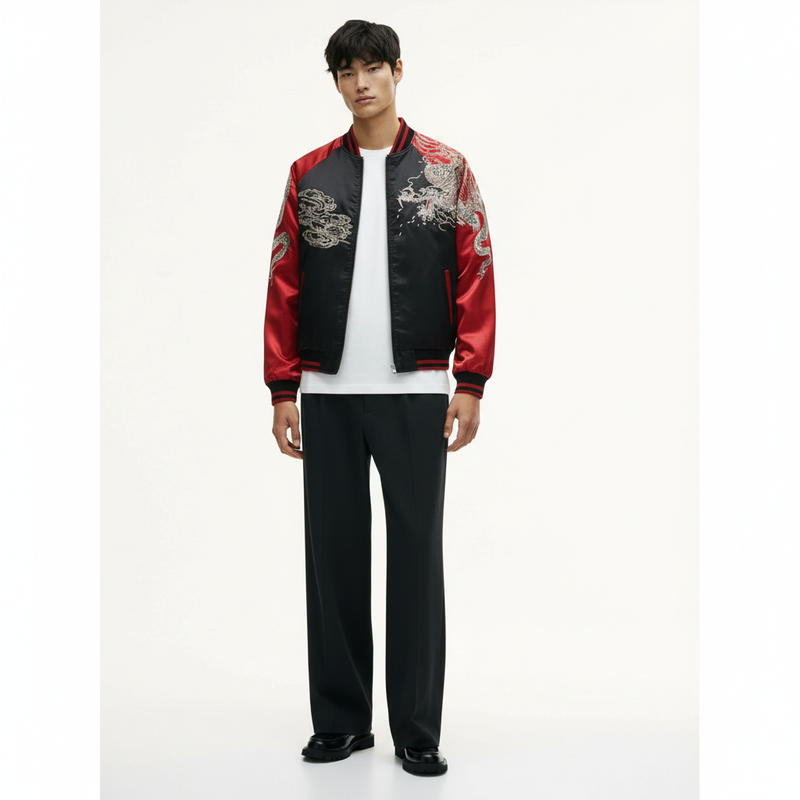




A sukajan is a bomber-shaped jacket carrying heavy embroidery, usually across the back. The name is a contraction of a Japanese rendering of "souvenir jacket", and that is exactly what the first ones were.

Where it came from
After the Second World War, American servicemen stationed in Japan wanted something to take home. Local embroiderers, already skilled and suddenly without their usual trade, worked motifs onto flight jackets: tigers, dragons, eagles, maps of the places the wearer had been. The garment was a receipt for having been somewhere.
Why the embroidery is the point
Strip the embroidery off a sukajan and you have a bomber jacket. The shape is borrowed; the needlework is the garment. That is also why quality varies so widely on the second-hand market - the jacket underneath is often ordinary, and what you are paying for is thread count, density and whether the design was built for the body it sits on.
How to read one
- Raised thread. Good embroidery stands off the cloth. Flat, thin stitching is the first sign of a cheap one.
- Composition across seams. A design that runs over the shoulder onto a sleeve was planned. One that stops dead at a seam was not.
- Backing. Dense embroidery needs stabilising behind it or it puckers after a wash.
- Ribbing. Collar, cuffs and hem should recover their shape. Slack ribbing ages a jacket immediately.
The motifs and what they carry
Traditional subjects are drawn from Japanese iconography rather than chosen decoratively: dragons, koi, tigers, cherry blossom, and the kitsune - the fox of Japanese folklore, which gains a tail with age and is depicted with nine at the height of its power.
The pairings are conventional too. Koi carry associations of persistence, from the story of the carp that swims upstream and becomes a dragon, which is why the two appear together so often. Cherry blossom is there for the opposite reason - it is the standard image for something beautiful and brief. A jacket that puts a tiger on the back and blossom on the sleeve is making a fairly legible statement, whether or not the wearer intended it.
Reversible, and why so many are
A large share of sukajan are built reversible, usually with a quieter face on one side. This is not a gimmick added later; it comes from the same souvenir logic. One side was for wearing home and showing off, the other for wearing when you did not want to be looked at. If you buy a reversible one, check that the ribbing and the lining are finished to the same standard on both faces, because on cheap examples only one side is really made.
Caring for heavy embroidery
The embroidery is the expensive part and the part that fails first. Wash cold and inside out, never wring the panel, and dry flat rather than hanging - a soaked embroidered back is heavy enough to pull the shoulders out of shape on a hanger. Avoid ironing the stitching directly; press from the reverse with a cloth between if you must press at all.
What we stock
The Nine-Tailed Fox Sukajan Jacket runs the fox across the back in raised thread, with cherry blossom carried over the chest and down one sleeve - a design composed across the seams rather than placed on a panel. Ribbed collar and cuffs, XS to XL, $119.90. It sits in Sukajan Jackets.
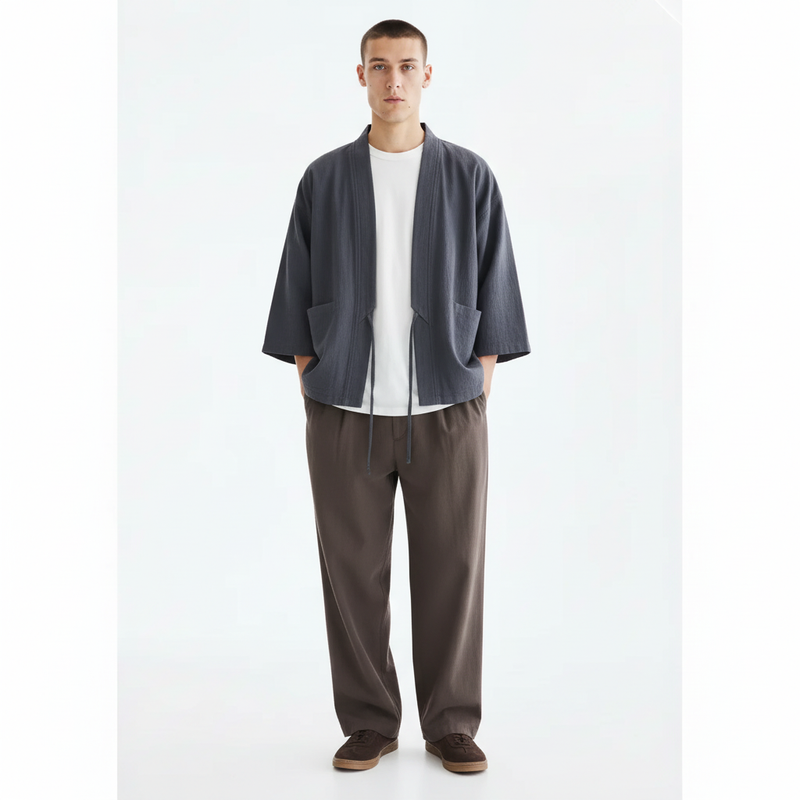
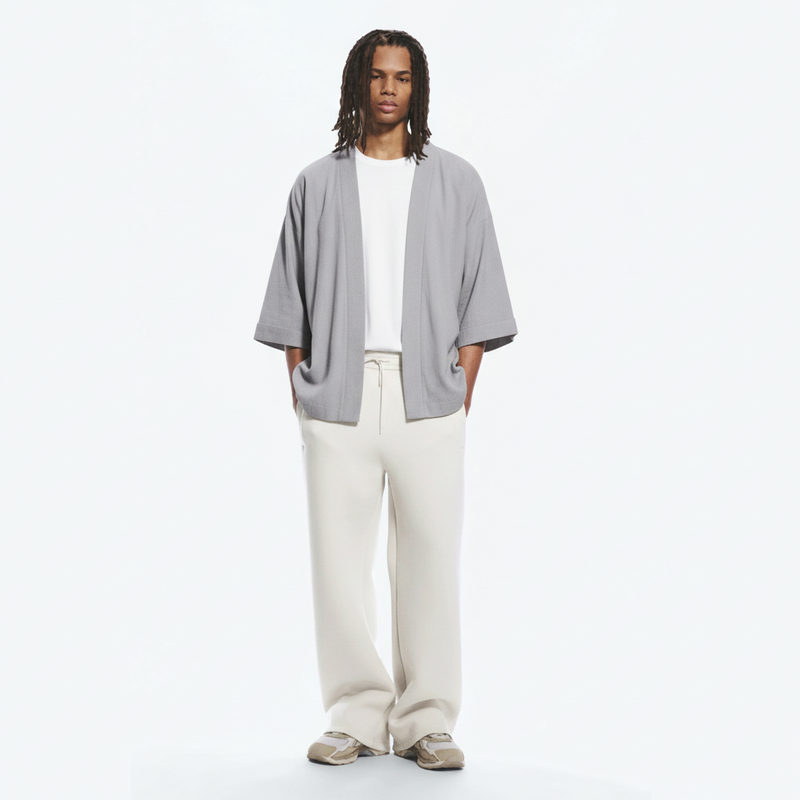
For the quieter end of the same wardrobe, the Japanese Jackets collection covers noragi and haori cuts, which carry their detail in the cloth rather than on it.
How to wear one without it wearing you
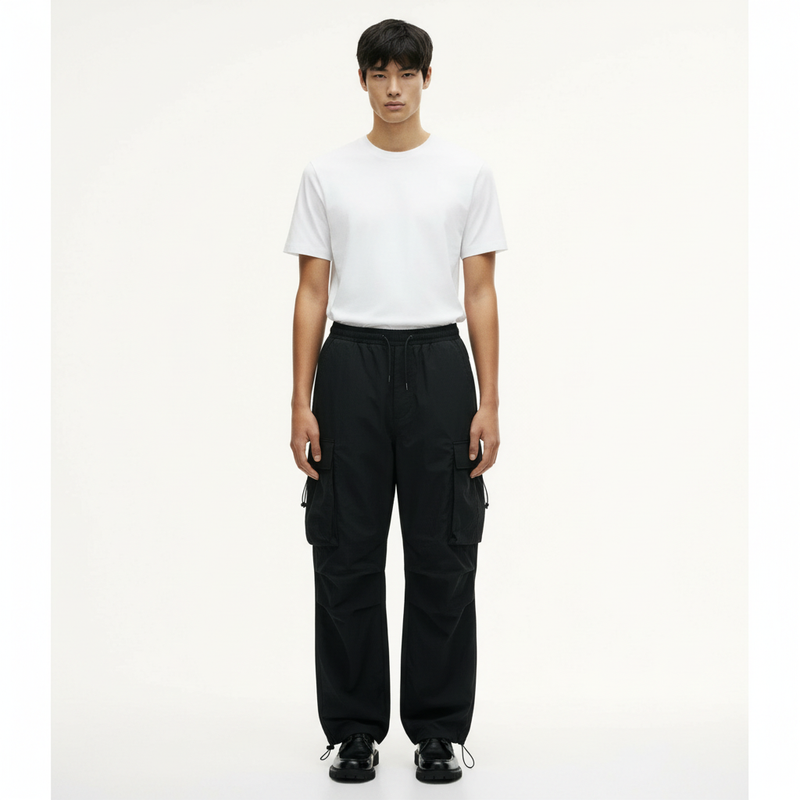
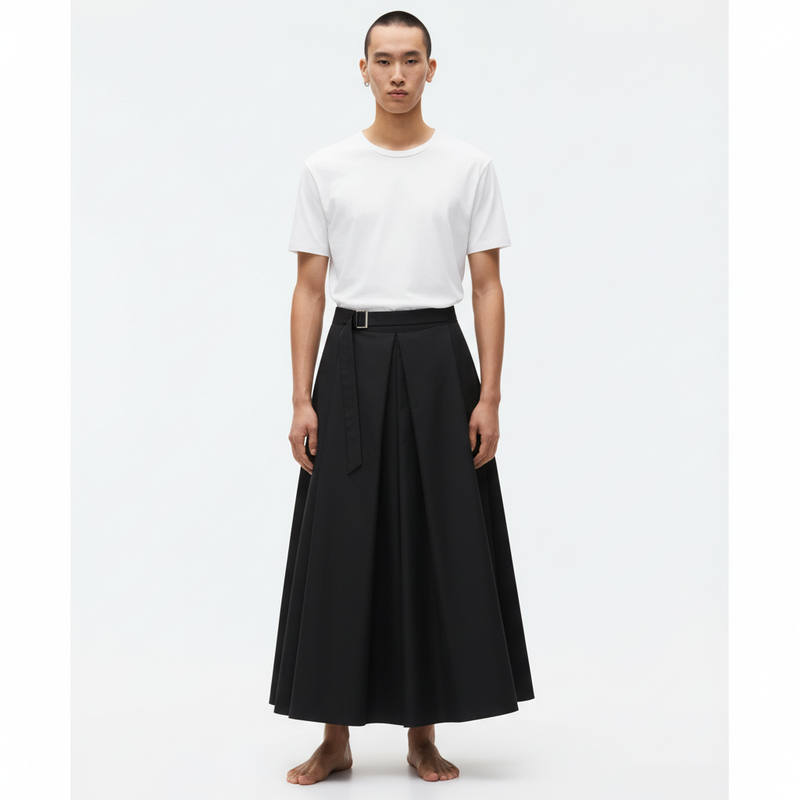
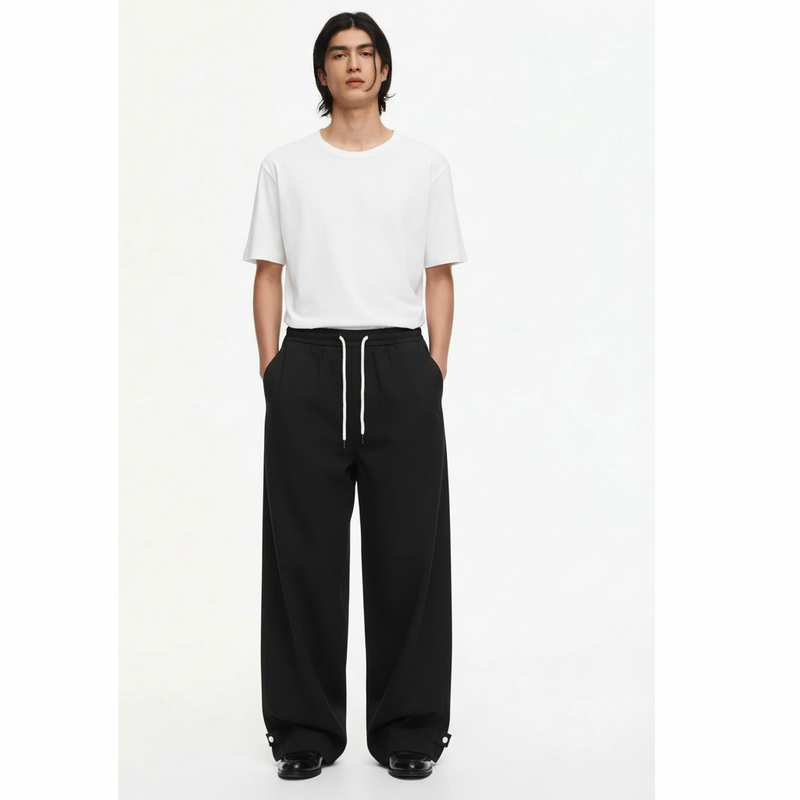
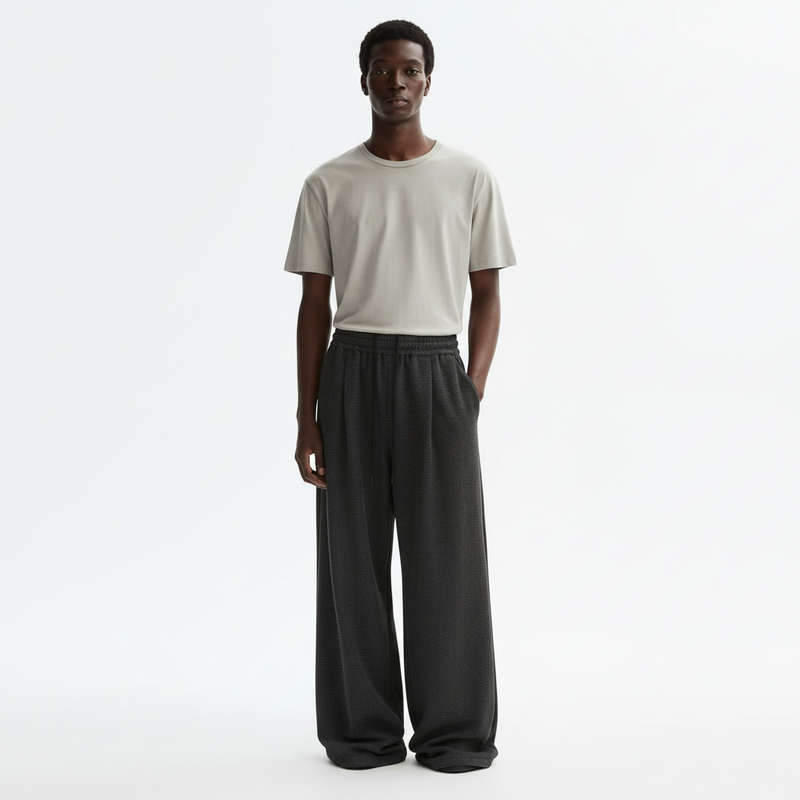
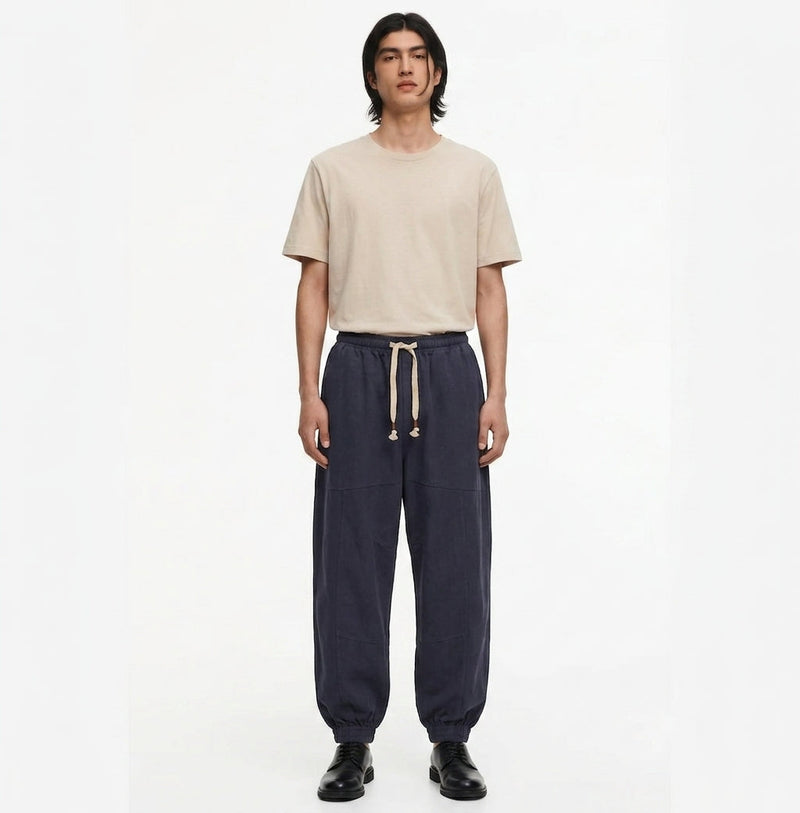
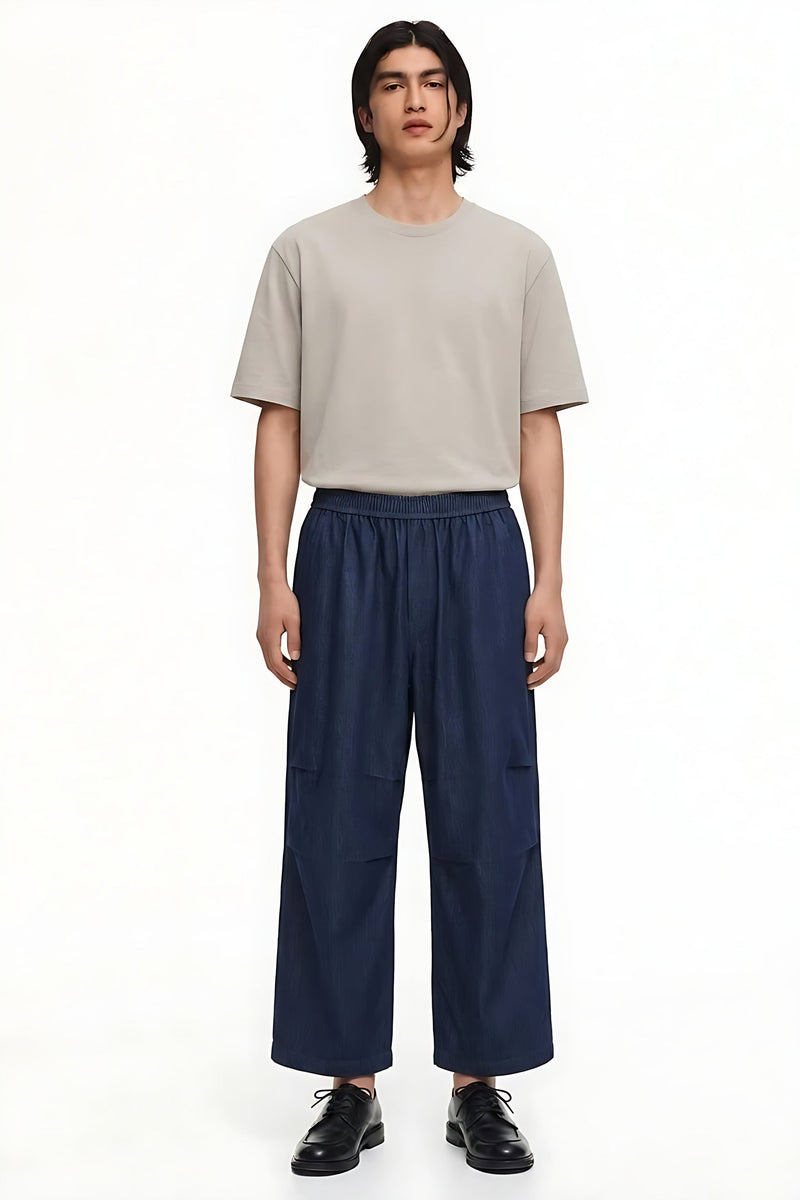
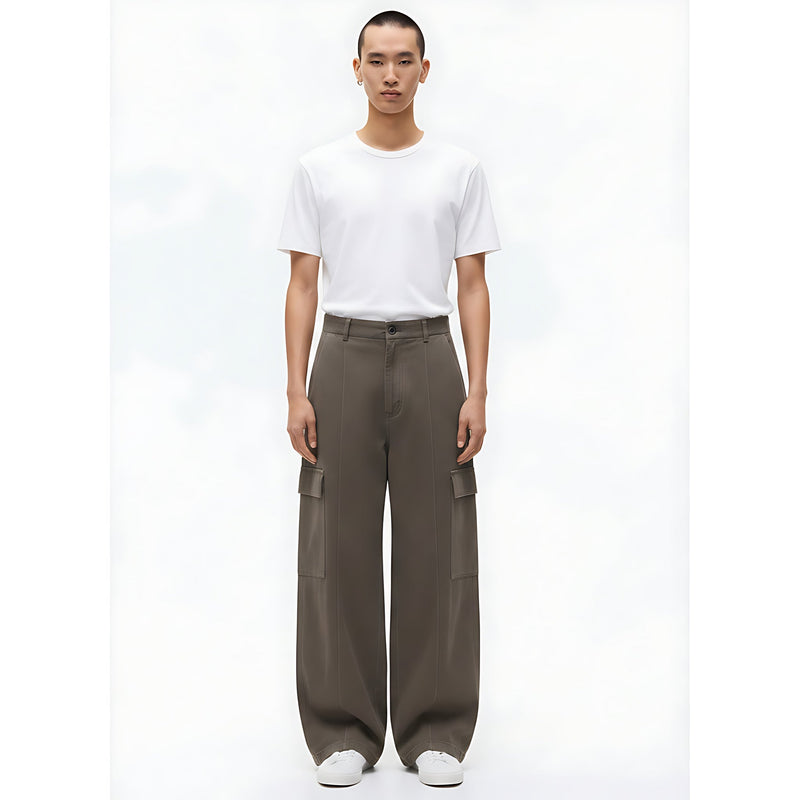
A sukajan is the loudest thing in any outfit it appears in, so everything else should get quieter. Plain trousers, plain shoes, nothing else competing for attention at the back. Treat it the way you would a printed silk shirt: one statement, then stop.
That rule extends to the trouser. A dropped-rise cut underneath gives the jacket a wide base to sit on without adding a second point of interest - the harem and sarouel cuts work well for exactly that reason. If you want the Japanese line without the noise, the haori carries its detail in the cloth instead of on it.
For all sixteen garments in one place, with their Japanese names, see traditional Japanese clothing.