



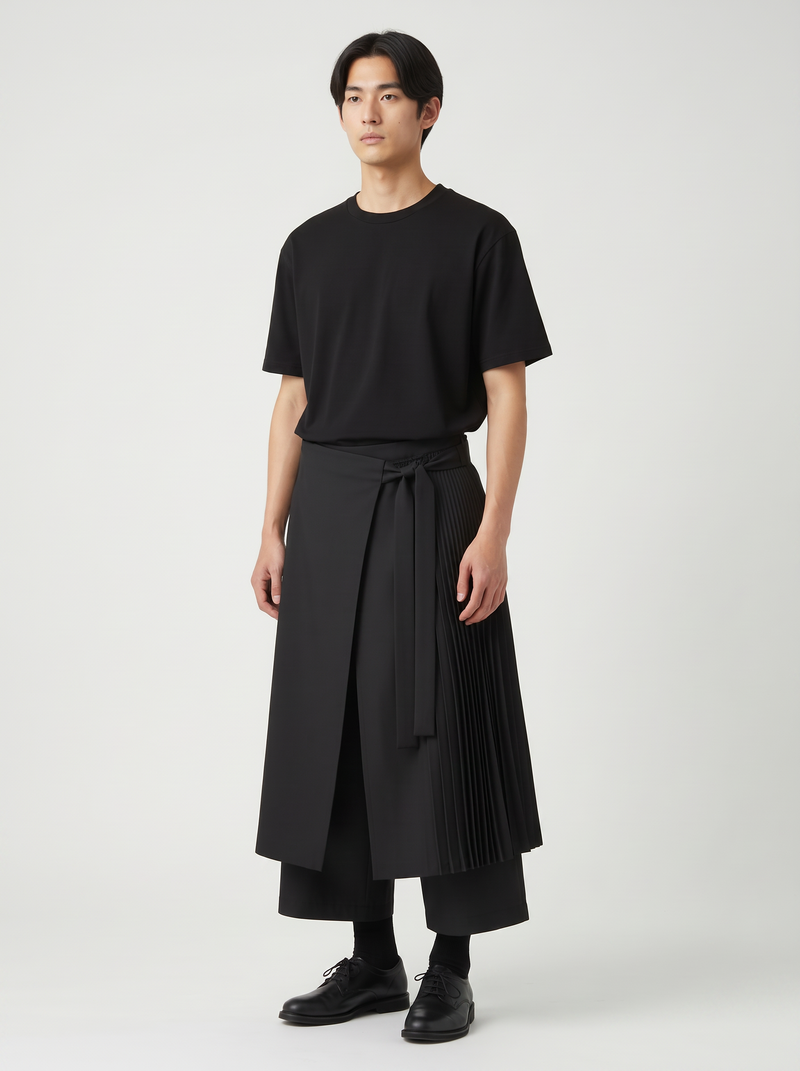






Wear old, comfortable clothes in a dark or earthy color. Your sleeves should push above the elbow, and your pants should be loose enough to sit in with your knees apart. Add closed-toe shoes with a flat sole, tie back long hair, and leave rings, bracelets and watches at home. On a wheel day, tie on an apron such as Amaji's Japanese Apron, because most of the wet clay ends up in your lap.
That works for nearly every studio. The rest of this page explains why each piece matters and what changes from one kind of class to another.
How messy a pottery class gets
That depends on what you're making that day.
Wheel throwing is the messy one. You sit on a low stool with the wheel between your knees, brace your elbows on your thighs and keep the clay wet the whole time. Watery clay, called slip, flicks off the spinning wheel onto your lap and forearms, and sometimes your chest. Your hands will be coated to the wrist before you have centered anything.
Hand building (pinch pots, coils and slabs) happens at a table. It is drier and slower. Expect clay on your hands, your cuffs and the front of your shirt where you lean in, but very little splatter.
Glazing is cleaner again, though glaze drips carry pigment and stain more easily than plain clay. Dress for it the way you would for painting.
If the class listing doesn't say which one you'll do, assume the wheel.
What to wear to pottery class, top to toe
| Good choice | Leave at home | |
|---|---|---|
| Top | T-shirt or an old shirt with sleeves that roll above the elbow | Wide or flared sleeves, fuzzy knits, anything white |
| Pants | Jeans, joggers or work pants with room at the knee | Skinny cuts, wide hems that touch the floor when you sit |
| Shoes | Closed toe, flat rubber sole, easy to wipe | Sandals, suede, your favorite sneakers |
| Hair | Tied back and off your shoulders | Long hair hanging loose near a spinning wheel |
| Hands | Short nails, bare fingers | Rings, bracelets, watches, long nails |
| Cover-up | An apron, or an old towel across your lap | Nothing at all on a wheel day |
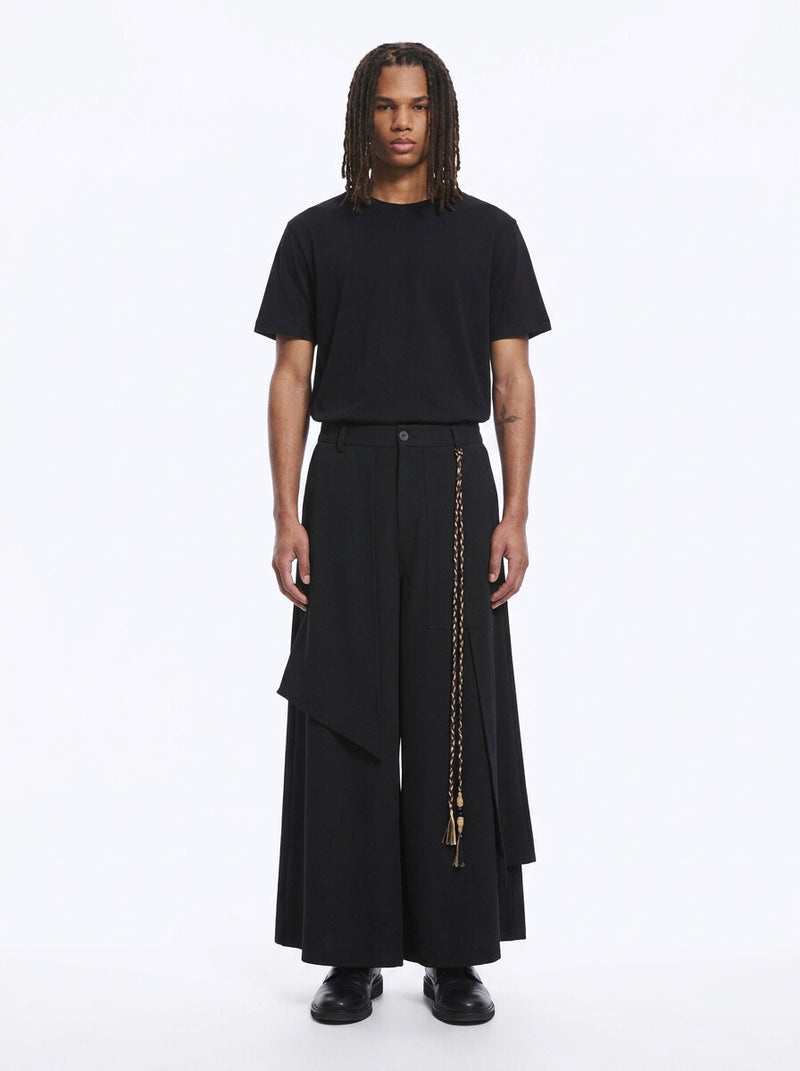
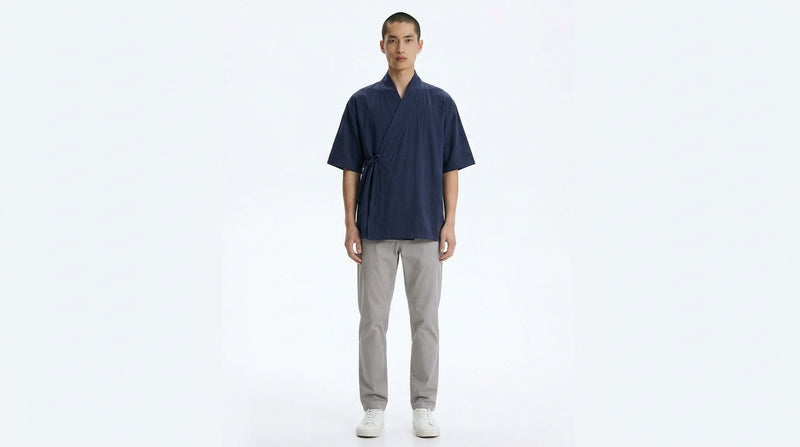
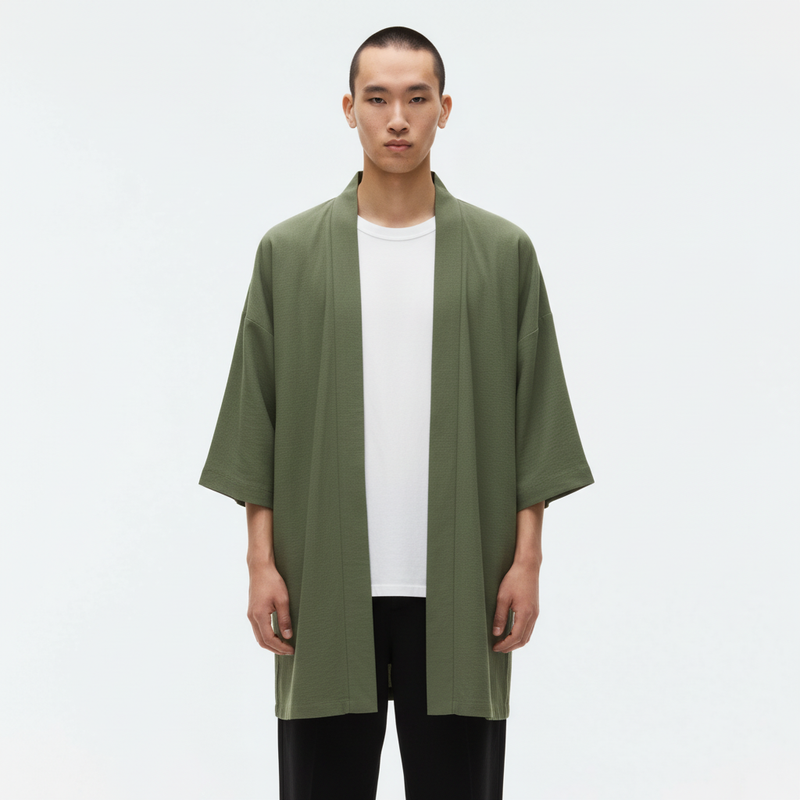
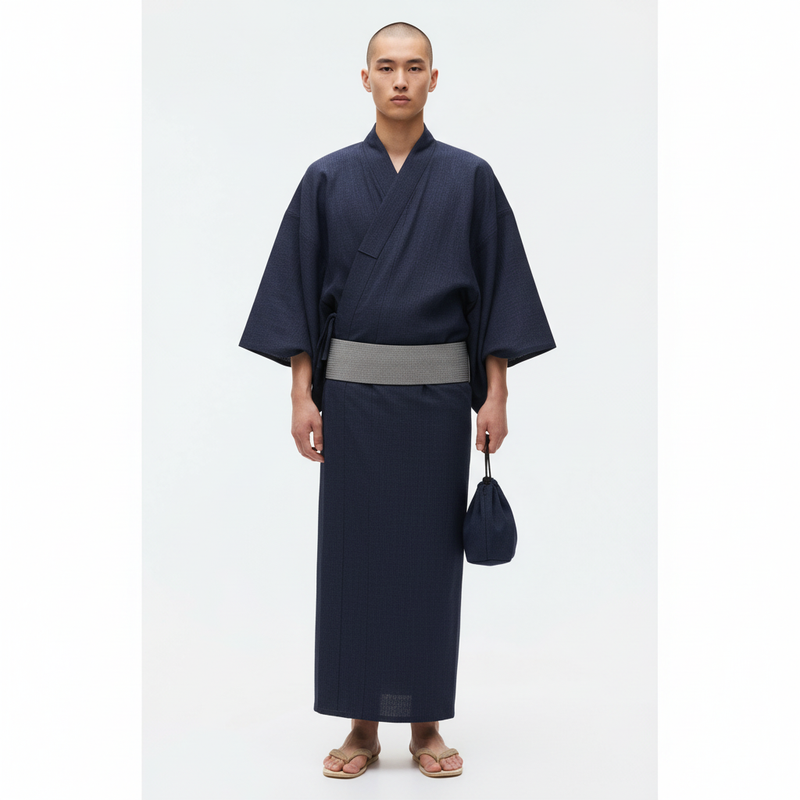
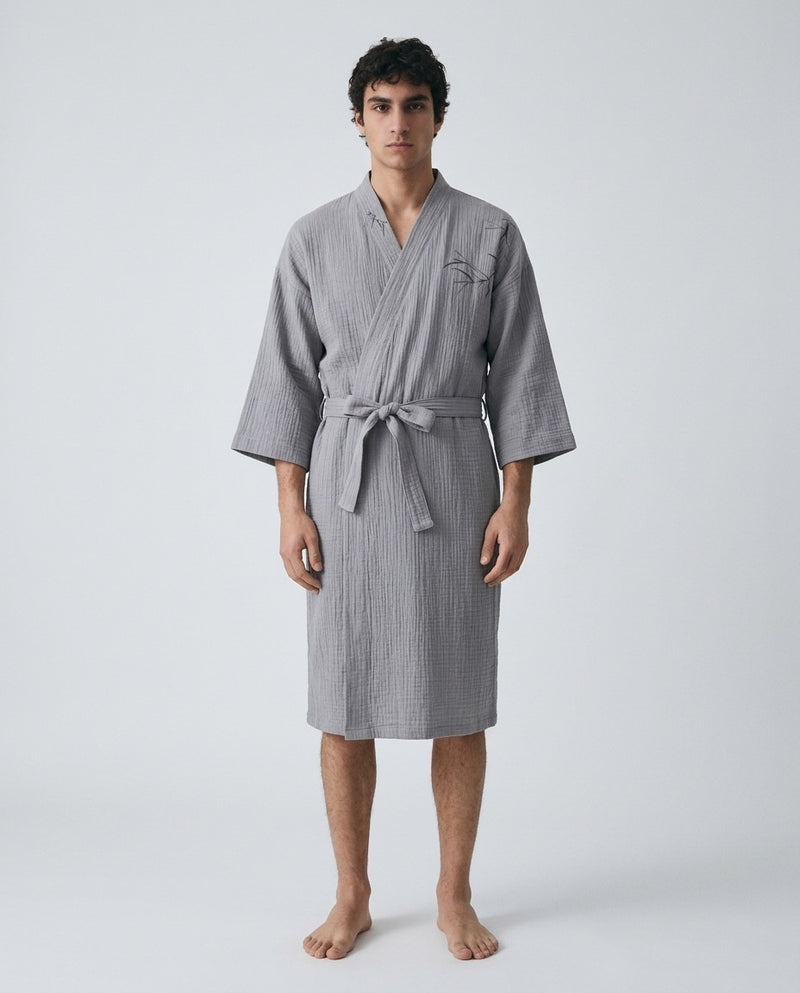
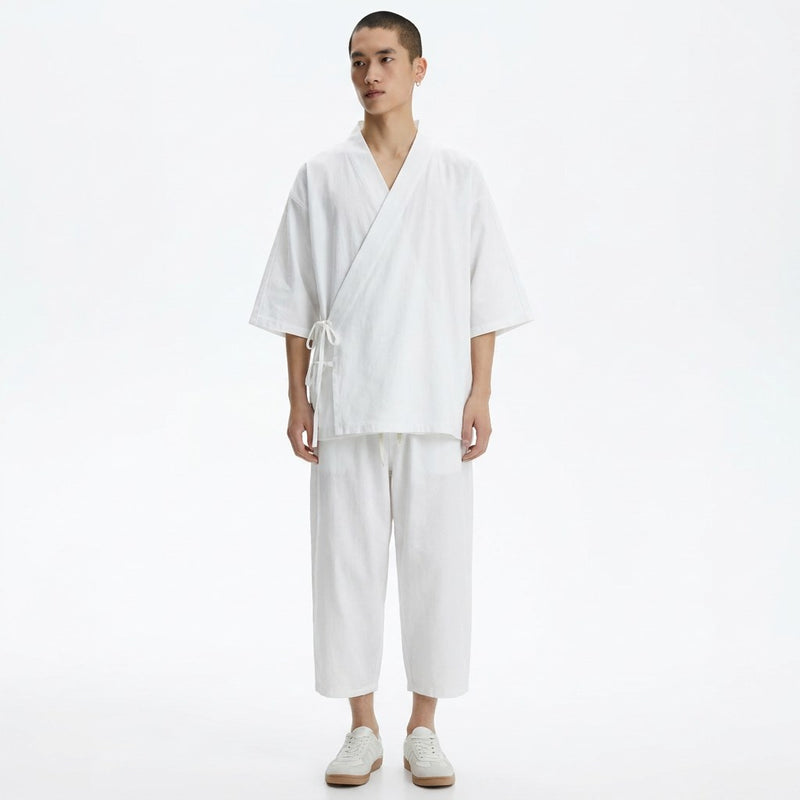
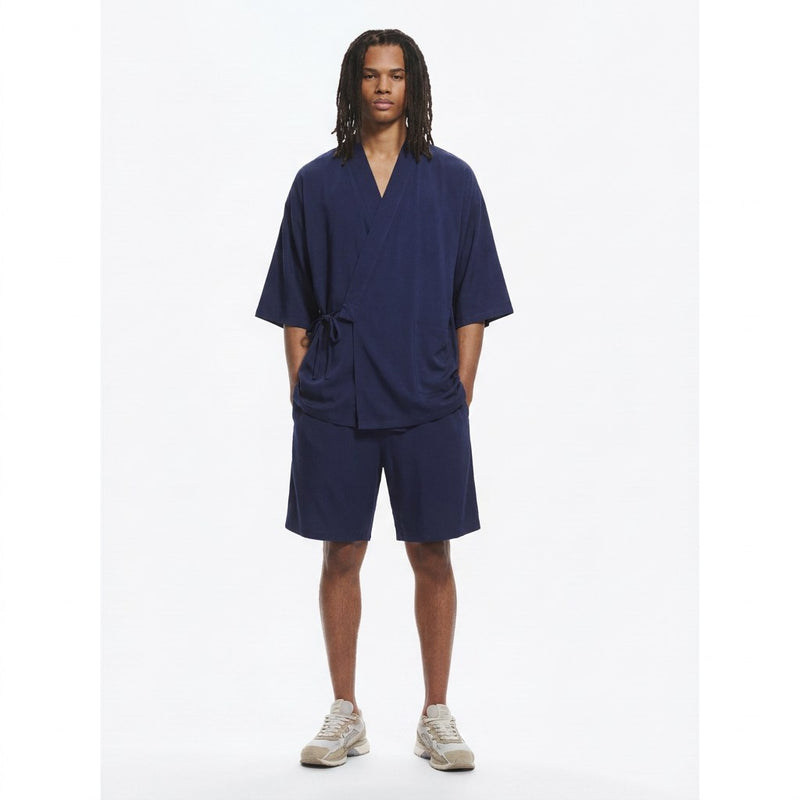
Sleeves need the most thought. At the wheel your forearms are inches from the clay and the splash pan, so a long or loose sleeve soaks up slip and drags it across your pot. We sell a lot of wide-sleeved haori and kimono jackets, and we would not throw in one. Wear it to the studio, hang it up, and put it back on when you leave.
For pants, think about how you'll sit: knees spread, feet planted, leaning over the wheel for long stretches. Stretch fabric or a relaxed cut keeps the waistband from digging in. A hem that stops at the ankle or just above it stays clear of the trimmings that pile up on the floor.
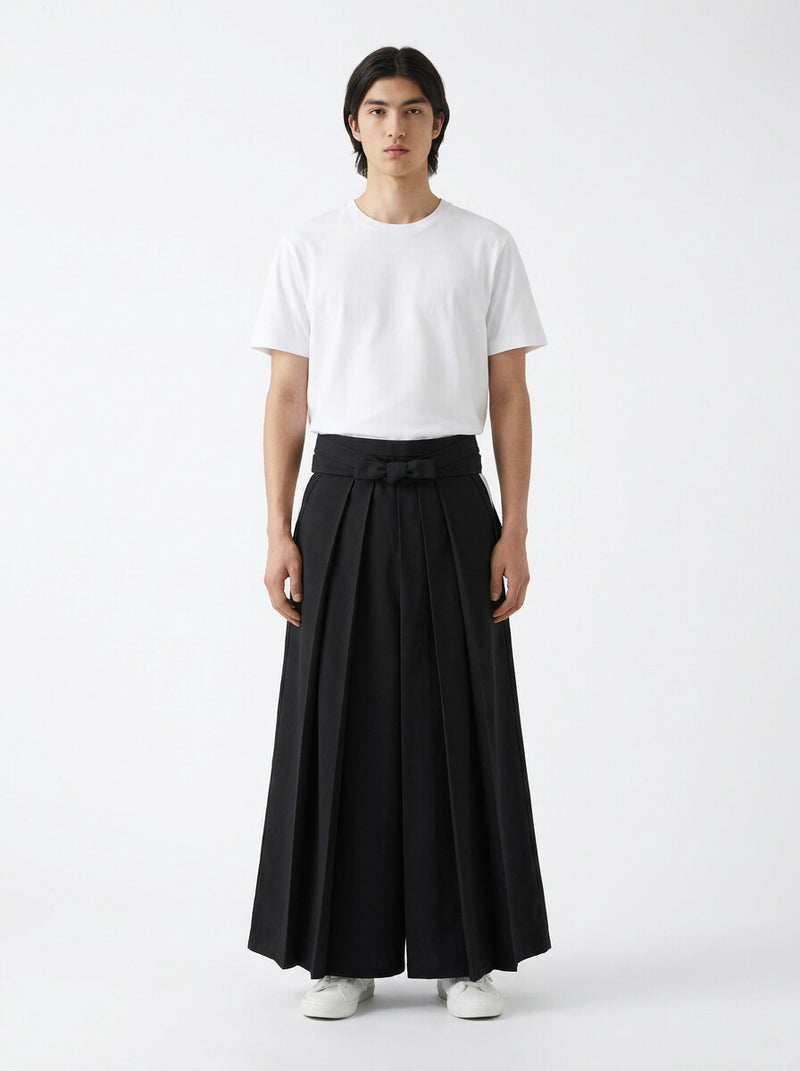
That rules out one of our own favorites. Amaji's Kendo Hakama were in 6 of our last 67 orders, and we like them, but a hakama (袴), the pleated wide-leg trouser worn in kendo and aikido, is the wrong thing to wear at a wheel. The seven pleats and full legs form a trough between your knees that fills with slip, and the long hem sweeps the floor. Save them for the outfits they suit.
Shoes, socks and the studio floor
Studio floors get wet and gritty, and dropped tools and lumps of trimmed clay land near your feet. Most studios ask for closed-toe shoes with a flat rubber sole. Pick a pair you can wipe down, because dried clay works its way into suede and mesh.
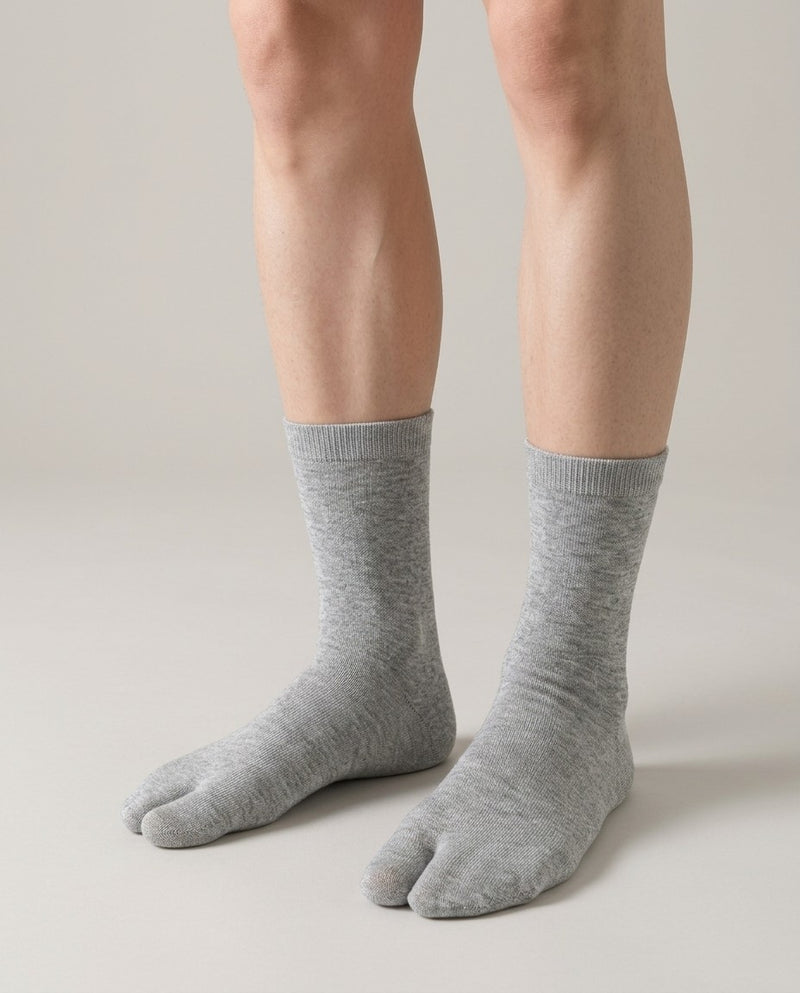
Socks are up to you. Amaji's split-toe tabi socks were in 14 of our last 67 orders. A tabi (足袋) sock, the Japanese sock with a separate big toe, fits under a roomy sneaker like any mid-calf sock. It is not studio footwear on its own. On a damp floor with grit on it, no sock is. For more on the split toe, see what tabi socks are.

Why an apron is worth tying on
An apron is the one piece of pottery gear worth owning before your first class. Studios often keep a few on hooks, but they are shared and often still damp from the last class.
Japan has its own long-standing version. The maekake (前掛け), literally "hung in front," is a waist apron that shopkeepers, brewers and farmers have worn for generations. In Japanese workshops you also see samue (作務衣), the wrap-front work clothes of Zen temples, which many potters and woodworkers prefer.
Amaji's Japanese Apron is a waist apron in that style. It costs $19.90 and has long ties that wrap around your waist. You can knot them in front, which matters when your hands are covered in clay, because you can untie the apron without reaching behind you and smearing your shirt.

Know what a waist apron covers. It protects your lap and thighs, which is where most wheel slip lands. It does not cover your chest, so still wear a top you don't mind getting marked. When you sit with your knees apart, the apron hangs between them like a small hammock and collects water. Some potters like that. Others tuck the bottom edge under their thighs, and people who throw every week sometimes switch to a split-leg apron that wraps each thigh. Ours is a plain waist apron, not a split-leg one.
Clay has a color too. Stoneware often dries gray or buff, terracotta dries a rusty orange, and porcelain dries white. The apron comes in Black, Brown, Navy, Khaki, Grey, Red and Green. Brown, Khaki and Grey hide most studio clays best. Black shows every pale smear.
What to bring to your first pottery class
- An apron, or an old towel for your lap
- A hair tie, even if your hair only reaches your shoulders
- A rag or small towel for your hands
- A dry layer for afterward, since a damp lap gets cold fast
- A bag for anything that gets muddy on the way home
Dress the way you would to repot a houseplant and add the apron. Then you can spend the class thinking about the clay and not your clothes.
Written by the Amaji team, November 3, 2026. How we write our guides.