
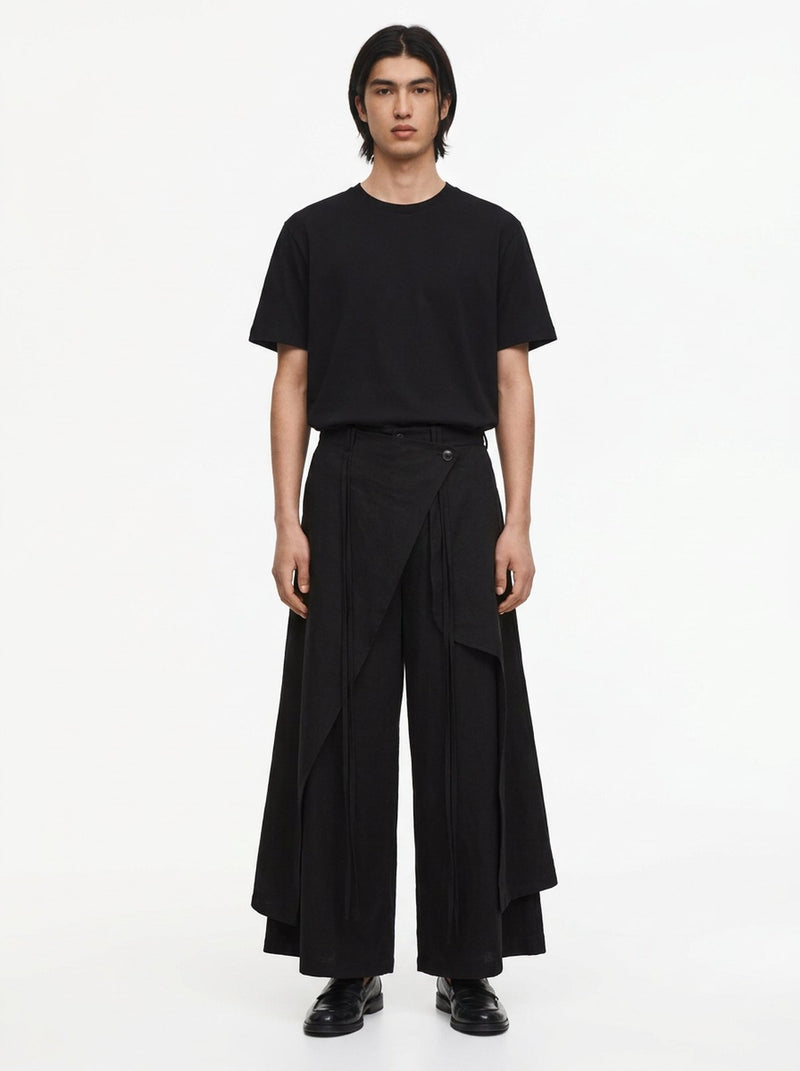
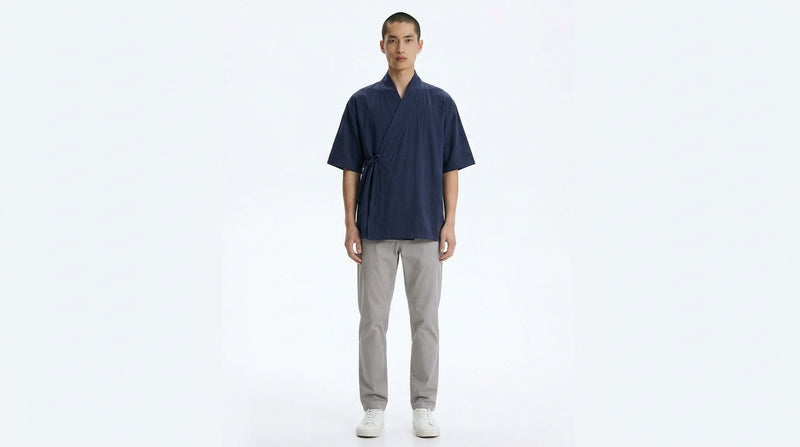
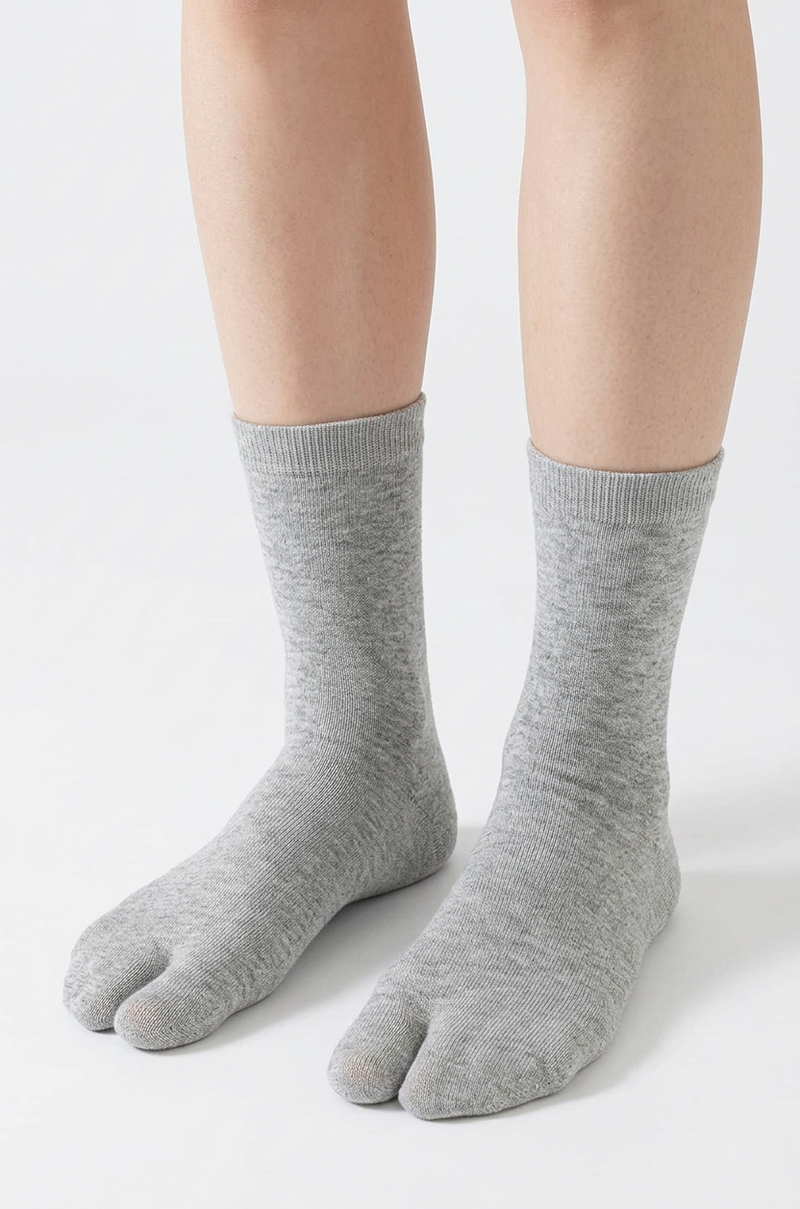

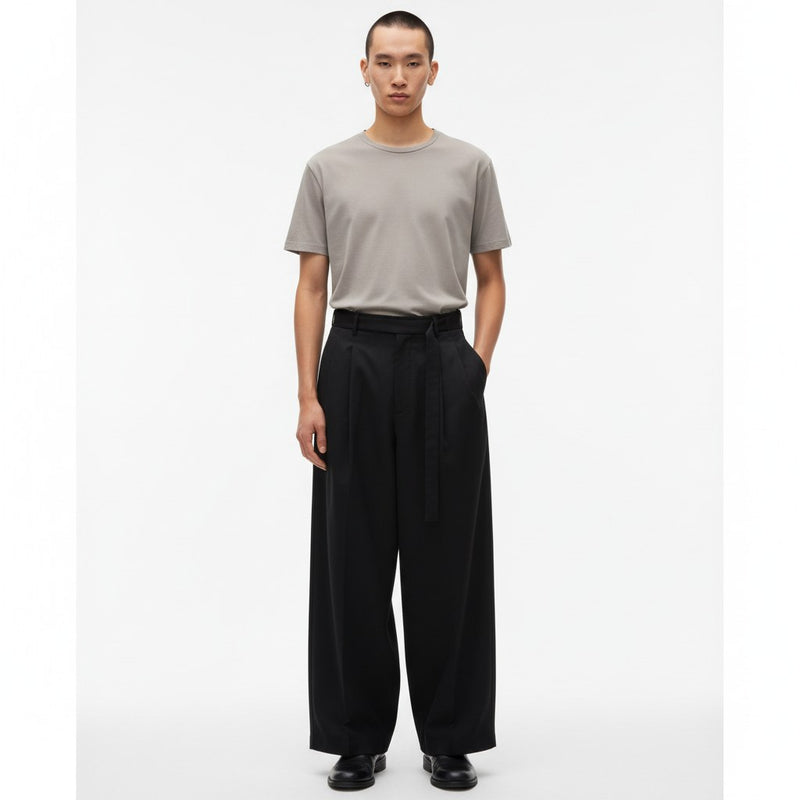
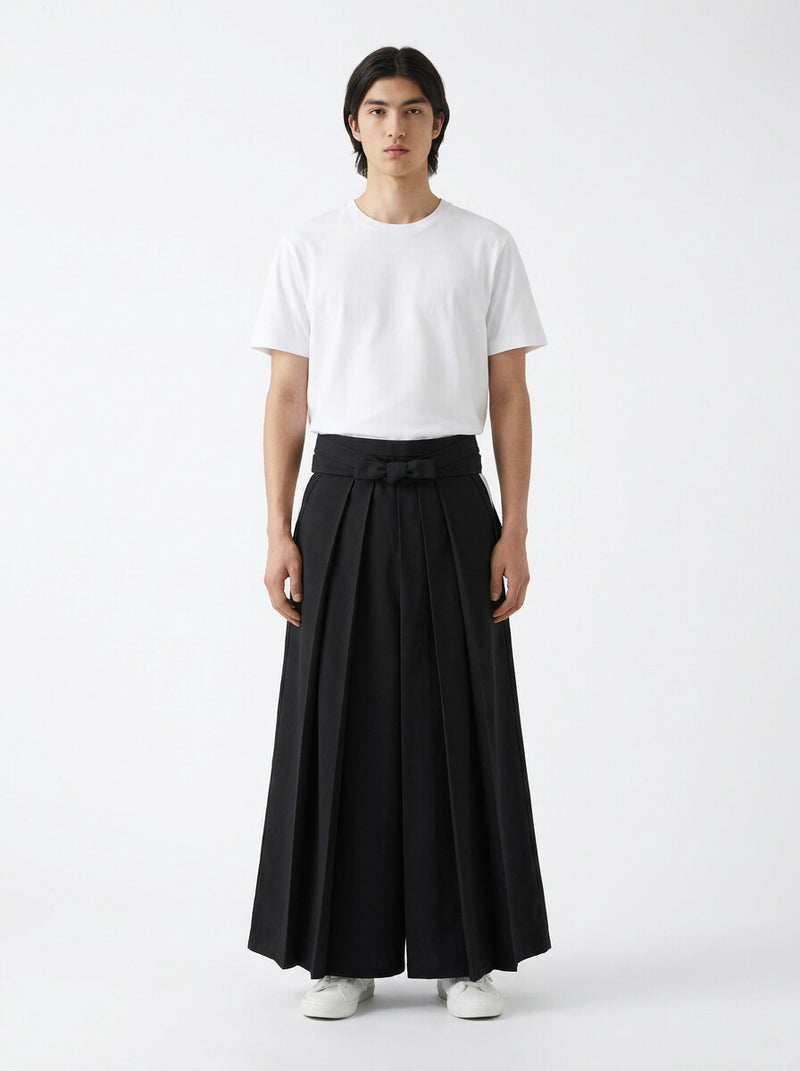

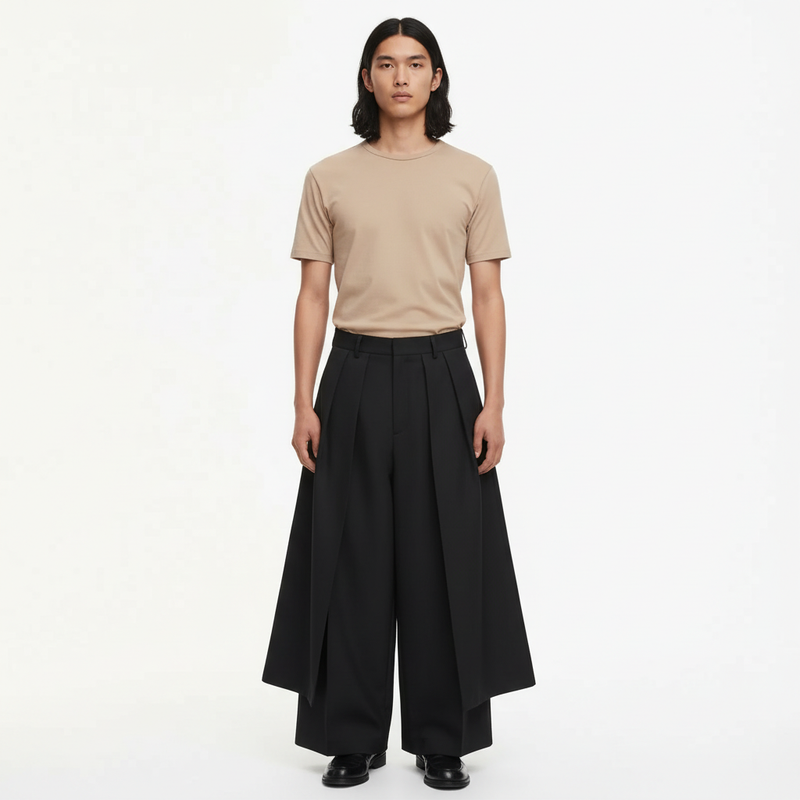
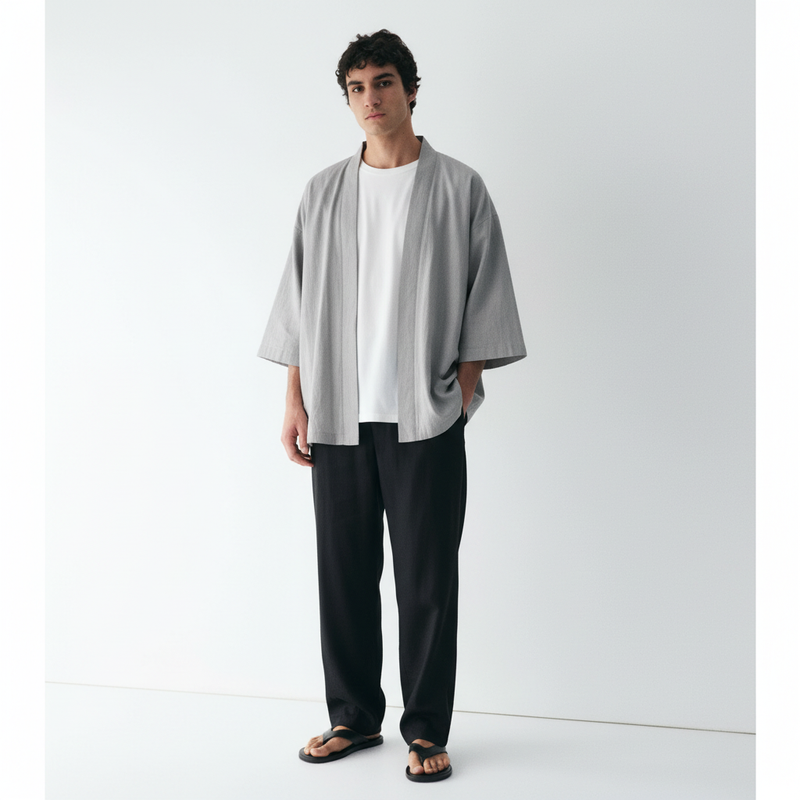
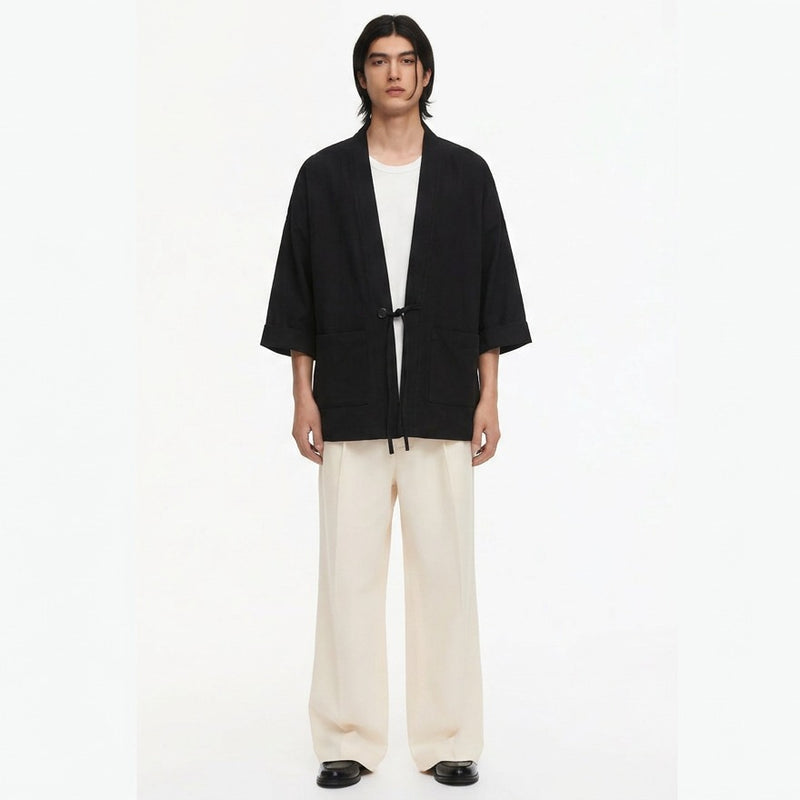
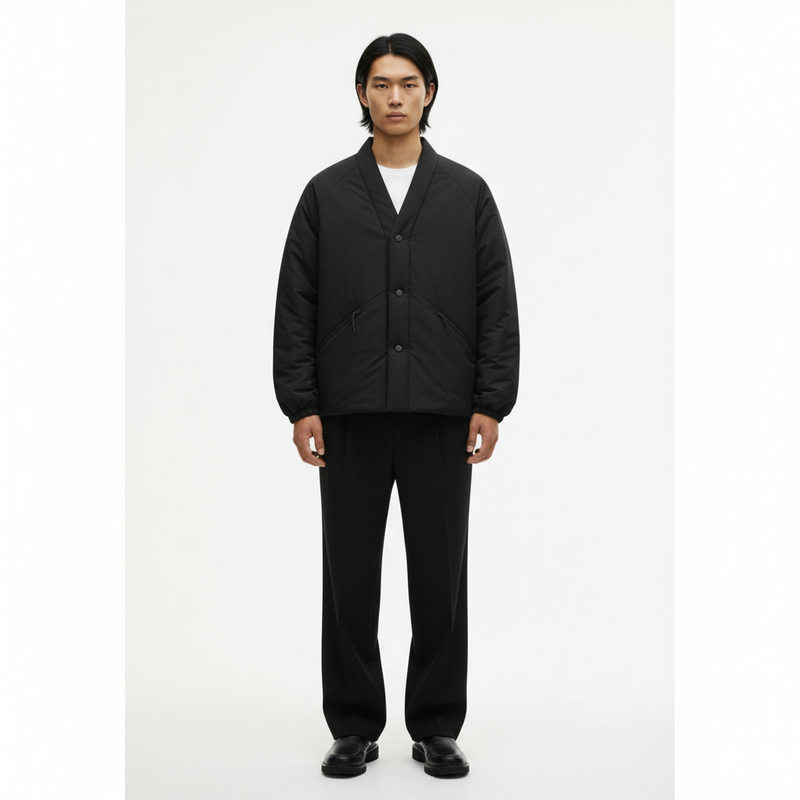
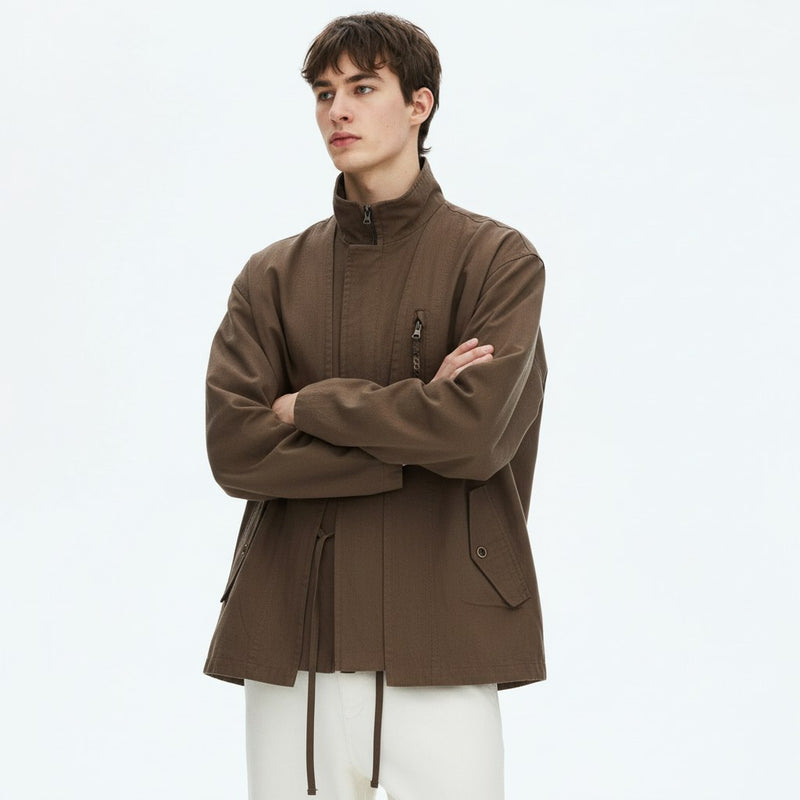

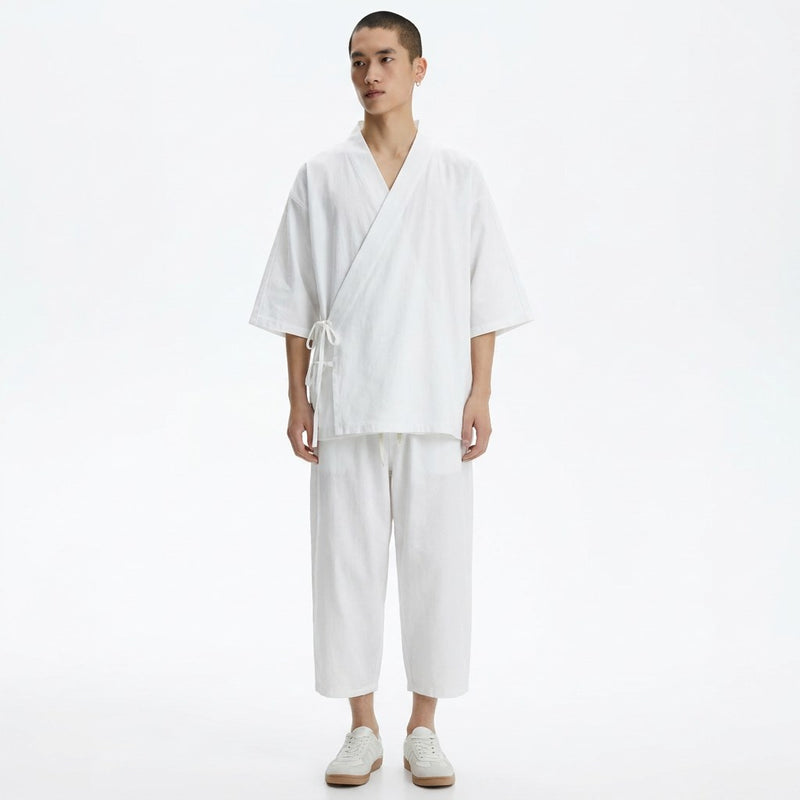


off the battlefield, samurai wore a kimono-like robe (the kosode), wide pleated trousers called hakama, a narrow sash (the obi) that held their two swords, split-toe tabi socks and sandals, and a haori jacket on top when it was cold or formal. Armour came out only for war. Our samurai pants collection gathers the trousers that come from this wardrobe.
The samurai were Japan's warrior class for roughly seven centuries, until the class was abolished in the 1870s. What they wore changed over that time, but the everyday outfit most people picture is the one from the Edo period (1603 to 1868), when samurai spent far more time as officials than as soldiers.
Samurai clothing at a glance
The piece linked here is one we sell at Amaji.
| Garment | What it is | When a samurai wore it | Closest piece today |
|---|---|---|---|
| Kosode | Robe with small sleeve openings, the ancestor of the kimono | Every day, as the base layer | Kimono jacket |
| Hakama | Wide pleated trousers tied over the robe | Daily duty, riding, ceremonies | Hakama pants |
| Haori | Jacket worn open over the robe | Outdoors, visits, formal days | Haori jacket |
| Kamishimo | Sleeveless winged top with matching hakama | Official duties in the Edo period | No everyday equivalent |
| Obi | Narrow sash tied at the hips | Always; the swords passed through it | Kaku obi |
| Tabi and sandals | Split-toe socks with zori or straw waraji | Always; waraji for travel and war | Tabi socks |
| Yoroi | Armour of lacquered plates, helmet and mask | Battle only | Museum pieces and replicas |

Everyday samurai attire
The base was the kosode, a wrapped robe closed left over right and held by the obi. Over it went the hakama, tied at the waist with long straps, with deep pleats at the front. Hakama let a samurai walk, sit and ride without the robe flapping open, which is why they stayed part of martial arts uniforms. Kendo and aikido schools often explain the seven pleats as seven virtues. If you want the names of the different styles, our guide to what samurai pants are called covers them.
The obi for men was narrow and stiff, tied low on the hips. A samurai of the Edo period carried two swords, the long katana and the shorter wakizashi, thrust through the obi on the left side. Carrying both was a privilege of the class.
On the feet: white or dark tabi, the split-toe socks, inside zori sandals or, for long marches, straw waraji tied around the ankle.
Formal wear: haori and kamishimo
For visits and ceremonies a samurai added a haori, a jacket worn open and tied at the chest with a cord. Formal haori carried the family crest, the kamon, on the back and chest; our guide to Japanese family crests explains them.
Official duty in the Edo period called for the kamishimo: a sleeveless top with stiff, wing-like shoulders (the kataginu) worn with hakama of the same fabric. At the most formal audiences the hakama were extra long and trailed behind the wearer.
What samurai wore in battle
Armour, yoroi, was built from small lacquered plates laced together with silk or leather cord. Early armour, the great o-yoroi, was made for mounted archers; later suits were lighter and closer-fitting for fighting on foot. A full set added a helmet (kabuto), often a face mask (menpo), armoured sleeves and shin guards.
Under the armour went a fitted robe and short, narrow hakama that would not catch on the plates. None of this was worn day to day: armour was heavy, slow to put on and kept for campaigns and parades.
Summer and winter
The cut stayed the same through the year; the cloth and the layers changed. Summer meant unlined robes in light, breathable weaves. Winter meant lined and padded robes, more layers under the haori, and a padded jacket at home.
Wearing the samurai wardrobe today
The pieces that survive best in a modern wardrobe are the ones built for movement: hakama pants with a plain T-shirt, a haori or kimono jacket worn open, and tabi socks with sandals in summer. For the whole picture of Japan's traditional garments, start with traditional Japanese clothing.
Written by the Amaji team, October 18, 2026. How we write our guides.