






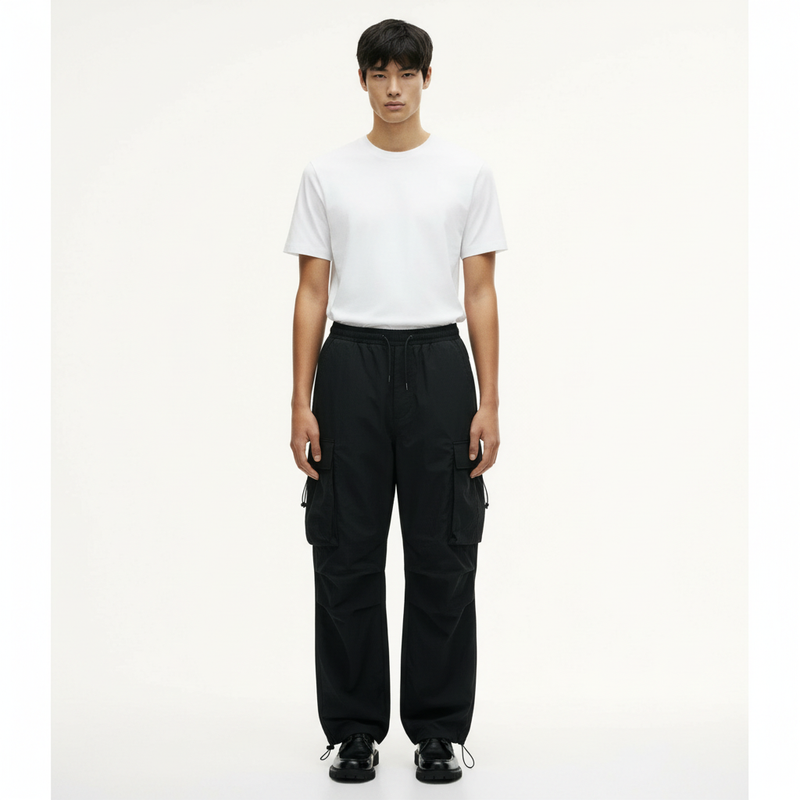


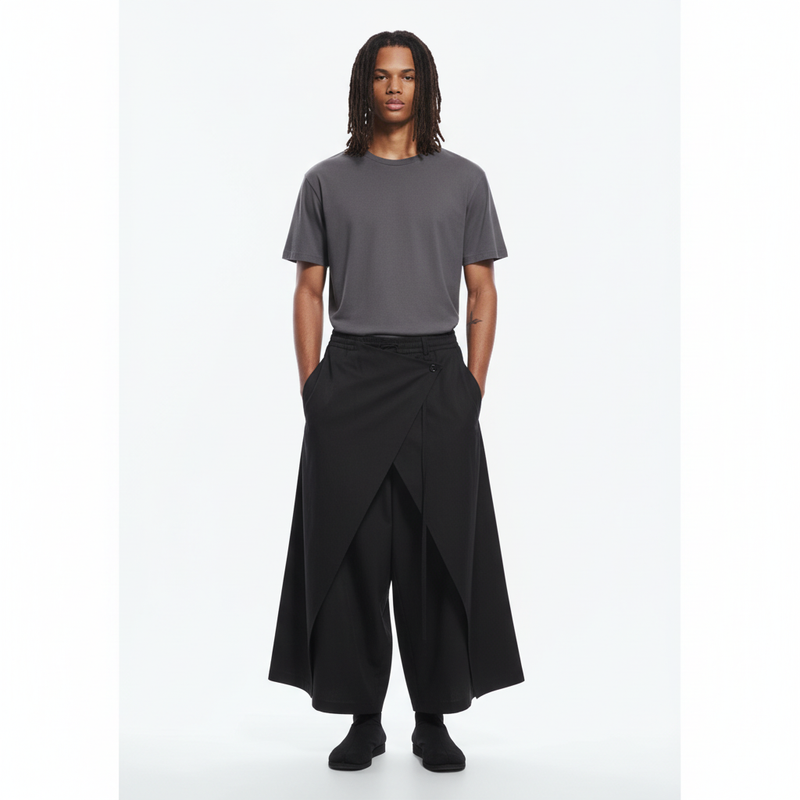


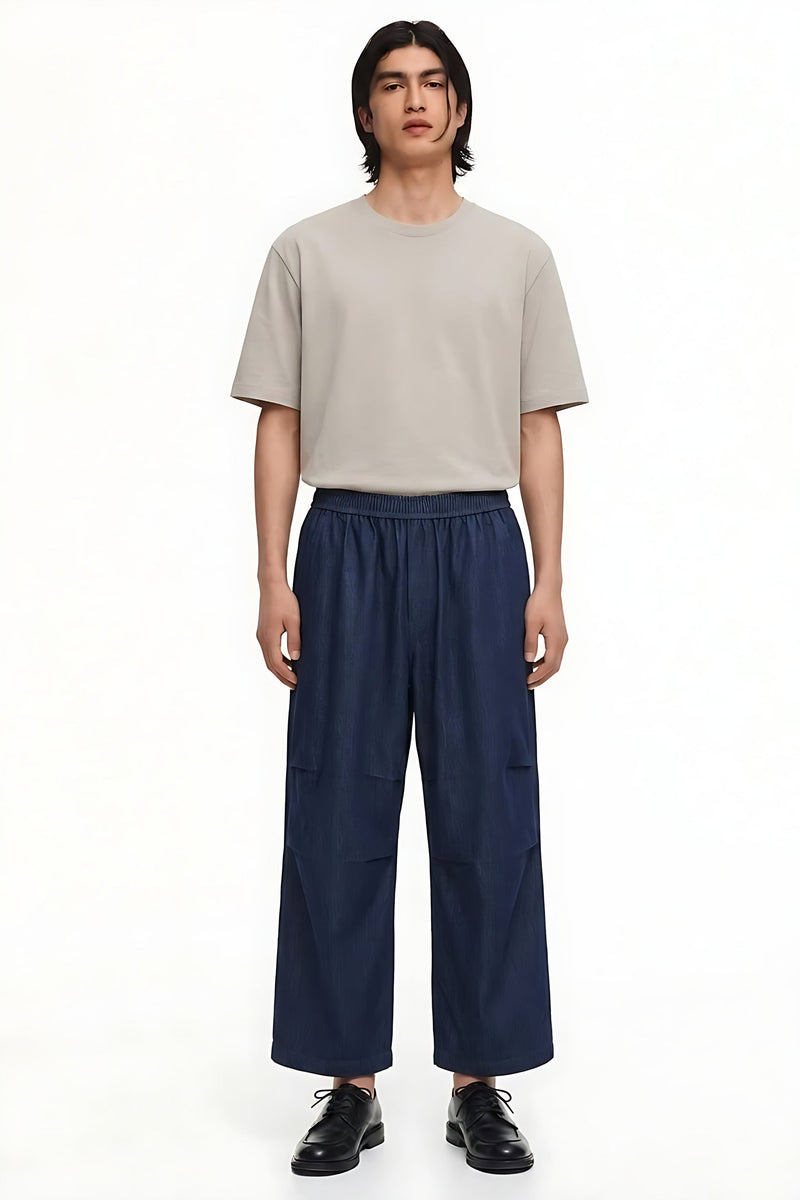





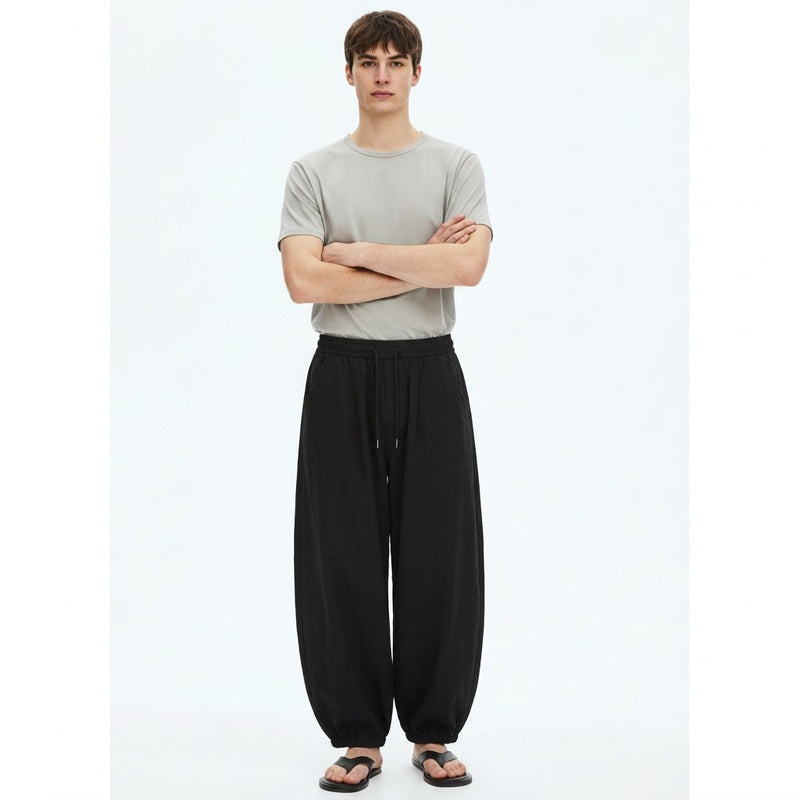



Short answer: tobi pants are the baggy work trousers of Japan's tobi shokunin, the steeplejacks who build scaffolding and steel frames. They balloon from the hip to below the knee, then narrow hard at the calf so the hem tucks into boots or split-toe jika-tabi. In Japan they are also called nikka or nikka-pokka, from the English word knickerbockers.
We sell tobi trousers and the related monpe cut in our Japanese work pants collection. This guide covers the real workwear first, then how the shape works in ordinary clothes.
Where the name comes from
Tobi (鳶) is the black kite, the hawk that circles high over Japanese cities. Edo-period builders who worked at height were nicknamed after it, and the trade is still called tobi shokunin, the kite craftsmen. Their trousers took the name.
The cut itself is younger. Toraichi, a work-clothing maker founded in 1959, has said the style grew out of the knickerbockers in the Japanese military uniform of the Second World War. Wikipedia's tobi trousers entry and Nippon.com's photo report show them on site.
Why tobi pants are so baggy
- Movement. Scaffolders squat, kneel and climb all day. The full thigh and knee never pull tight.
- Feel. Workers say the loose cloth brushes a beam or a pipe before the body does. It is a warning, not a guarantee.
- Safety at the ankle. The leg is tight at the calf, so no loose hem catches on a rung or a bolt.
- Pride. Wider legs became a mark of skill and seniority on site. Some fans of the brand call themselves toramani, Toraichi maniacs.
The tobi lengths and widths
Japanese makers sell the cut in grades. The names below are the common ones in Japan.
| Name | Shape | Who wears it |
|---|---|---|
| Nikka zubon | Full to the knee, cuffed below it, like knickerbockers | The standard site trouser |
| Long (rongu) | The balloon drops lower down the shin | Scaffolders who want more room |
| Chōchō (超超) | The widest and lowest, almost to the ankle | Senior steeplejacks and fans |
| Monpe | Looser and simpler, gathered at the ankle | Farm work, the countryside cousin |
Monpe are not tobi pants. They are farm trousers with a softer balloon and a plain gathered ankle. Our Japanese work pants buying guide compares both with hakama and wide cargo cuts.
How to wear tobi pants outside a building site
- Keep the top short or fitted. A cropped tee, a boxy shirt or a short work jacket lets the balloon read as a shape, not as too much cloth.
- Show the ankle. The narrow cuff is the point. Wear it over the top of a boot, a high sneaker, or bare ankle with a slide.
- Stay in one or two colours. Black or charcoal from top to bottom is the easiest start. Site workers wear bold colours, which looks like costume off site.
- Match the jacket to the trade. A noragi or a workwear jacket keeps the whole outfit in the same working world.
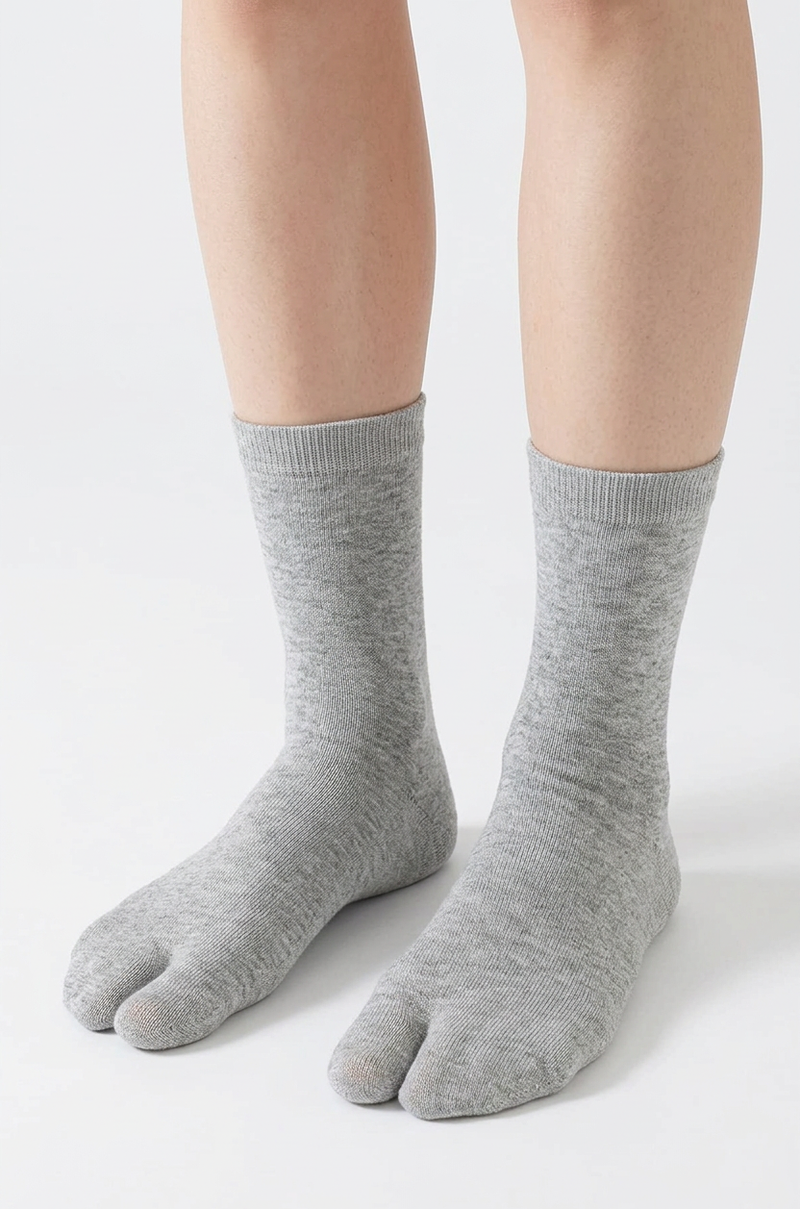
- Socks matter if the ankle shows. Tabi socks are the sock made for jika-tabi.
Tobi pants vs hakama vs harem pants
| Trouser | Where the volume is | Ankle |
|---|---|---|
| Tobi pants | Thigh to below the knee | Tight at the calf |
| Hakama pants | The whole leg, pleated, skirt-like | Open and wide |
| Harem pants | A dropped crotch and seat | Narrow or cuffed |
The hakama vs harem pants guide goes further on the last two.
Our tobi and monpe pants
| Pair | Fabric and size | Price |
|---|---|---|
| Men's Balloon Leg Tobi Trousers | 80% polyester, 20% cotton. One size, drawstring waist 66 to 115 cm, length 90 cm, buttons down the leg, gathered cuff | $39.90 |
| Men's Monpe Balloon Pants | Polyester, pleated front, elastic waist. XXS to S, runs small (S fits 72 to 90 cm) | $49.90 |
Ours are tobi-cut trousers for everyday wear, not certified site workwear. If you work at height, buy from a Japanese workwear maker that meets your site's safety rules. Every Japanese work trouser we stock is in Japanese work pants, and the wider family is in Japanese pants.