








Wabi-sabi (侘寂) is the Japanese way of finding beauty in things that are imperfect, impermanent and incomplete: a tea bowl with an uneven rim, moss on an old stone lantern, a work jacket that has softened and faded over years of wear. It is less a style than a way of looking. Wabi-sabi asks you to notice what time and use leave behind, and to value it instead of hiding it.
What wabi and sabi mean
The two words started apart. Wabi (侘) first described the loneliness of living far from society, and grew to mean a quiet, rustic simplicity that is enough. Sabi (寂) means the beauty that comes with age: the patina on metal, the grey of weathered wood, the calm of something that has lasted. Over the centuries their meanings drew close, and outside Japan they are now nearly always said together. In Japan the two words are still often used on their own.
Where wabi-sabi comes from
The roots are Buddhist. Everything is impermanent, nothing is finished, nothing is perfect, and wabi-sabi turns that fact into something you can see and touch. It took shape in the tea ceremony. The Zen priest Murata Juko moved tea away from costly Chinese wares in the fifteenth century, and about a hundred years later the tea master Sen no Rikyu made it a whole aesthetic. Rikyu built tiny, rough teahouses and asked a tile maker named Chojiro to shape tea bowls by hand. Those bowls, now called raku ware, are still the classic picture of wabi-sabi. A story told about Rikyu sums it up: asked to tidy a garden, he raked it spotless, then shook a tree so a few leaves fell back onto the path.
The idea reached Western designers mostly through Leonard Koren's 1994 book Wabi-Sabi for Artists, Designers, Poets and Philosophers, which set it against the Western taste for symmetry and polish.
The seven qualities

Zen aesthetics is often summed up in seven qualities. You rarely find all of them in one object, but a thing that feels wabi-sabi usually has several.
- Fukinsei (不均斉): asymmetry and irregularity. The enso, a circle drawn in one brushstroke and left open, is the classic example.
- Kanso (簡素): simplicity. Nothing extra, one branch in a vase instead of a bouquet.
- Koko: basic and weathered. Bare branches in winter, wood that has gone silver.
- Shizen (自然): natural, without pretense. Made with skill, but never showing off.
- Yugen (幽玄): subtle depth. The moon half hidden by cloud says more than the full moon.
- Datsuzoku (脱俗): free of convention. Breaking the rule when the rule no longer serves.
- Seijaku (静寂): tranquility and silence. The stillness you feel in an empty temple room.
You can use the illustration above, with a credit link to this page.
Wabi-sabi examples
- Kintsugi. A broken bowl repaired with lacquer dusted in gold. The crack becomes the most beautiful part instead of something to hide.
- Raku tea bowls. Shaped by hand, never on a wheel, with uneven walls and a glaze that pools where it likes.
- Moss gardens. Gardens in Kyoto where moss is allowed to take over stone and roots over centuries.
- Boro and sashiko. Farm clothes patched again and again with scraps and running stitches until the mending is the design. Our sashiko guide has nine patterns to start with.
- Ikebana. A single bent branch, with the empty space around it as part of the arrangement.
Wabi-sabi at home
In interior design, wabi-sabi means fewer things, made from materials that age well: wood, clay, stone, paper, linen. Leave surfaces their natural texture. Keep the chipped cup you love. Choose handmade over perfect, and let rooms have empty space. It is not shabby chic and it is not mess. A wabi-sabi room is calm and cared for, it just does not pretend to be new.
Wabi-sabi in what you wear
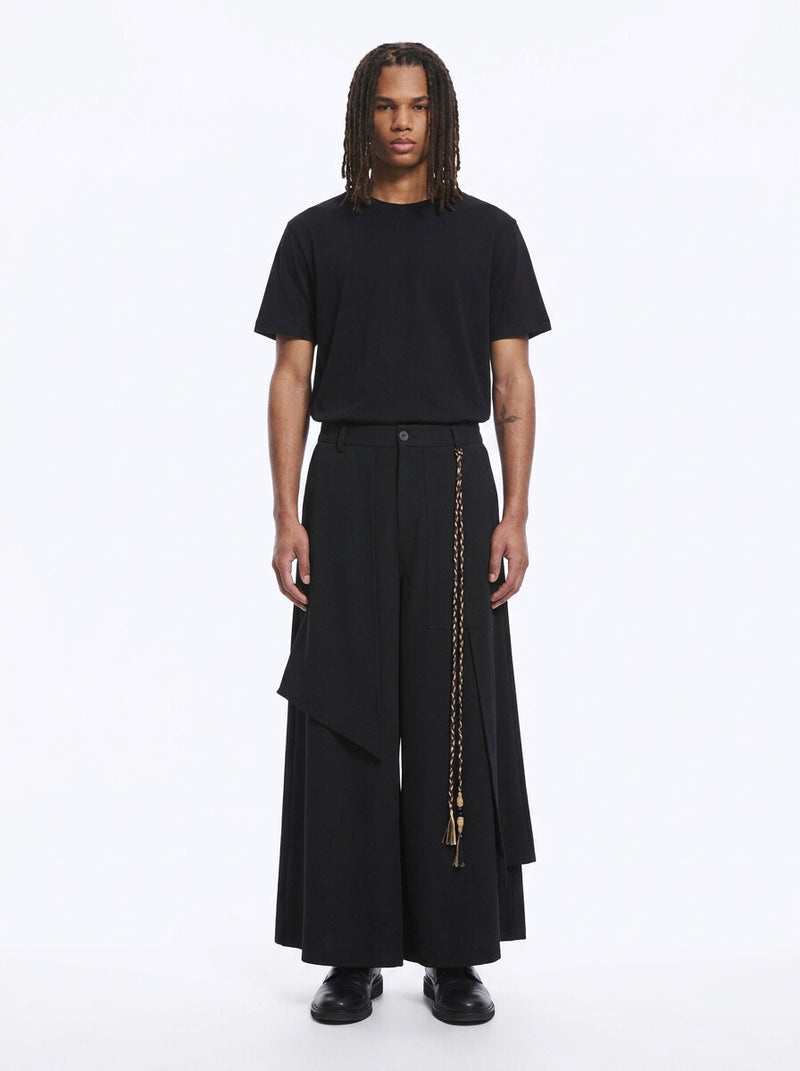
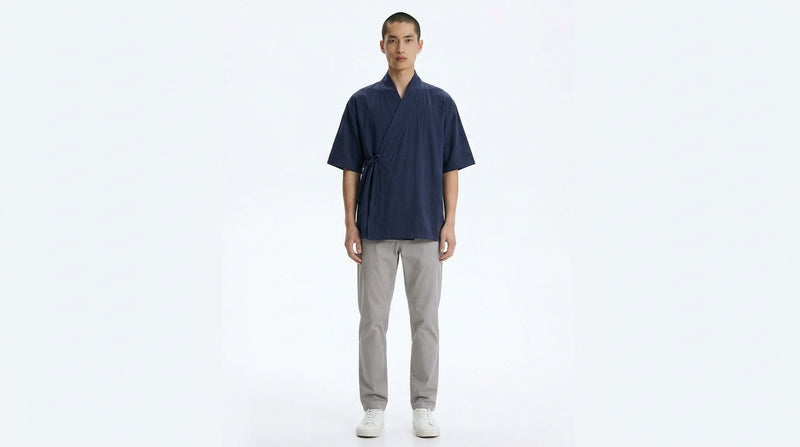
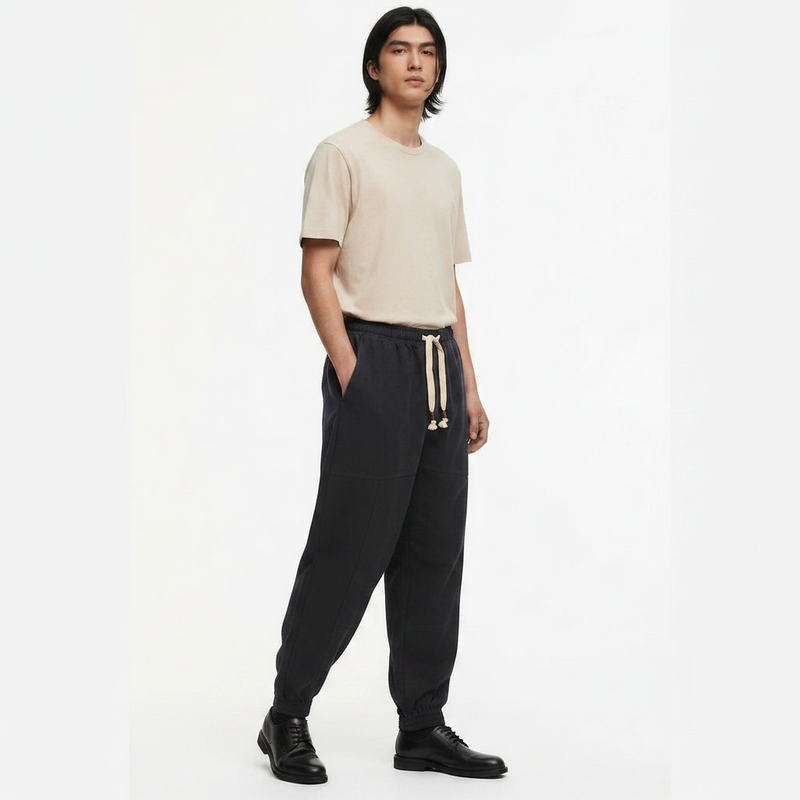
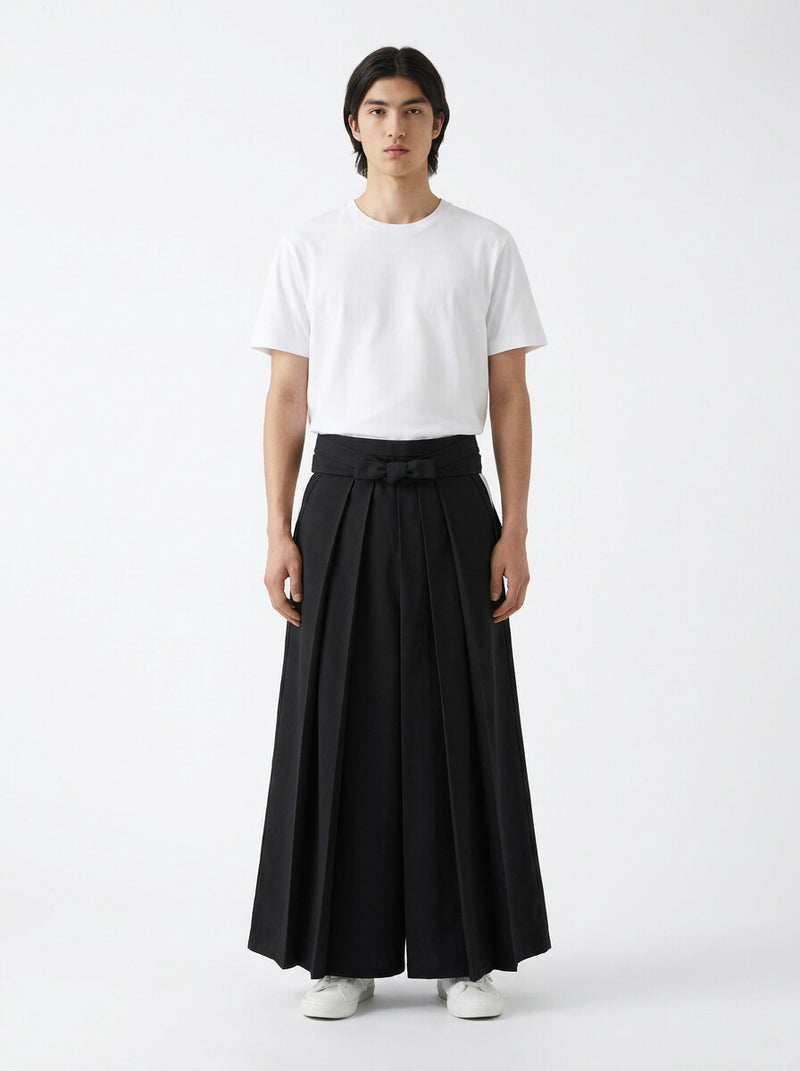
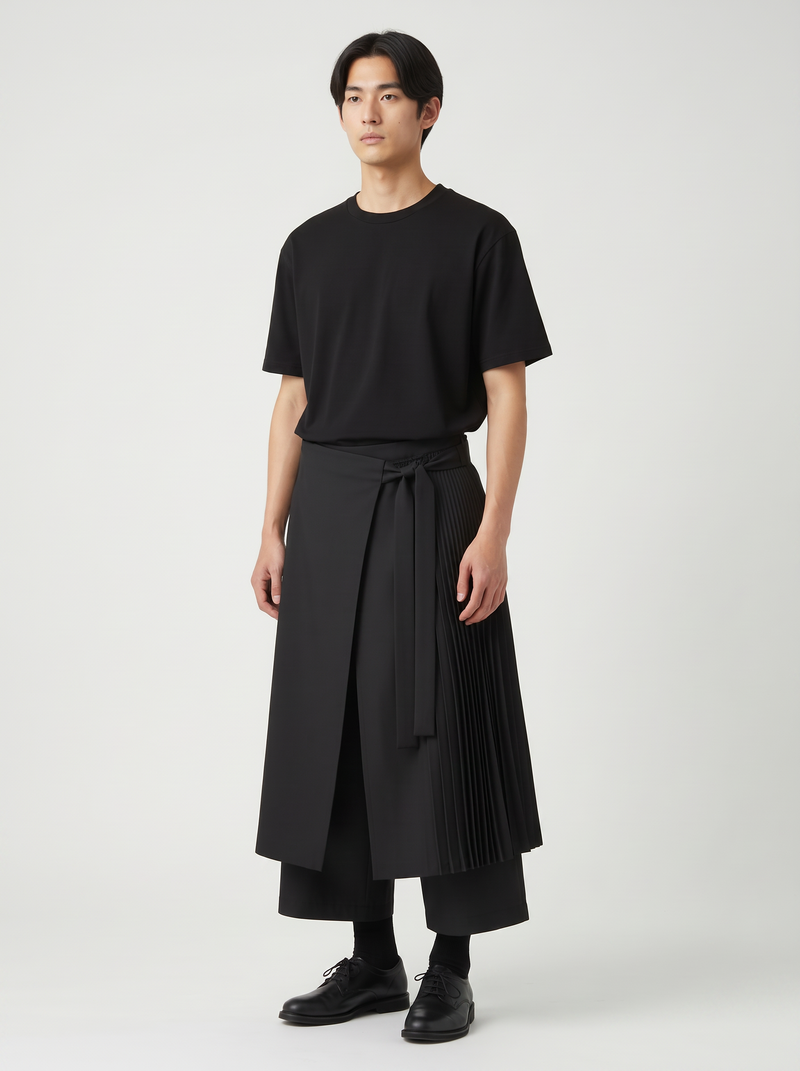
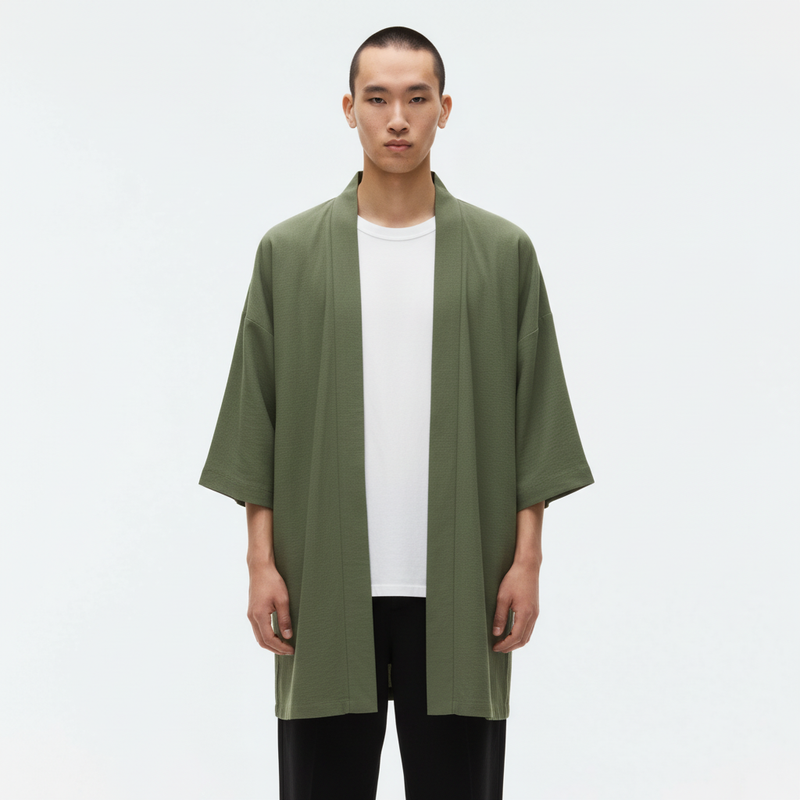
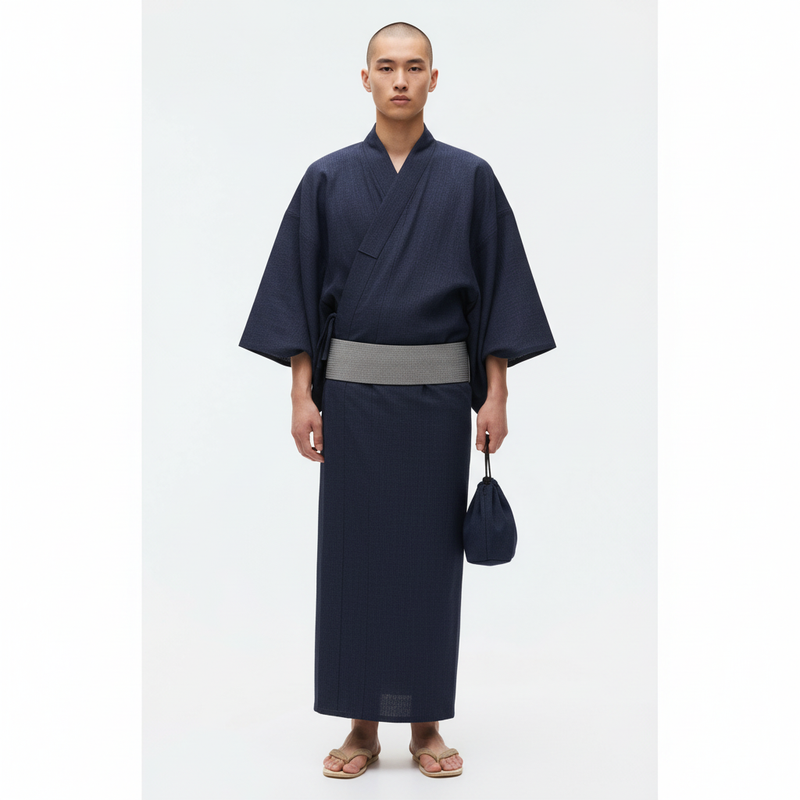
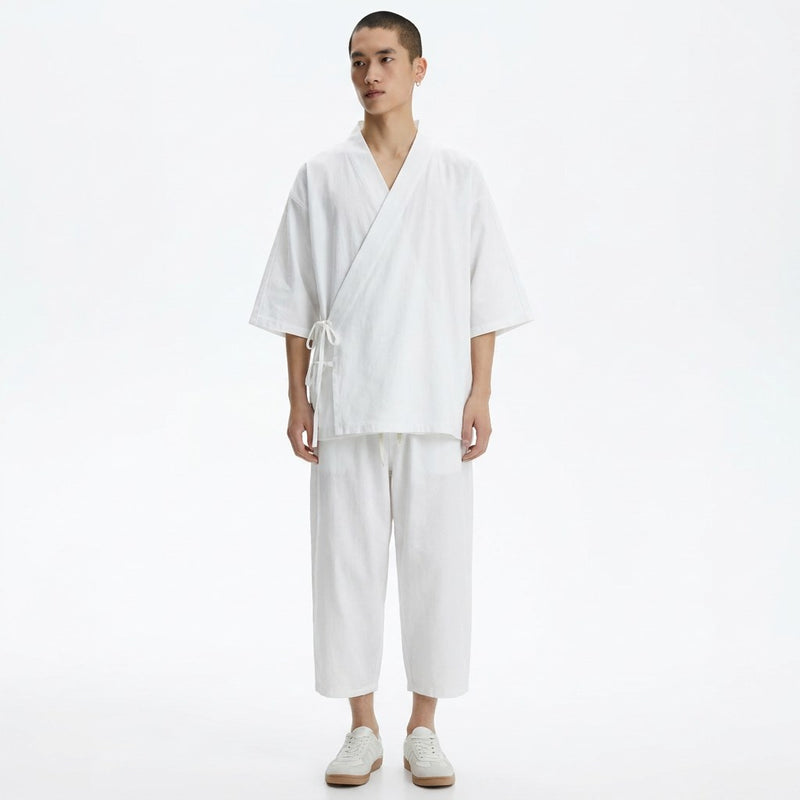
Clothes show wabi-sabi best, because they record how you live. Japanese workwear was made to be worn in, washed hard and mended. The samue, the work clothes Zen monks wear for temple chores, is wabi-sabi you can put on: plain, loose and made for doing things. The noragi, the farmer's jacket, is the same idea for the field.
A few ways to dress with wabi-sabi in mind:
- Buy fewer pieces and wear them often. A jacket only gets character from use.
- Pick colours that age well, like indigo, charcoal, undyed and earth tones, which fade gently instead of looking worn out.
- Mend instead of replacing. A visible repair is part of the story.
- Choose loose, simple cuts that move with you, the opposite of fast fashion.
At Amaji, the noragi collection starts at $47.90, and the Indigo Noragi Jacket, $149.00, is the piece most made to be worn for years. The Seigaiha Samue Set, $69.90, is the easiest way into monk's workwear at home.
What wabi-sabi is not
Wabi-sabi is not an excuse for poor quality. A raku bowl is irregular because a master shaped it by hand, not because it was made carelessly. It is also not a look you can buy finished. Distressed on purpose misses the point, because wabi-sabi is about real time and real use. For more depth, Wikipedia's articles on wabi-sabi and Japanese aesthetics collect the sources.
Written by the Amaji team, November 12, 2026. How we write our guides.