









Geta and zori, and how to choose
What are Japanese sandals?
Japanese sandals are thong sandals worn with traditional dress, and the two main kinds are geta and zori. Japanese samurai sandals were the same two, worn with hakama, plus straw waraji for the road. Geta are wooden sandals raised on two crosswise teeth, with a fabric thong between the first two toes, and they clack on pavement. Zori are flat, with a woven straw or fabric footbed, and they came before the flip flop. Both are worn with a yukata or a kimono, and with tabi socks, whose split toe takes the thong. Amaji sells six pieces from $19: wooden geta sized by foot length from 25 to 28 cm, patterned strap geta in EU 39 to 41 and EU 42 to 44, zori with a tatami-style straw footbed and a light EVA sole from EU 36 to EU 45, and the tabi socks to wear with them. Orders ship to 33 countries, free over $45 USD, with returns within 30 days of delivery.
Geta, the wooden sandals
Geta stand on two crosswise teeth, with a thong strap between the first two toes. Ours come in two versions. The wooden geta have a base of pale natural wood and a padded fabric thong, in four sizes by foot length from 25 to 28 cm. The patterned strap geta are stained brown or black, with a black pad on each tooth so they grip the floor and walk more quietly than bare wood, in two sizes, EU 39 to 41 and EU 42 to 44.
Zori, the flat sandals
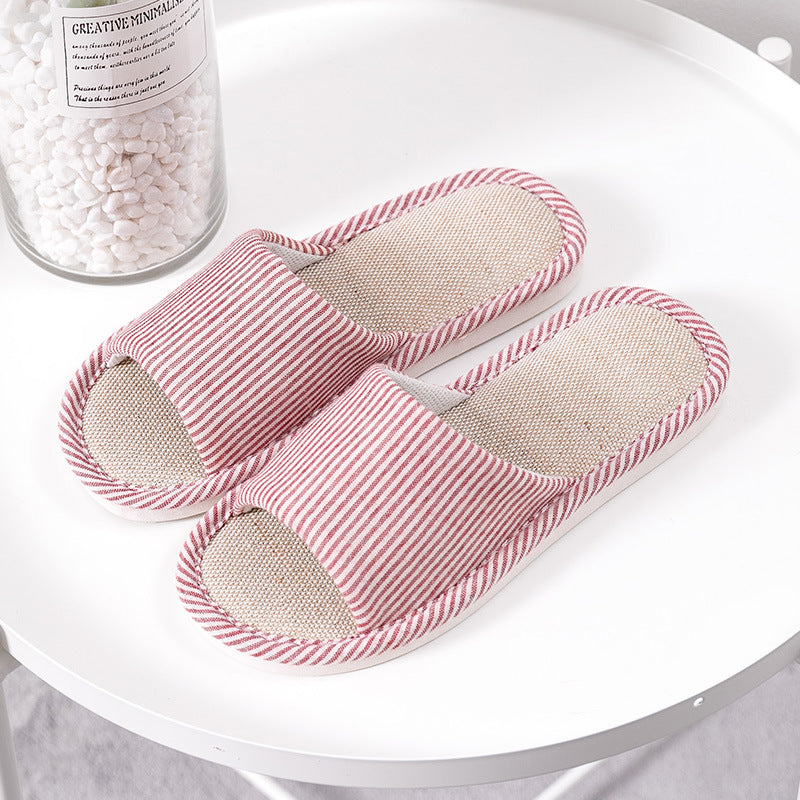
Zori are the flat thong sandals that came before the flip flop. Our zori have a footbed of woven straw matting in the tatami style, a padded black thong and a thick, light EVA sole, so they cushion better than a thin straw zori and stand up to pavement. Each size covers two EU sizes, from EU 36-37 to EU 44-45.
Geta or zori
Choose geta for the classic look with a yukata and for the sound and lift of wood. Choose zori for comfort, for walking further and for wearing at home or at the beach. Geta are worn with the heel sitting slightly past the back edge, so if you fall between two sizes, take the smaller one.
Tabi socks to go with them
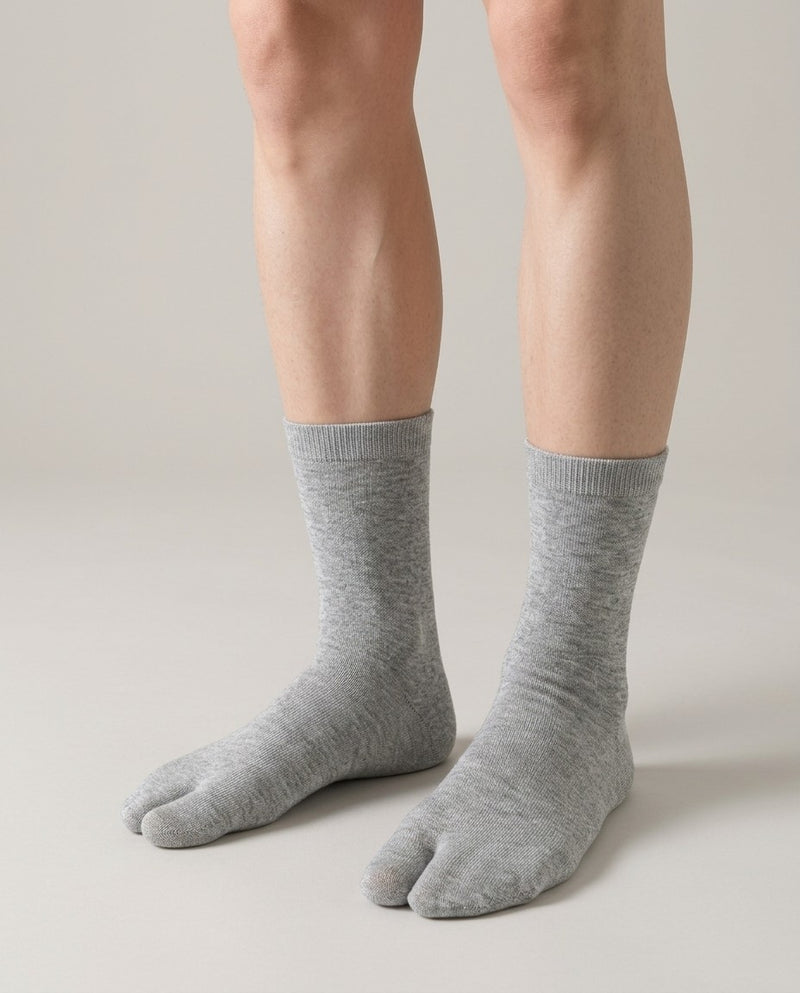
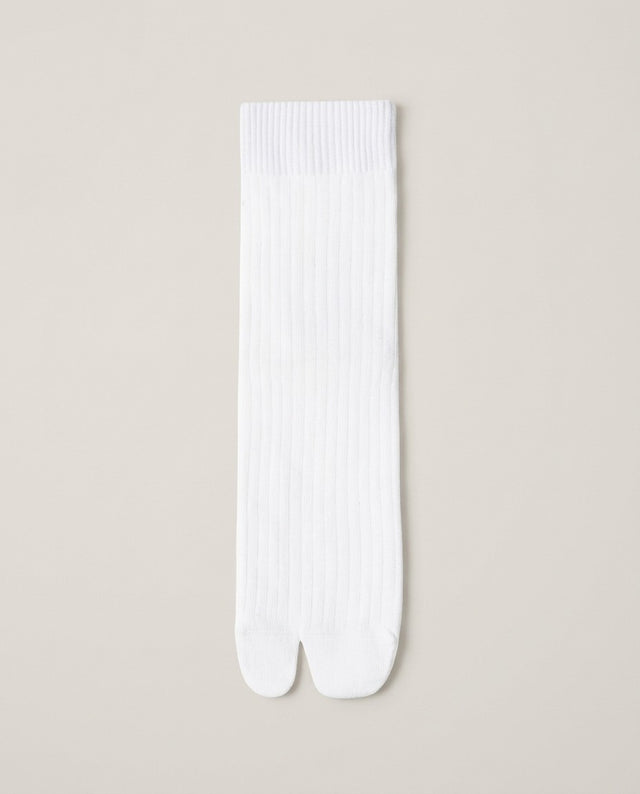
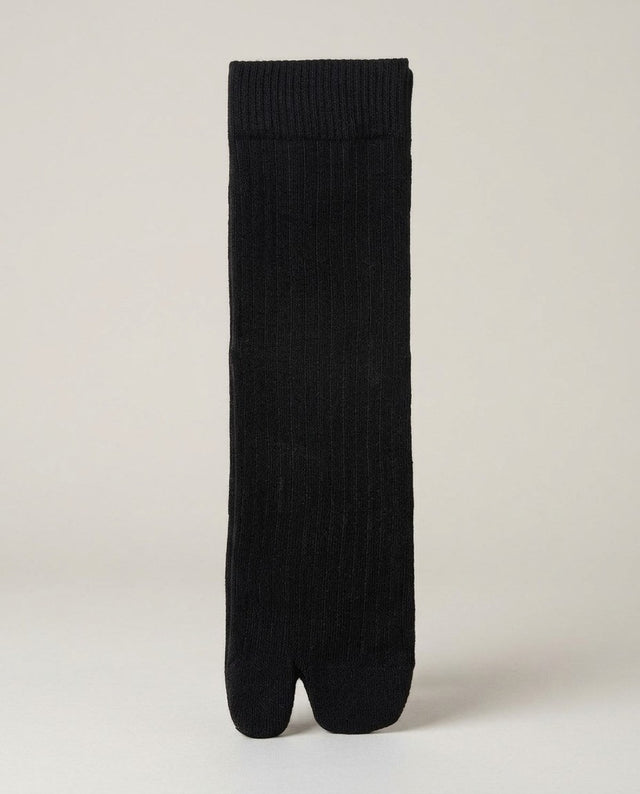
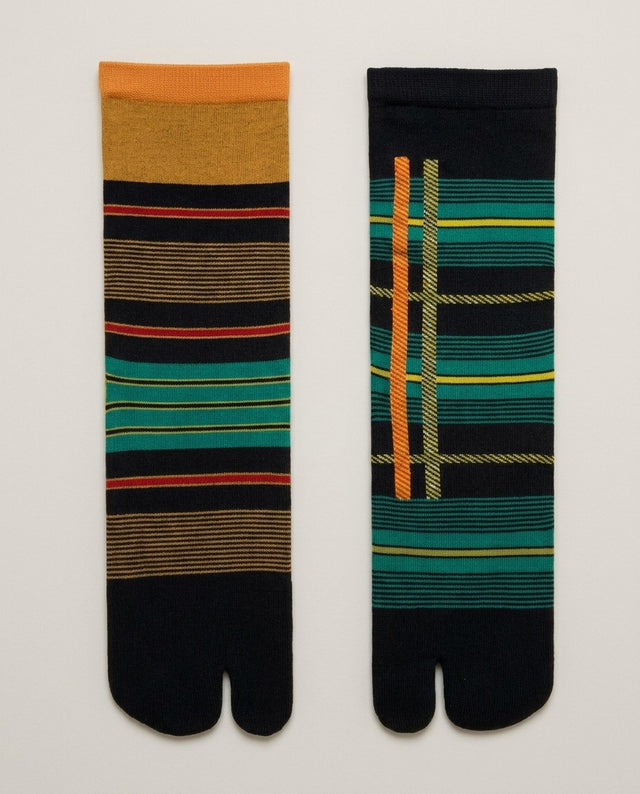
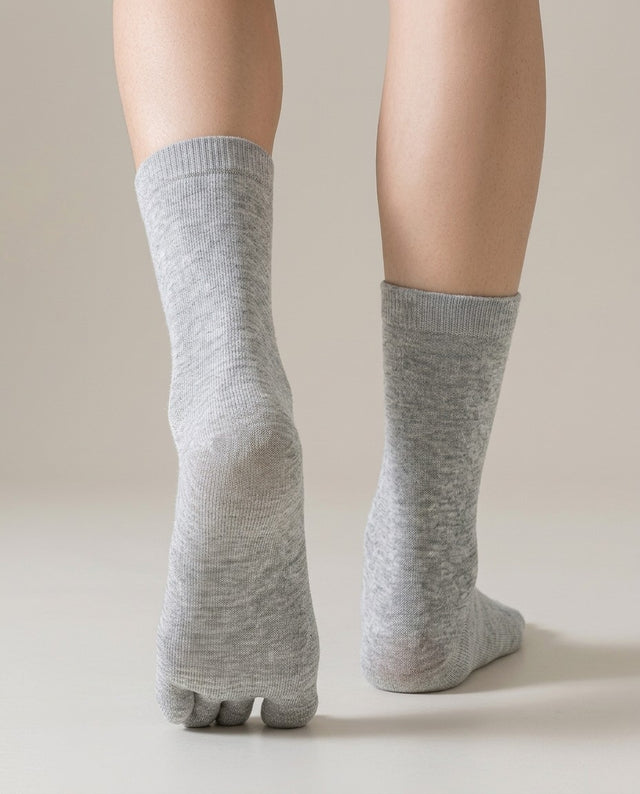
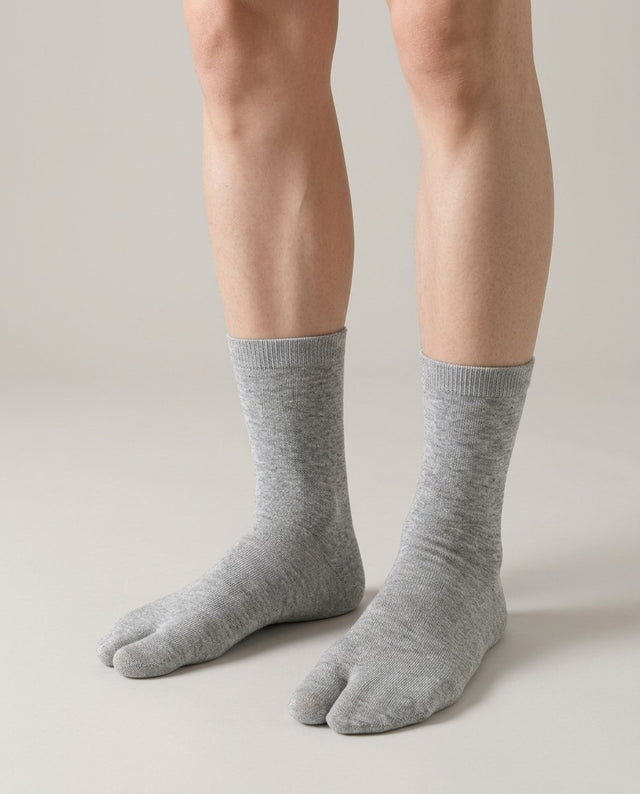
A thong sandal needs a sock with a split toe, which is why tabi socks sit here too. They come plain in ribbed cotton, in grey to mid calf, or in cotton jacquard patterns, in one size. Our guide explains what tabi socks are, and the tabi socks page has the full range.
What to wear them with
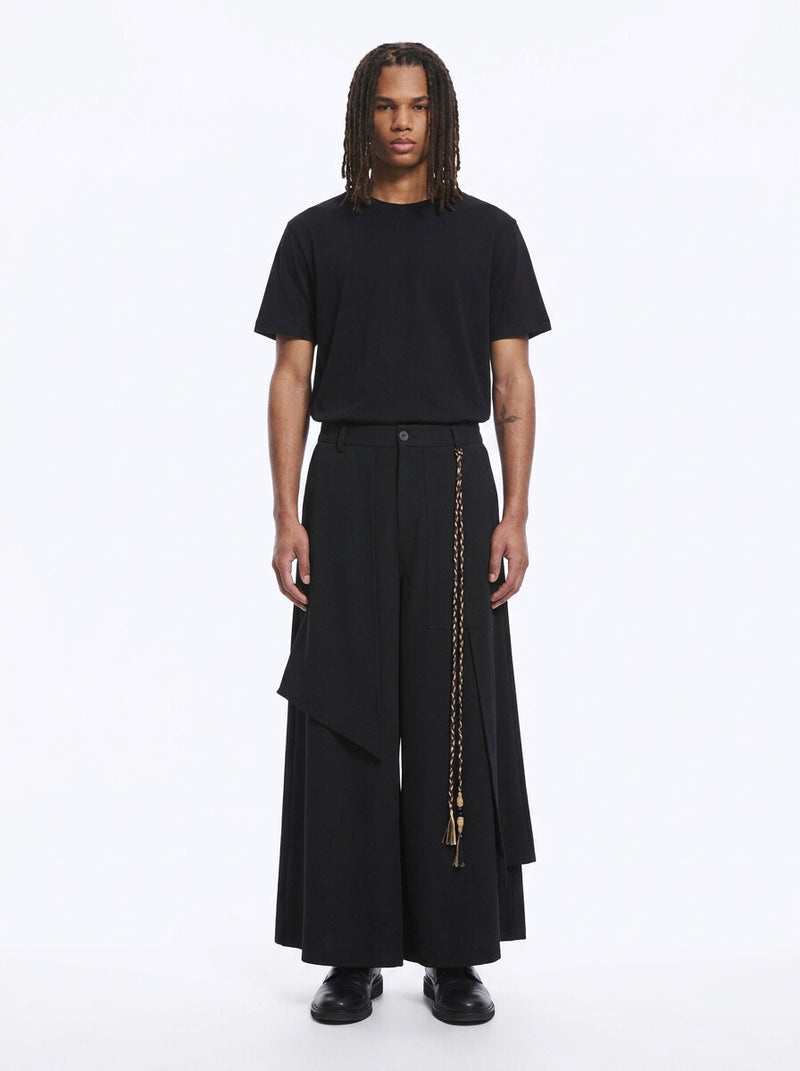
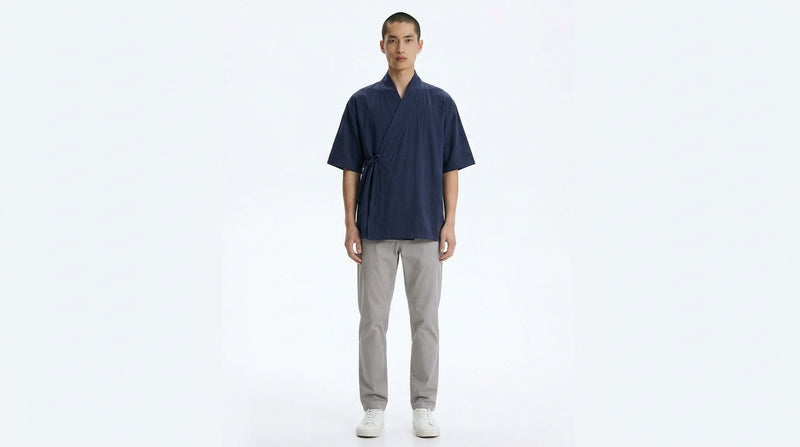
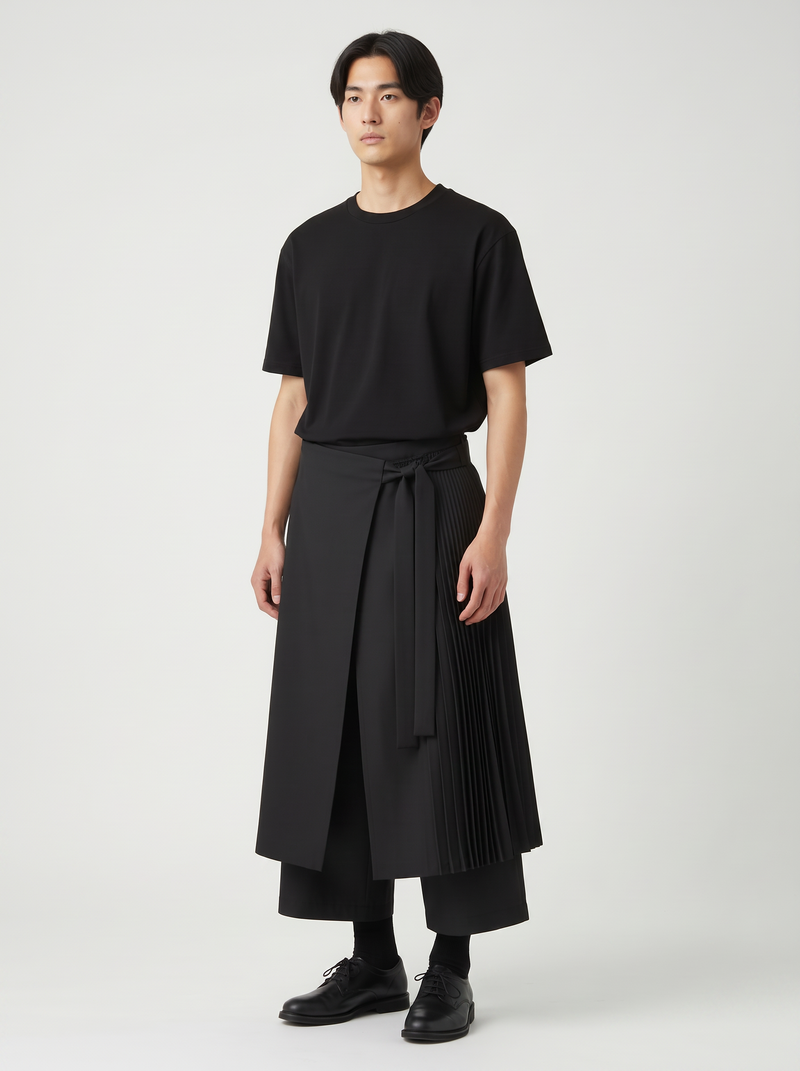
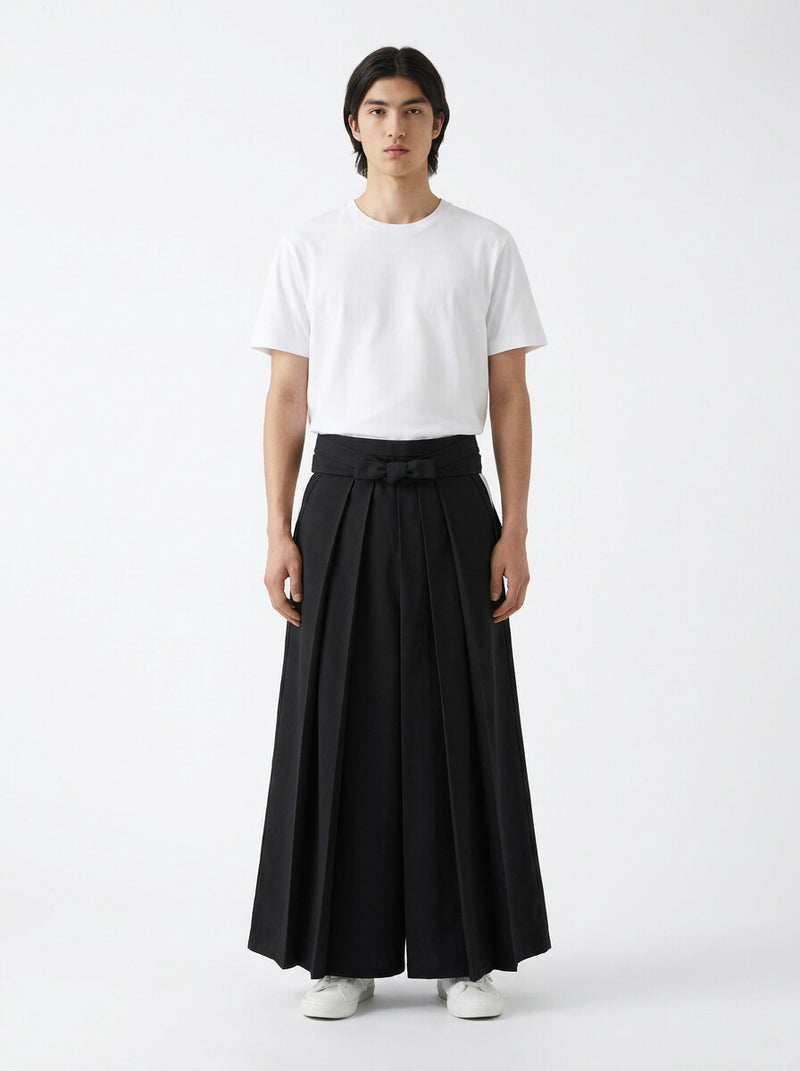
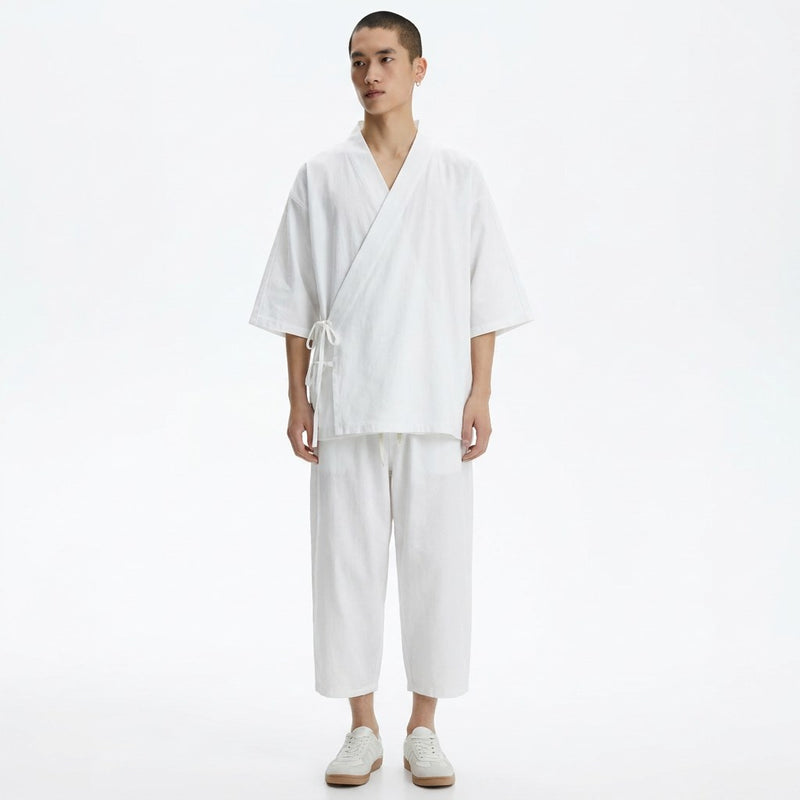
A yukata is the traditional match. They also work with hakama pants or wide trousers, and with shorts in summer.
Measurements come from the manufacturer's flat size table for each garment, converted to centimetres and mapped onto one size ladder. Available for 3 of the 6 garments here, last checked 2026-11-04. How we measure.
Japanese Sandals at a glance
| Piece | Fabric | Fit | Sizes | Price |
|---|---|---|---|---|
| Men's Wooden Geta Sandals, Two-Tooth Natural Wood | Wooden base, fabric strap | Sized by foot length | 25 cm (EU 35-40)–28 cm (EU 44-46) | $51.00 |
| Japanese Geta Sandals, Two-Tooth Wood with Patterned Straps | Wooden base, fabric strap | Two sizes, by EU shoe size | EU 39-41–EU 42-44 | $44.00 |
| Japanese Zori Sandals, Tatami Straw Footbed, Padded Thong | Straw-mat footbed, fabric strap, EVA sole | By EU shoe size | EU 36-37–EU 44-45 | $37.00 |
| Men's Plain Cotton Tabi Socks, Split-Toe Mid-Calf | Cotton | One size | $19.00 | |
| Japanese Pattern Tabi Socks, Split-Toe Cotton Jacquard | Combed cotton blend, about 70 to 80% cotton | One size | $19.00 | |
| Grey Tabi Ninja Socks, Split Toe Cotton Mid-Calf | Cotton | One size | $19.00 |
Frequently asked questions
What are Japanese sandals called?
The two main types are geta, which are wooden sandals raised on two teeth, and zori, which are flat thong sandals. Setta are a flat zori with a leather sole. We sell geta and zori.
What is the difference between geta and zori?
Geta have a wooden base standing on two crosswise teeth, so they lift you off the ground. Zori are flat, and ours have a straw-mat footbed on a cushioned EVA sole, which makes them easier to walk in.
What size Japanese sandals should I get?
Wooden geta go by foot length from 25 to 28 cm, the patterned strap geta come in EU 39 to 41 and EU 42 to 44, and zori run from EU 36-37 to EU 44-45. Geta are worn with the heel slightly past the back edge, so between sizes take the smaller one.
Can you wear socks with Japanese sandals?
Yes, with tabi socks. The big toe sits in its own pocket, so the thong of the sandal fits between the toes.