
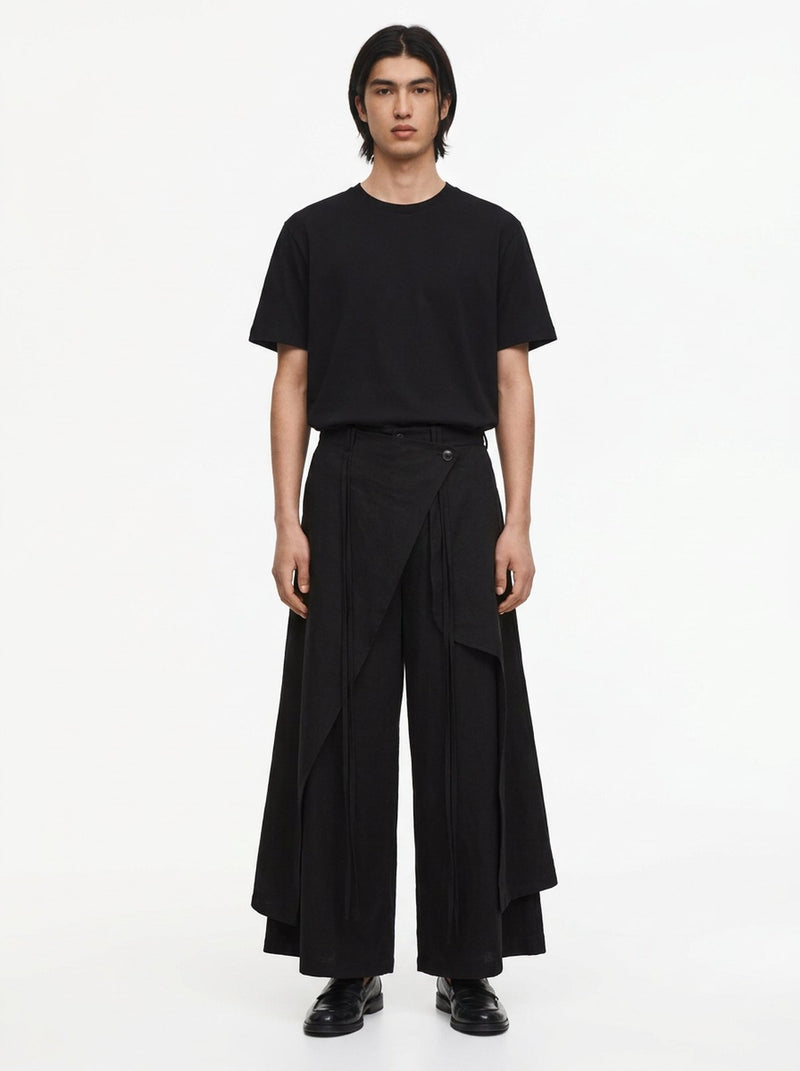
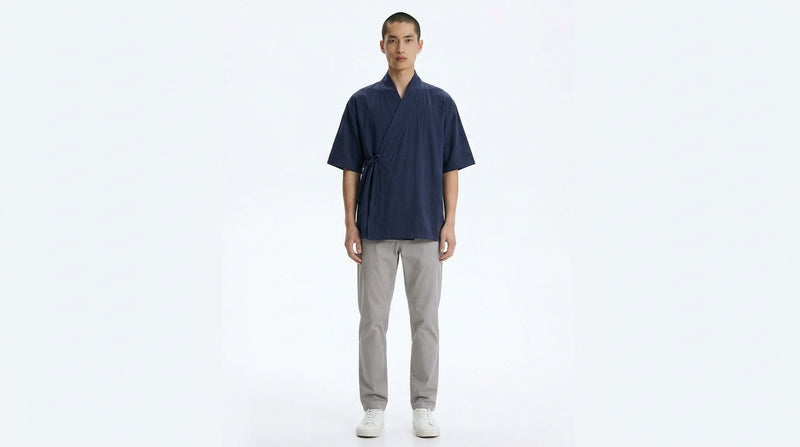

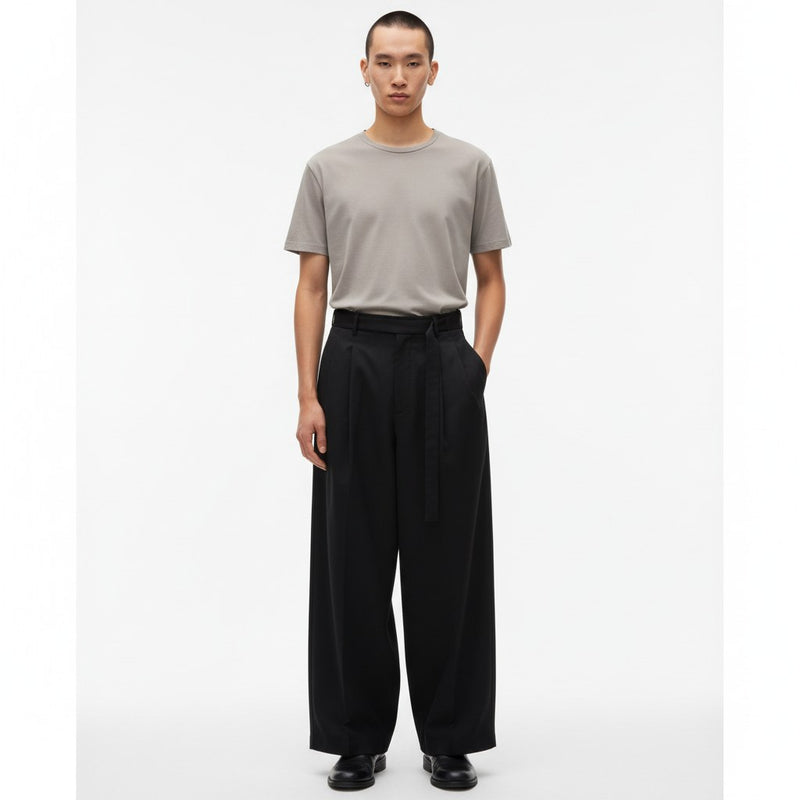
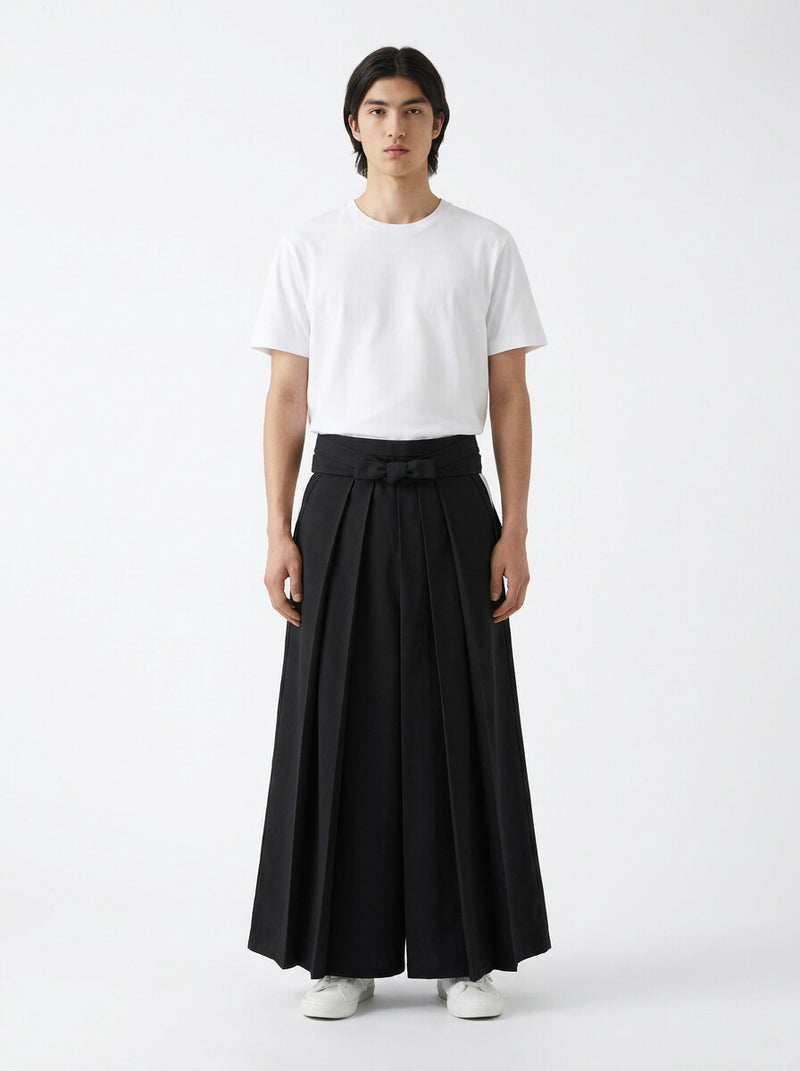

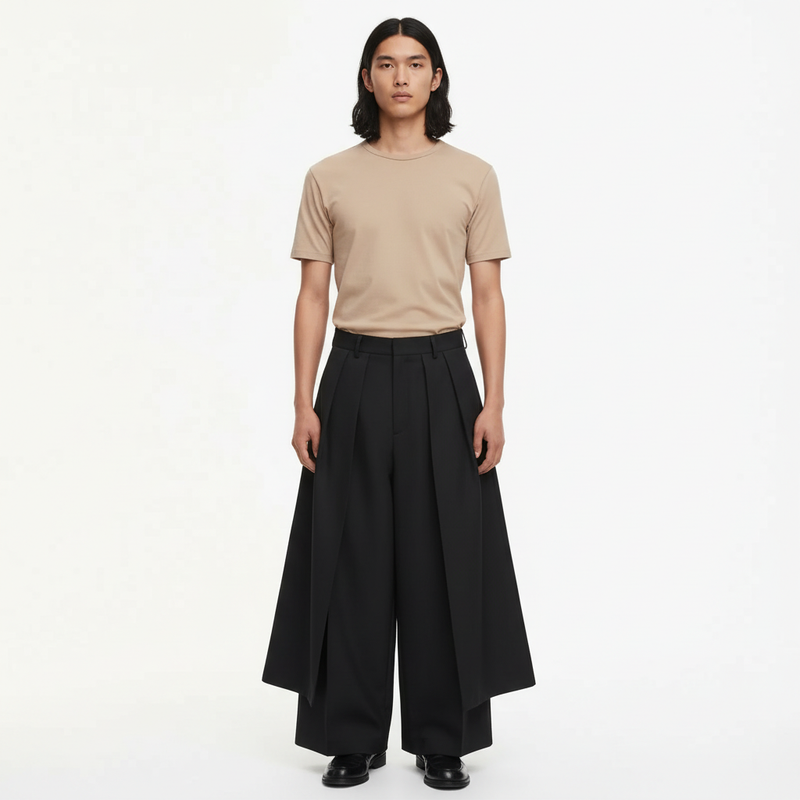
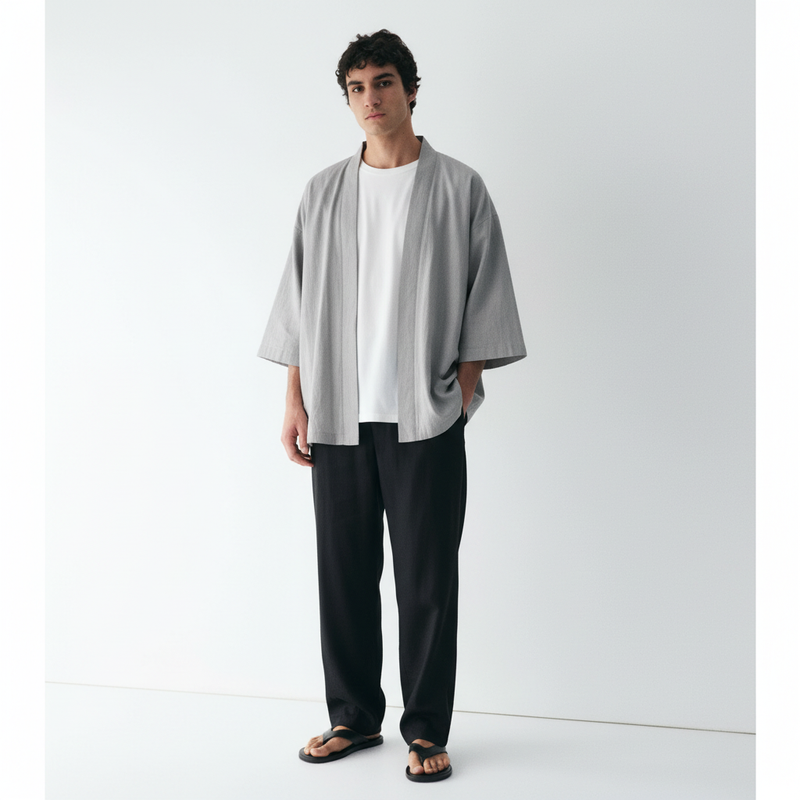
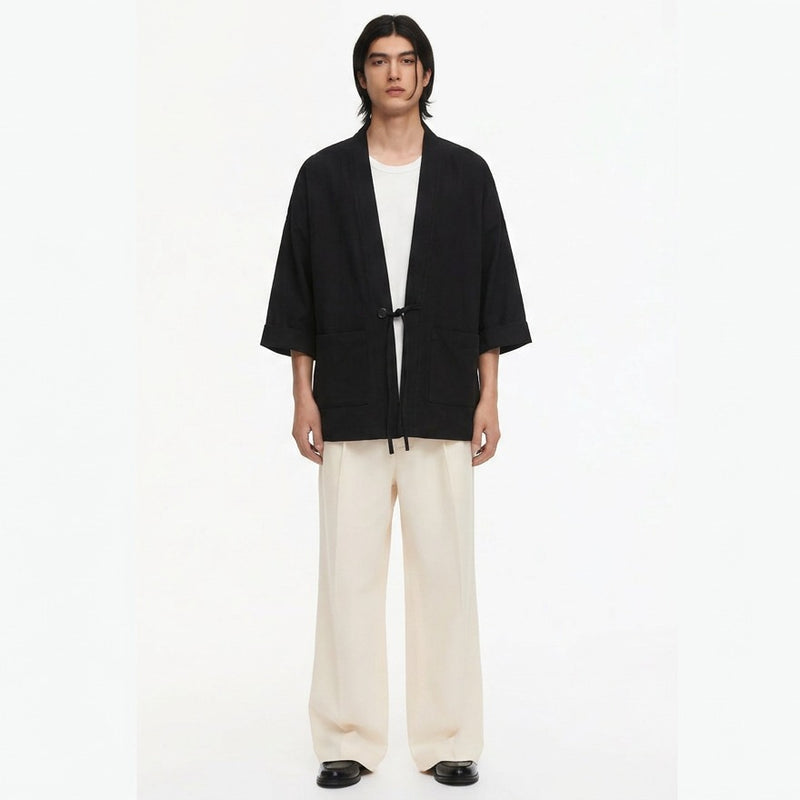
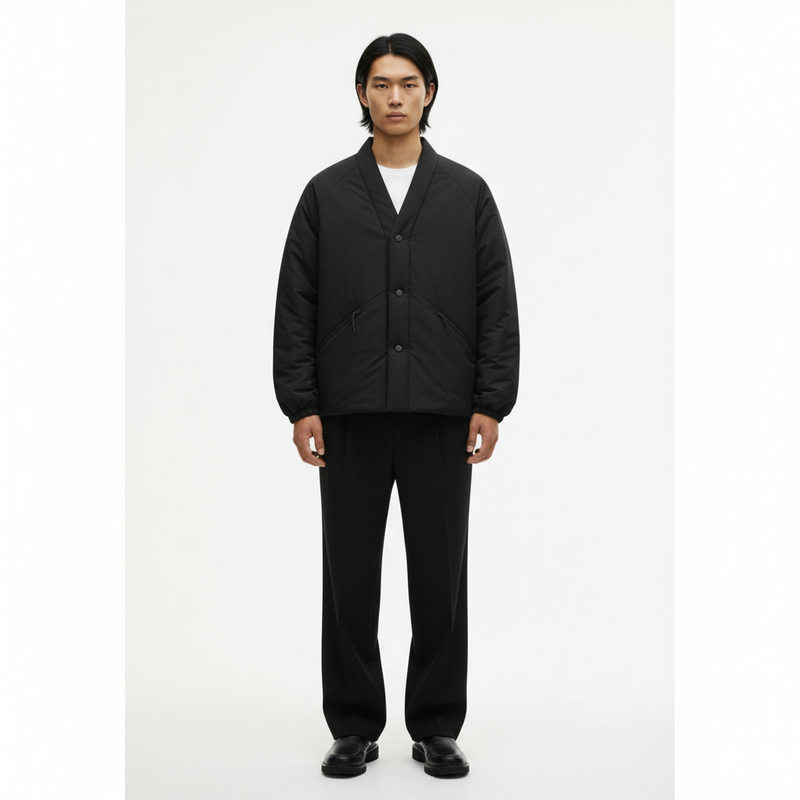
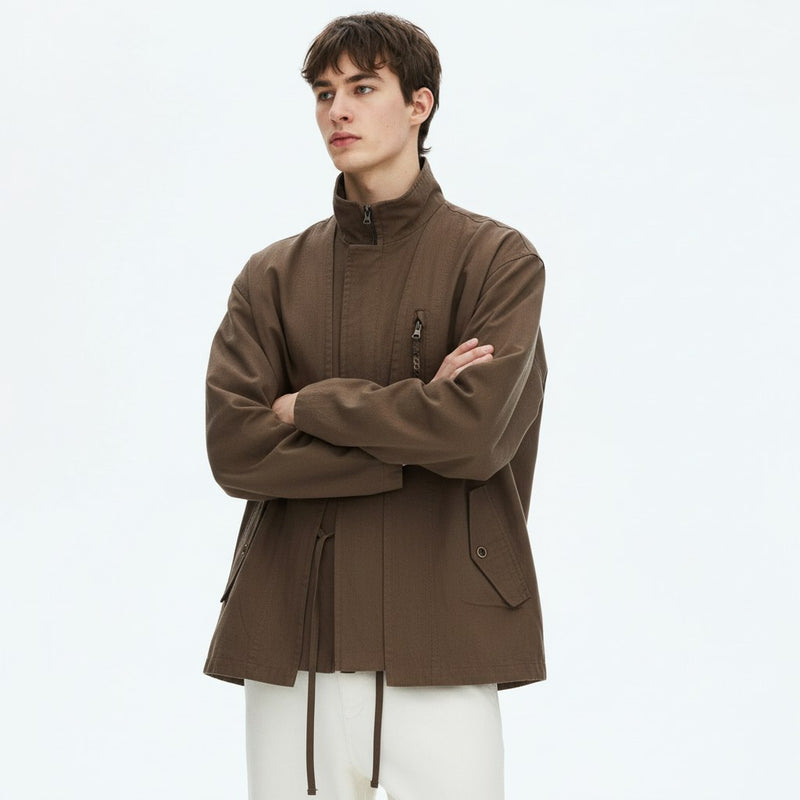
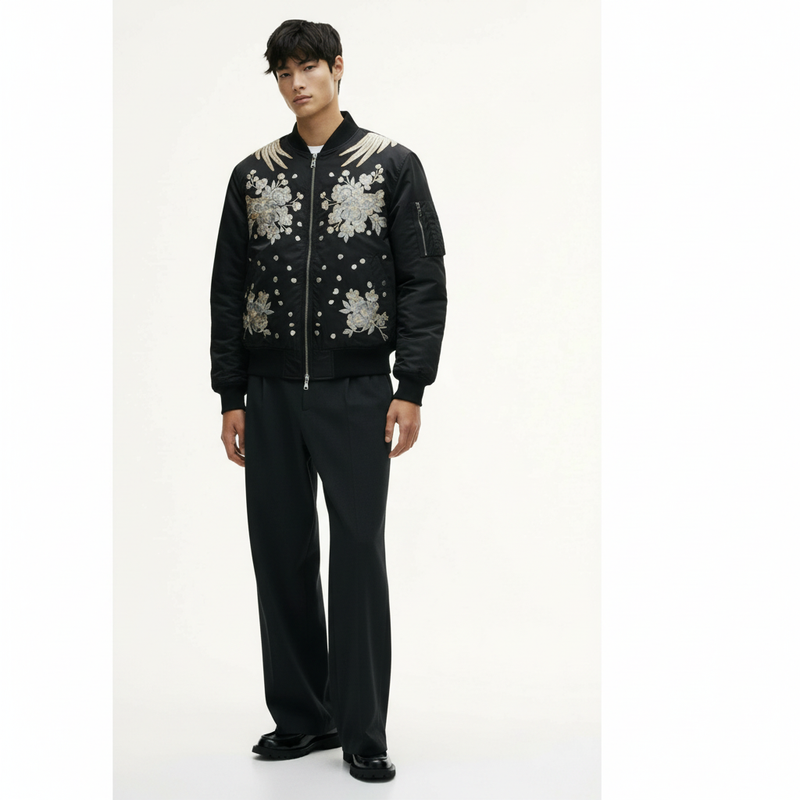

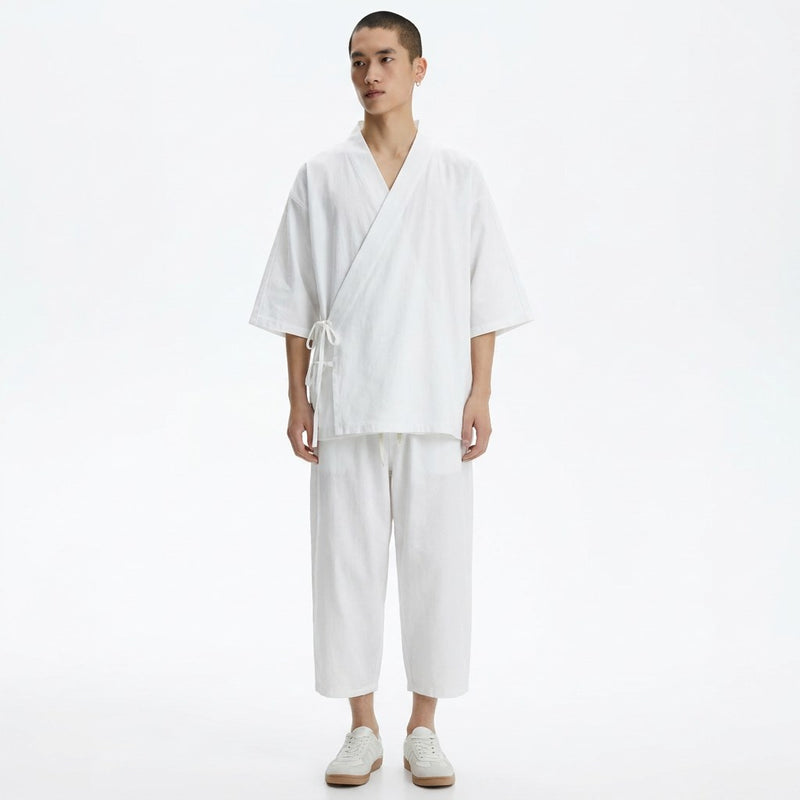


In Japan, the hakama (袴), a pleated garment tied at the waist that is either divided like trousers or undivided like a skirt, is now worn mostly for occasions rather than daily life. You will see it at graduations, weddings, children's shrine visits, martial arts dojos, Shinto shrines and formal shogi matches. For a pair you can wear yourself, start with our hakama pants collection.
Is hakama still worn in Japan?
Yes, in a narrow set of places. A century ago a man would put hakama over his kimono for any formal visit. Today almost nobody wears one to the office. The hakama survived by attaching itself to ceremonies, religious work and the traditional arts, where it signals respect the way a suit does in the West.
So hakama in Japan follow the calendar: graduations in March, Shichi-go-san in November, Coming of Age Day in January. Shrines and dojos wear them all year.
Who wears hakama in Japan, and when
| Occasion | Who wears it | What it looks like |
|---|---|---|
| University graduation (March) | Mostly women graduates, some men | Plain or gradient hakama over a furisode (振袖, swinging sleeves) or shorter-sleeved kimono, often with lace-up boots |
| Weddings | Grooms at Shinto ceremonies | Gray striped hakama with a black montsuki (紋付), a kimono bearing the family crest, and a haori (羽織) jacket |
| Shichi-go-san (七五三, seven five three), November | Boys aged five, sometimes three | A child-size version of the same formal set |
| Coming of Age Day (Seijin no Hi, 成人の日), January | Some young men | Formal crested set, sometimes in loud colors |
| Shinto shrines | Priests (kannushi, 神主) and shrine maidens (miko, 巫女) | Miko wear scarlet hakama over white. A priest's hakama color shows rank |
| Martial arts dojos | Kendo, iaido, aikido, kyudo and naginata students | Divided hakama, usually indigo, black or white, with a practice jacket |
| Traditional arts | Tea masters, Noh actors, shogi and go players at title matches | Formal hakama over kimono, often with a crested haori |
Types of hakama in Japan
- Umanori (馬乗り, horse riding): divided legs, like very wide trousers. The standard men's hakama and the one used in martial arts.
- Andon-bakama (行灯袴, lantern hakama): no division between the legs, so it hangs like a pleated skirt. Most graduation hakama are this type, and some men's formal hakama are too.
- Hibakama (緋袴, scarlet hakama): the bright red hakama of shrine maidens.
- Sendaihira (仙台平): not a cut but a striped weave from Sendai, long prized for men's formal hakama.
Most adult hakama have seven pleats, five in front and two in back. They are often said to stand for the seven virtues of bushido, though historians treat that as a later story. For the parts and fit, see What Is a Hakama?
Hakama in Japan: a short history
Trouser-like garments appear on clay figures over 1,400 years old, and by the Heian period (794 to 1185) hakama were part of court dress. Samurai later made them daily wear, and their Edo-period formal outfit, the kamishimo (裃), paired hakama with a stiff sleeveless top.
In the Meiji era (1868 to 1912), as men moved to Western suits, students at the new girls' schools took up hakama over kimono so they could move freely. The look came to stand for the educated young woman, which is why Japanese women still choose hakama for graduation.
Do people in Japan wear hakama every day?
A few do. Shrine staff, martial arts teachers and some kimono enthusiasts wear them as work or daily clothes. For everyone else the influence shows up in shape: wide, pleated, tie-front trousers are common in Japanese streetwear, worn with a T-shirt instead of a kimono. More on that in Japanese Streetwear Pants.
Wearing or buying a hakama in Japan as a visitor
- Rent for a day. Kimono rental shops in Kyoto, Tokyo's Asakusa and other sightseeing areas offer men's kimono with hakama and women's graduation-style sets. Staff dress you and tie everything.
- Buy second-hand. Recycled kimono shops often stock used hakama, many of them formal. Check the length carefully before you buy.
- Visit a martial arts shop. If you train, a budōgu (武道具, martial arts equipment) shop will fit a hakama to your art and grade.
- Join a trial class. Some dojos and cultural centers that welcome visitors lend a hakama for the session.
People in Japan generally read a visitor in a well-tied hakama as interest, not disrespect. The one thing to avoid is treating a working uniform as a costume: a miko's red hakama belongs to the shrine role. Shopping from home instead? Our comparison of where to buy hakama pants covers everyday and dojo pairs.
Hakama pants from Amaji
To be plain about what we sell: Amaji offers affordable, everyday hakama-style pants, made in China. They are not formal crested hakama for a Japanese wedding, not made-in-Japan heritage pieces, and not a substitute for the regulation hakama a dojo may require. For those, a kimono specialist or budōgu shop is the right call. The median hakama at specialist shops sells for $79.97.
For everyday wear:
- Men's Wide Pleated Japanese Hakama Pants, $89.00, one size, black.
- Men's Lightweight Hakama Pants, Wide Leg with Front Ties, $57.90, sizes XS to 3XL in Black, Grey and Army Green.
- Men's Pleated Samurai Hakama Pants, $44.90, sizes XS to XL, black.
- Men's Kendo Hakama, Seven Pleats, $44.90, sizes XXS to XXL in White, Black and Navy. Fine for the look or casual practice, but check your dojo's rules first.

Before ordering, check the hakama size guide. Once your pair arrives, how to tie a hakama walks through the knot, and how to wear hakama pants has outfit ideas. Shopping for a woman's pair? See hakama pants for women.
Written by the Amaji team, October 18, 2026. How we write our guides.