
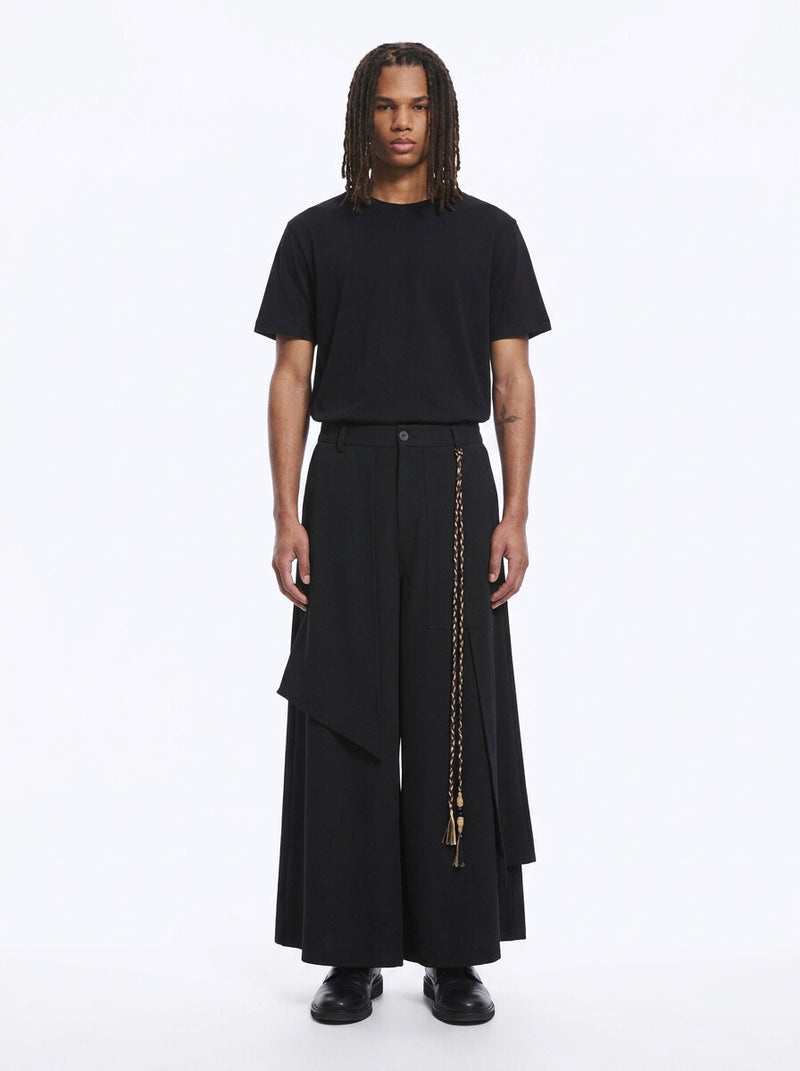
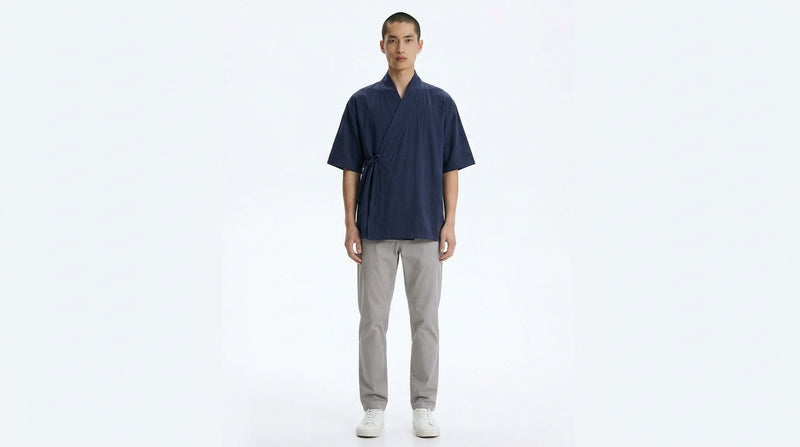
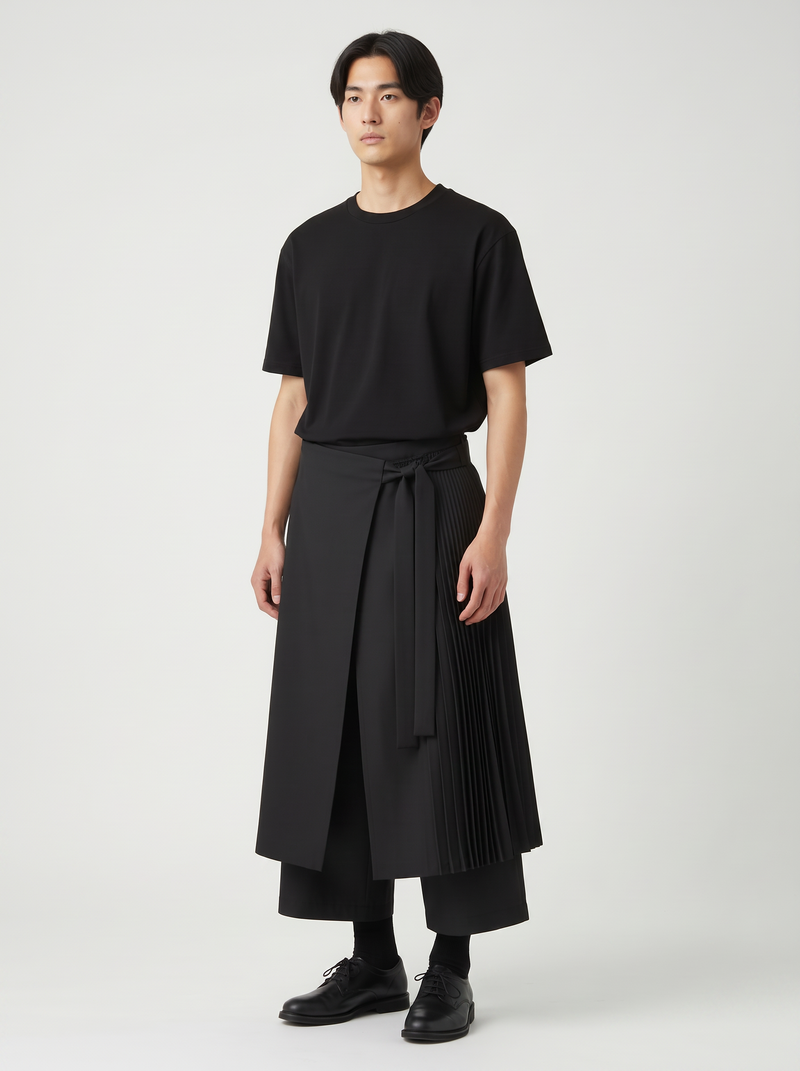
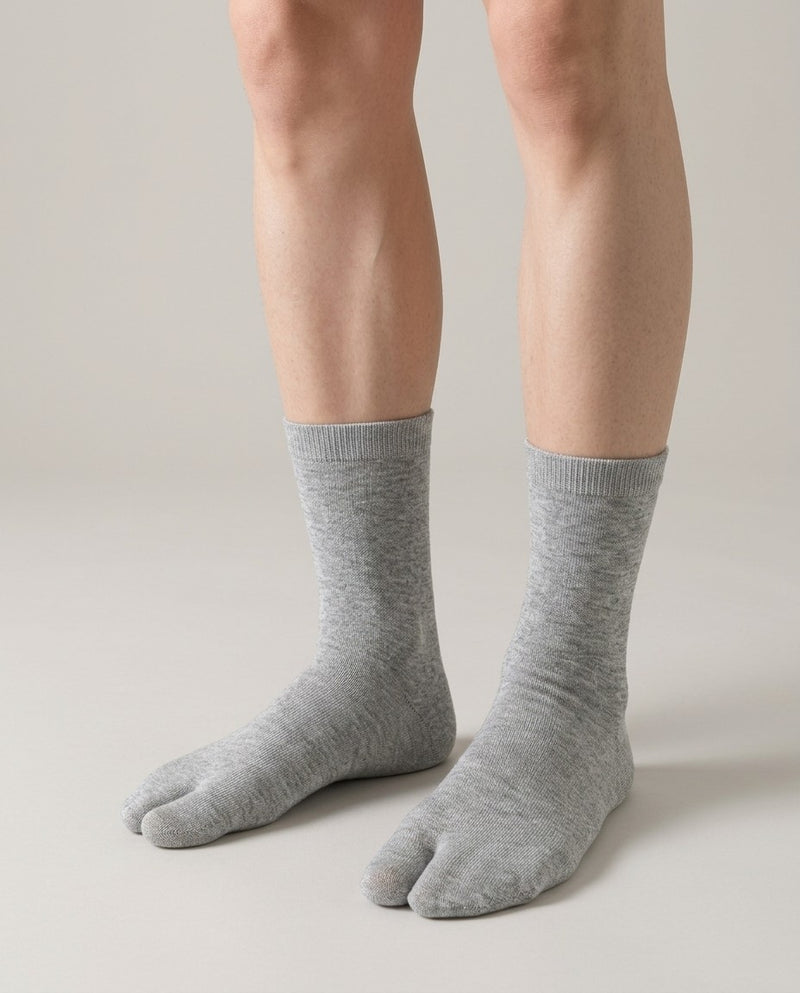

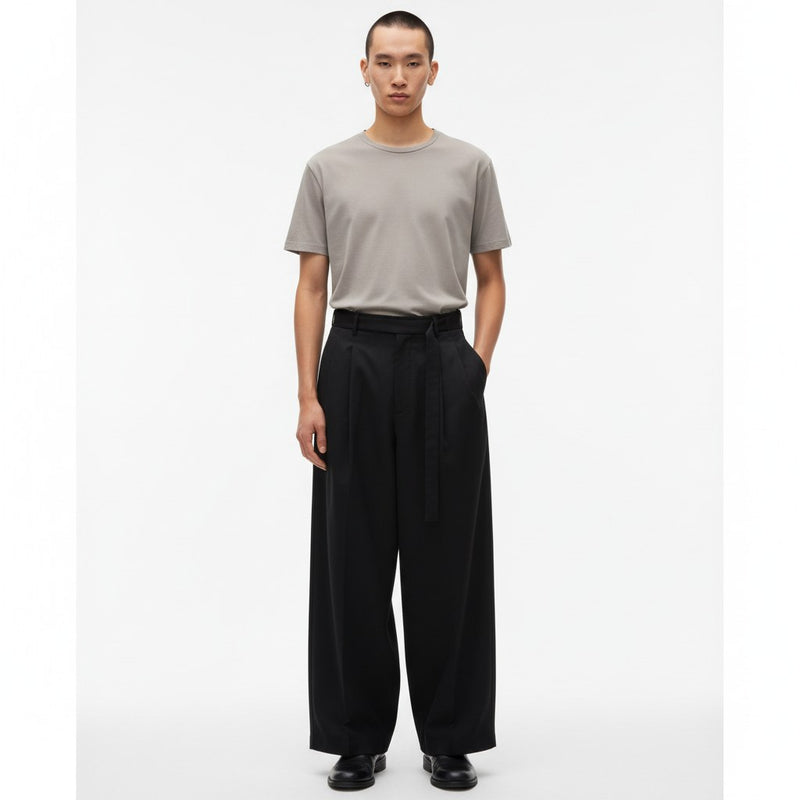
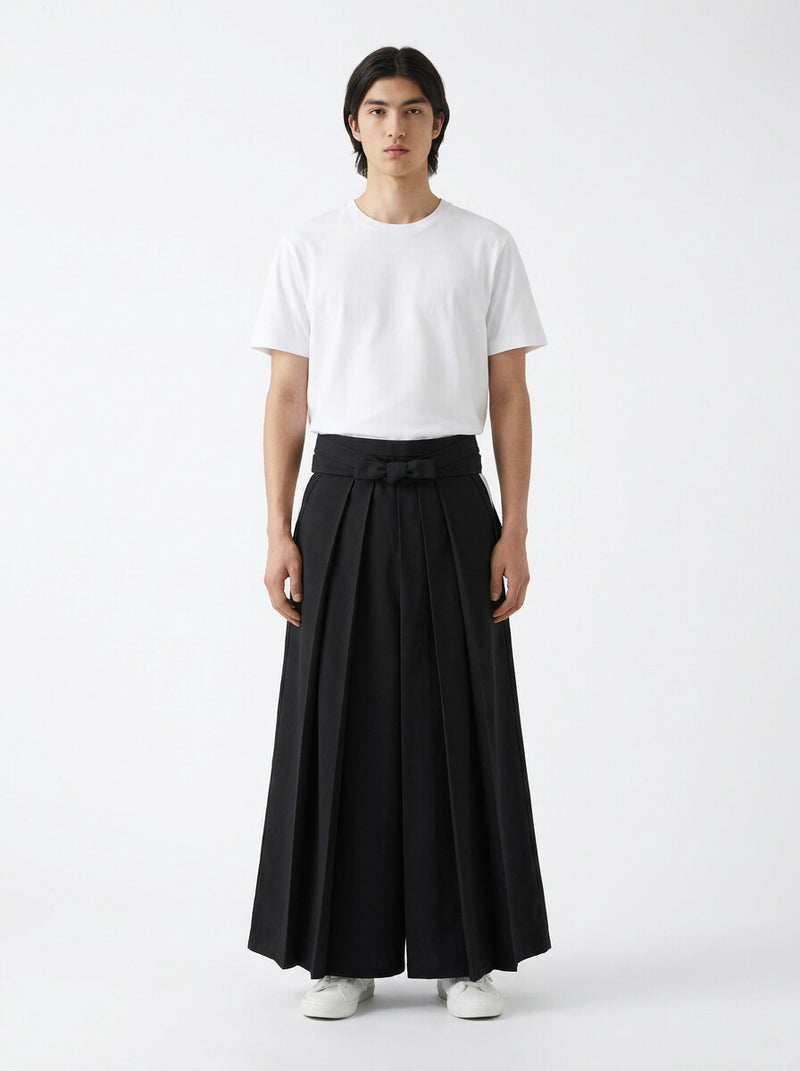
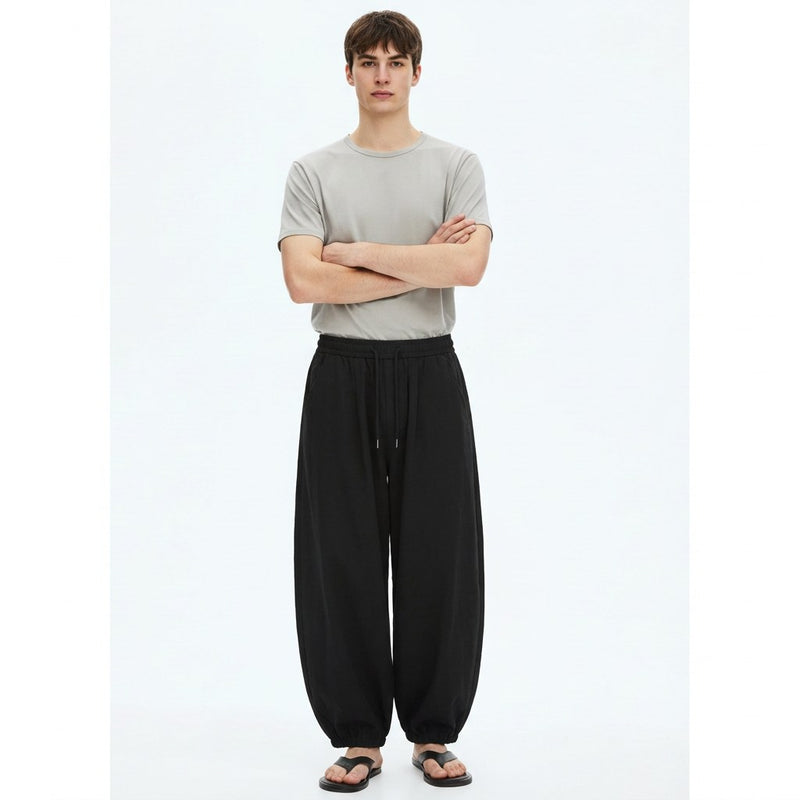
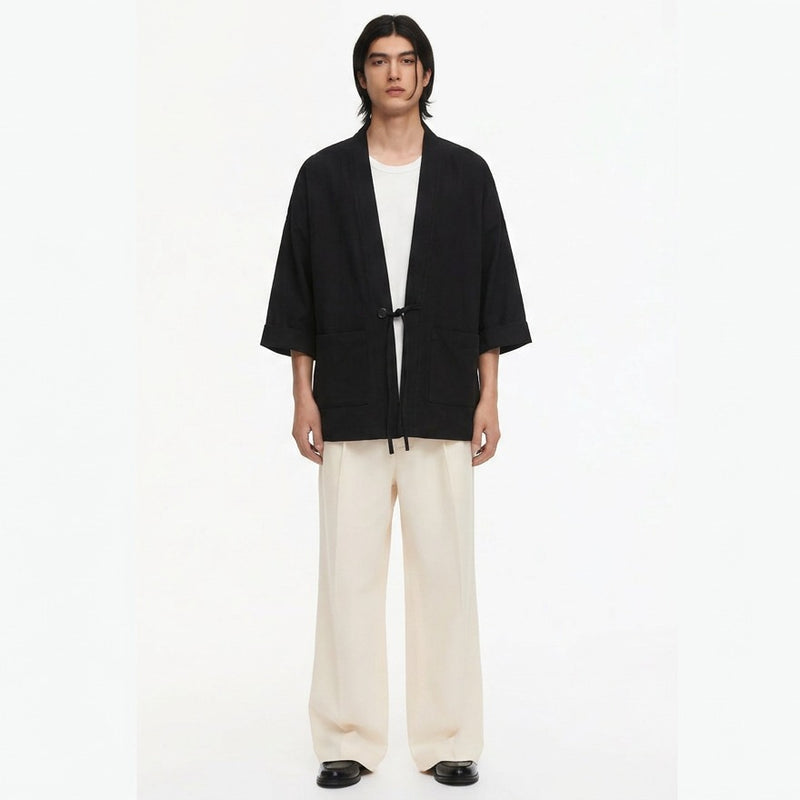
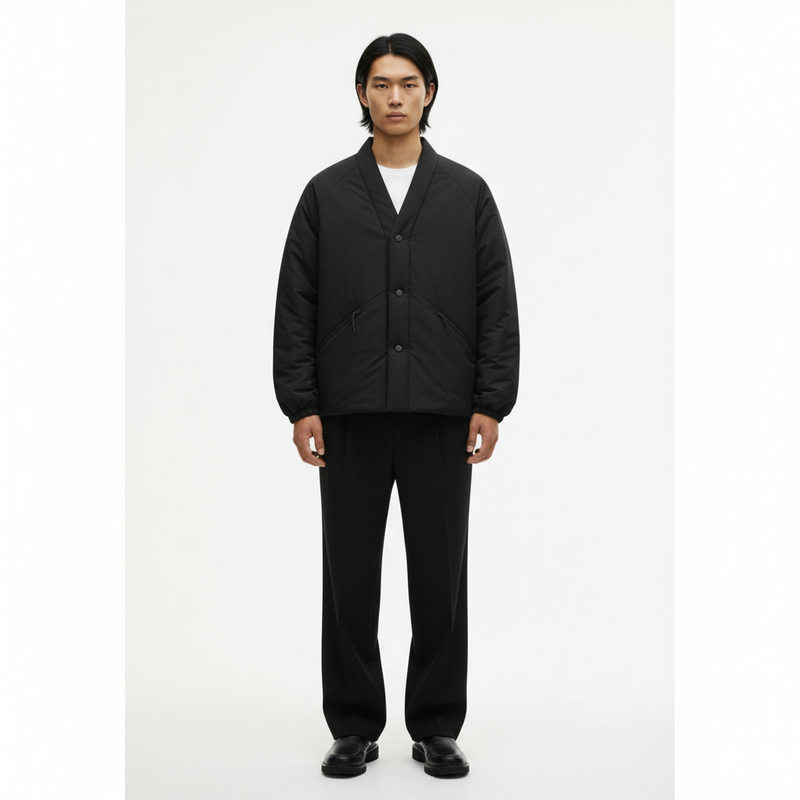
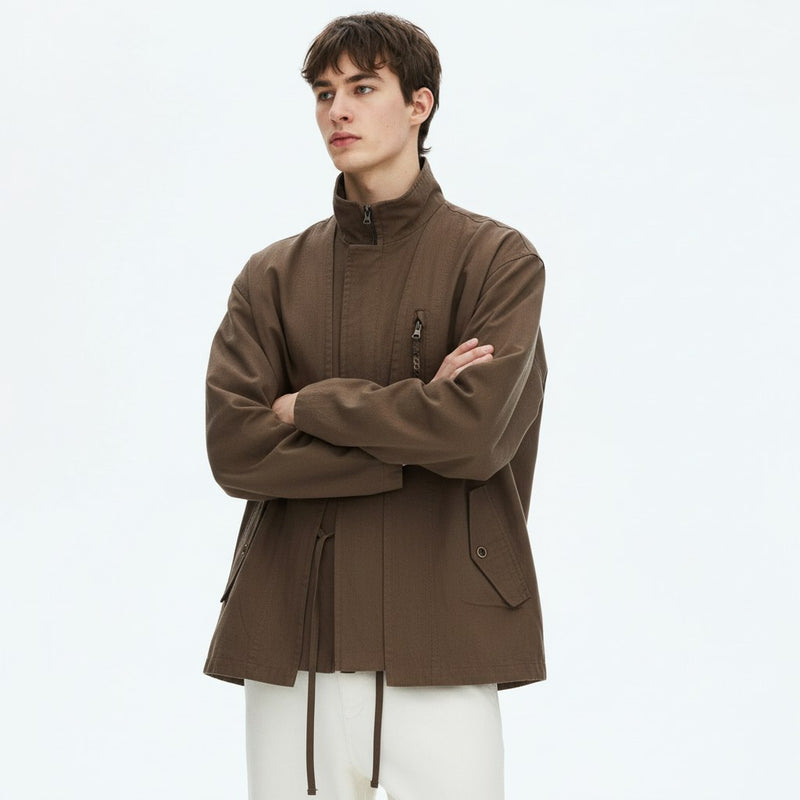
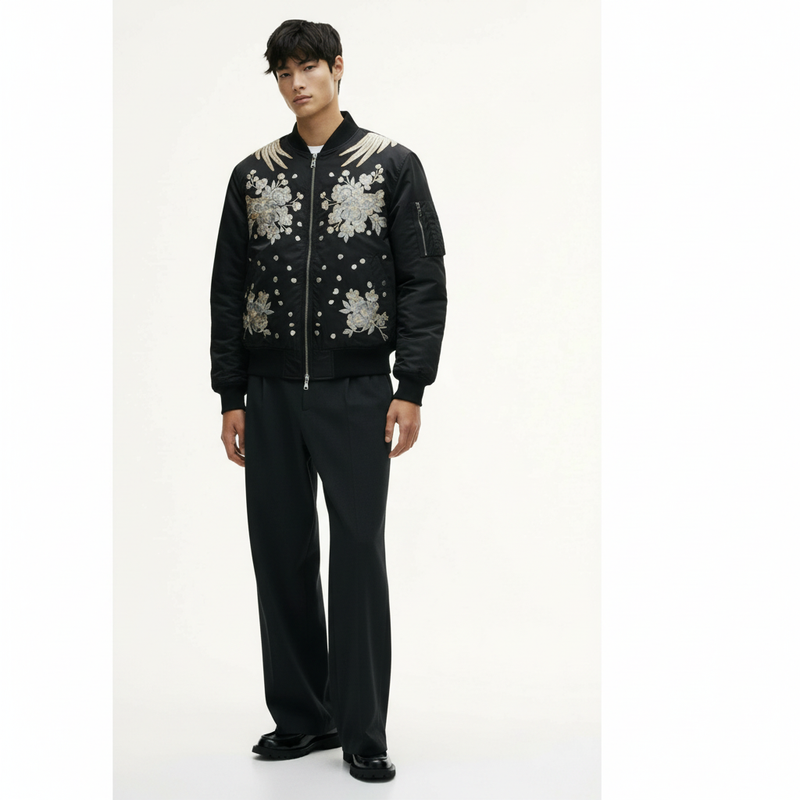

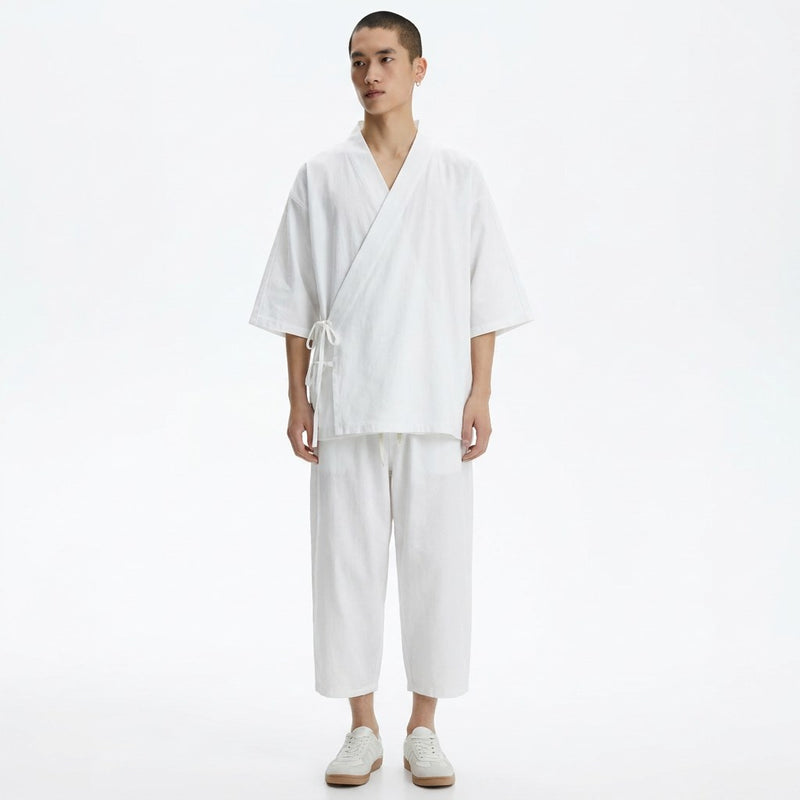



Short answer: Asian sizes usually run one to two sizes smaller than US sizes, so a Japanese or Chinese L fits most like a US M. The safest way to convert is to ignore the letter and compare the garment's measurements in centimetres with a piece you already own. That is how we relabel every item we sell, including our Japanese pants: the supplier's Asian label is replaced by the US size its body measurements match.
Why Asian sizes run small
Japan, China and Korea each size clothes to their own national body standards, and those standards are built on a shorter, slimmer average body than US sizing. The letters look the same, the bodies behind them are not. Shops that sell to the US often print the Asian letter anyway, which is why "order one size up" is the usual advice. One size up works for most tops; for trousers, check the waist and the length in centimetres, because length is where Asian cuts differ most.
Japanese men's sizes (JIS L 4004)
Japanese men's clothing follows the JIS L 4004 standard, which sizes by chest and height. LL is the Japanese name for XL, and 3L for XXL.
| Japan | Chest | Height | Closest US |
|---|---|---|---|
| S | 80-88 cm | 155-165 cm | XS |
| M | 88-96 cm | 165-175 cm | S |
| L | 96-104 cm | 175-185 cm | M |
| LL (XL) | 104-112 cm | 175-185 cm | L |
| 3L (XXL) | 112-120 cm | 175-185 cm | XL |
Japanese women's sizes (号, JIS L 4005)
Women's clothing in Japan is sized in 号 (gō), an odd number tied to the bust for a regular height of 158 cm. 9号 is the Japanese medium.
| Japan | Bust | Letter | US | UK | EU |
|---|---|---|---|---|---|
| 5号 | 74 cm (29 in) | XS | 0 | 4 | 32 |
| 7号 | 77 cm (30.5 in) | S | 2 | 6 | 34 |
| 9号 | 83 cm (32.5 in) | M | 4-6 | 8-10 | 36-38 |
| 11号 | 89 cm (35 in) | L | 8 | 12 | 40 |
| 13号 | 95 cm (37.5 in) | LL | 10 | 14 | 42 |
| 15号 | 101 cm (40 in) | 3L | 12 | 16 | 44 |
Chinese sizes (GB/T 1335)
Chinese labels carry a code such as 175/92A: the first number is the wearer's height in cm, the second the chest (or the waist, on trousers), and the letter the body shape, A being the standard build. The letter Chinese shops attach to each code is a size smaller than the US letter for the same body.
| Label code | Chinese letter | Closest US |
|---|---|---|
| 165/84A | S | XS |
| 170/88A | M | S |
| 175/92A | L | M |
| 180/96A | XL | L |
| 185/100A | XXL | XL |
Korean sizes
Korean menswear is sized by chest number in cm (95 is a medium), and womenswear by the 44, 55, 66 system.
| Korean men | Korean letter | Closest US |
|---|---|---|
| 90 | S | XS |
| 95 | M | S |
| 100 | L | M |
| 105 | XL | L |
| 110 | XXL | XL |
| Korean women | Closest US letter |
|---|---|
| 44 | XS |
| 55 | S |
| 66 | M |
| 77 | L |
| 88 | XL |
Trouser waist: cm to inches
Japanese and Chinese trousers give the waist in centimetres. Divide by 2.54 for inches. Wide traditional cuts such as hakama pants often use a tie or elastic waist instead, which our hakama size guide covers in detail.
| Waist (cm) | Waist (in) |
|---|---|
| 68 cm | 27 in |
| 71 cm | 28 in |
| 76 cm | 30 in |
| 81 cm | 32 in |
| 86 cm | 34 in |
| 91 cm | 36 in |
| 97 cm | 38 in |
| 102 cm | 40 in |
Japanese shoe sizes
Japanese shoes, sandals and tabi are labelled with the length of the foot in centimetres, not a size number. Measure your foot from heel to longest toe and read across.
| Japan (foot length) | US men | US women |
|---|---|---|
| 22.5 cm | US 5.5 | |
| 23 cm | US 6 | |
| 23.5 cm | US 6.5 | |
| 24 cm | US 7 | |
| 24.5 cm | US 7.5 | |
| 25 cm | US 7 | US 8 |
| 25.5 cm | US 7.5 | US 8.5 |
| 26 cm | US 8 | |
| 26.5 cm | US 8.5 | |
| 27 cm | US 9 | |
| 27.5 cm | US 9.5 | |
| 28 cm | US 10 | |
| 28.5 cm | US 10.5 | |
| 29 cm | US 11 |
How to convert any Asian size
- Find the size chart in centimetres, not the letter.
- Lay a shirt or trousers that fit you well flat, and measure chest (armpit to armpit, doubled), waist and length.
- Pick the Asian size whose numbers match yours. If a chart lists body measurements rather than garment measurements, add 8 to 12 cm of ease at the chest for a regular fit.
- Between two sizes, go up for tops and choose by length for trousers.
Our how we measure page explains how the garment measurements on each Amaji product page are taken, so you can compare them with your own clothes.